

Introduction
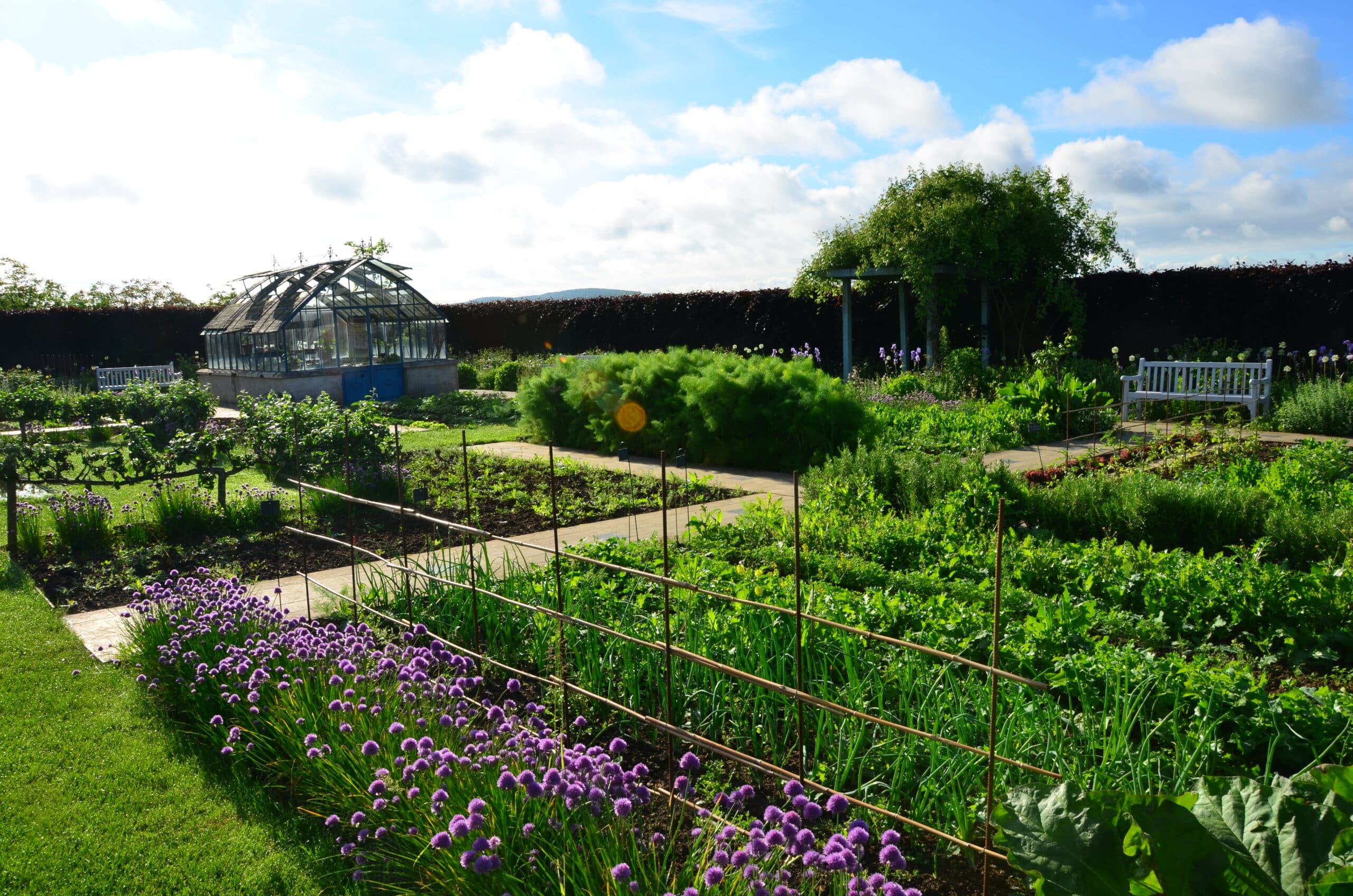
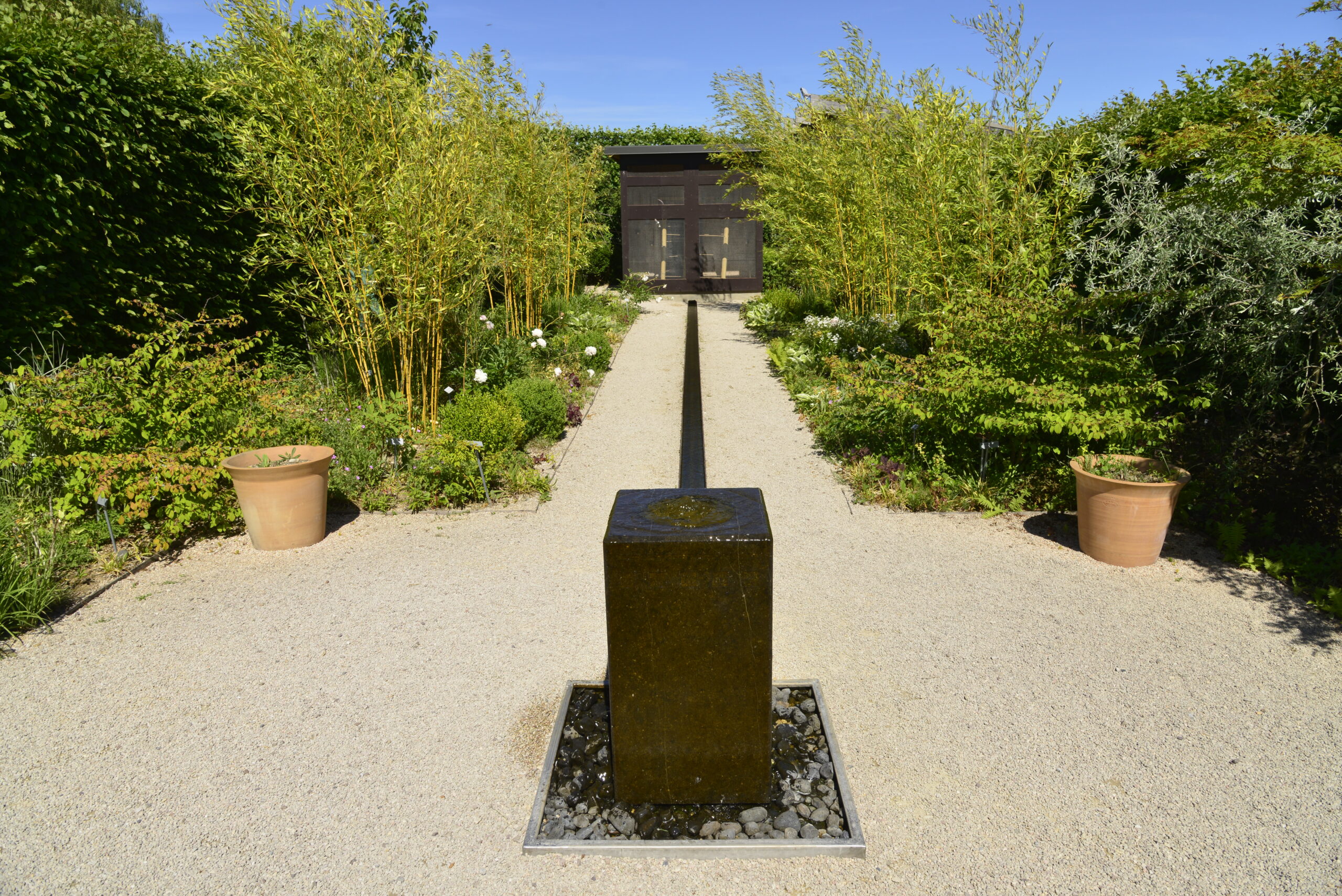
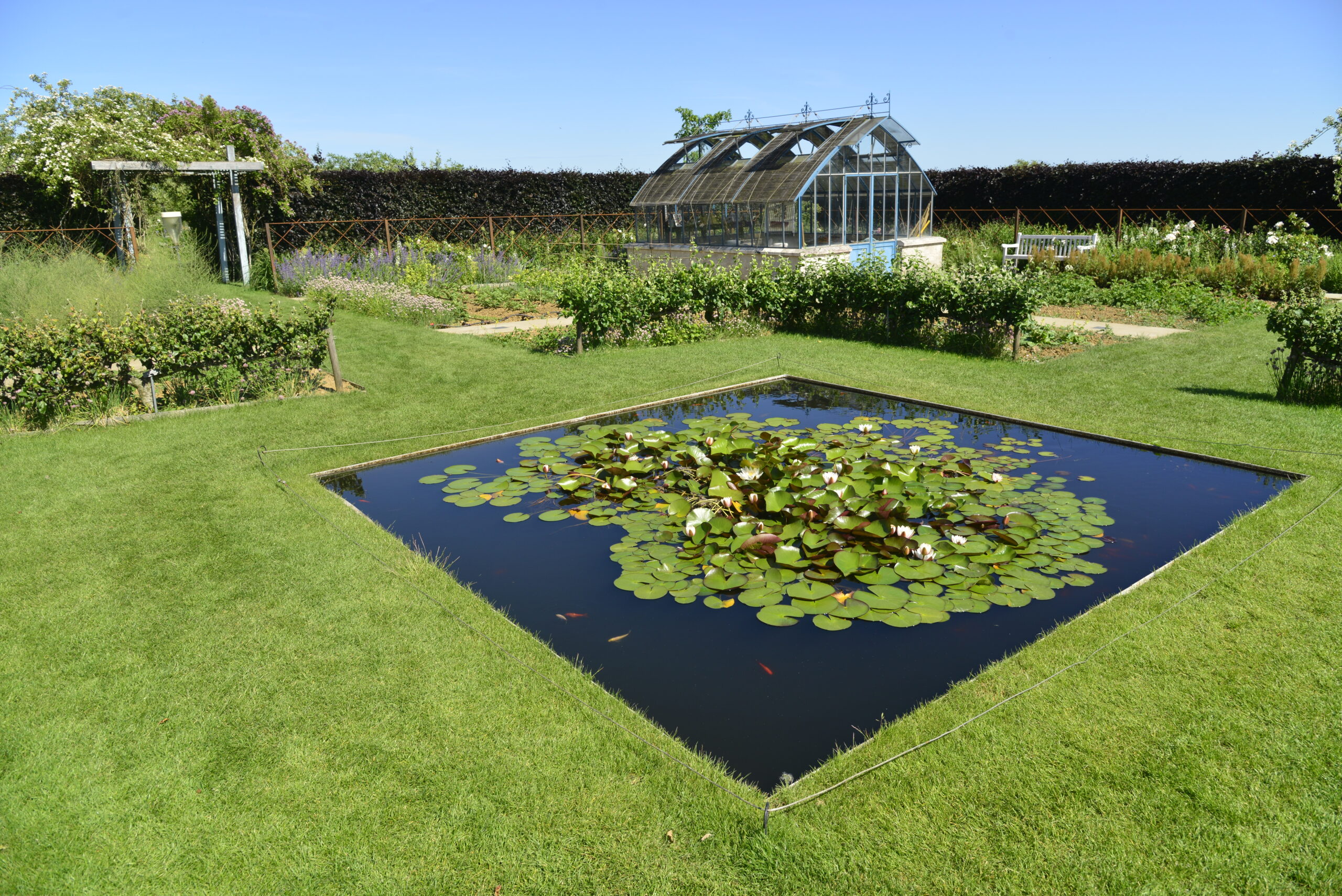
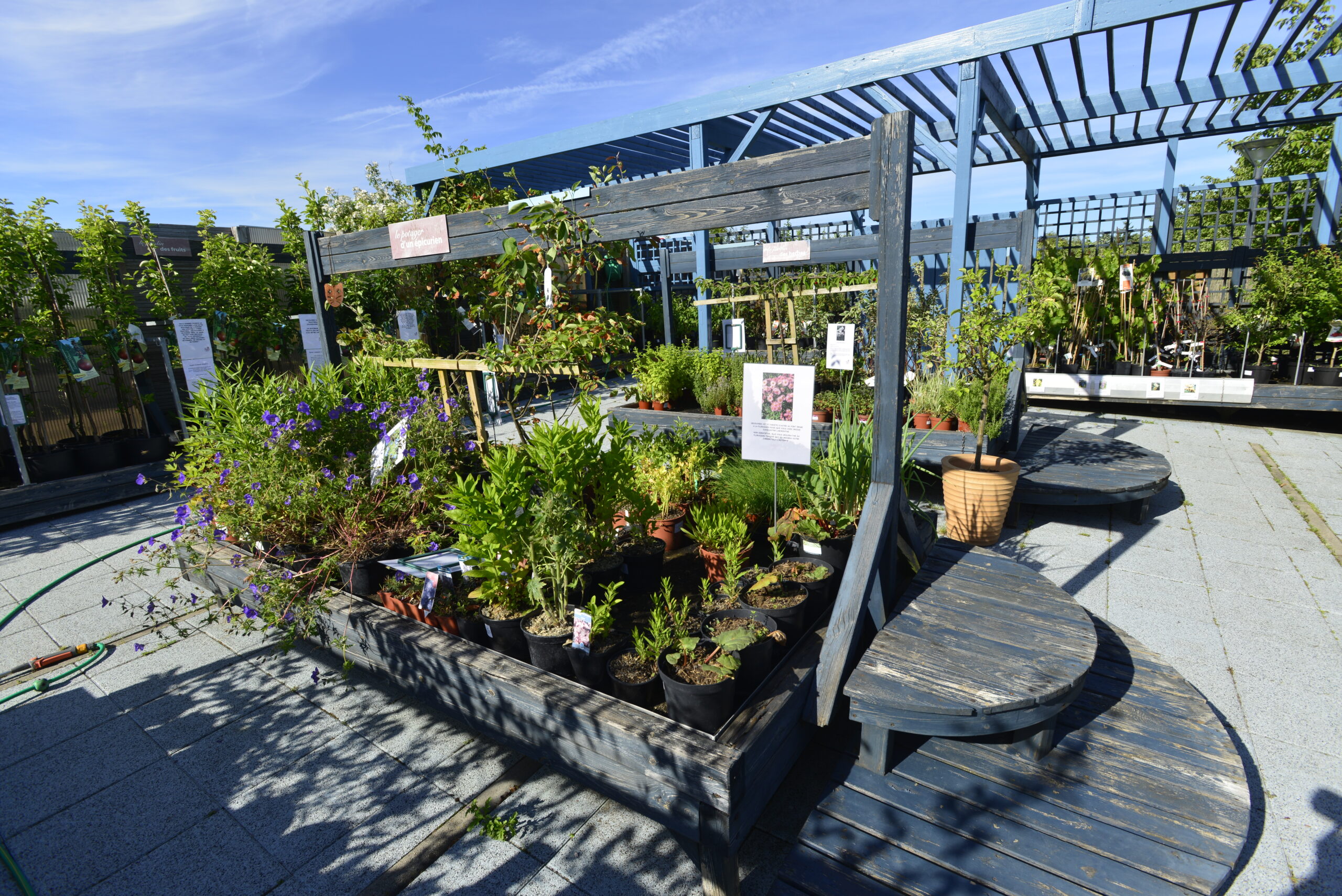
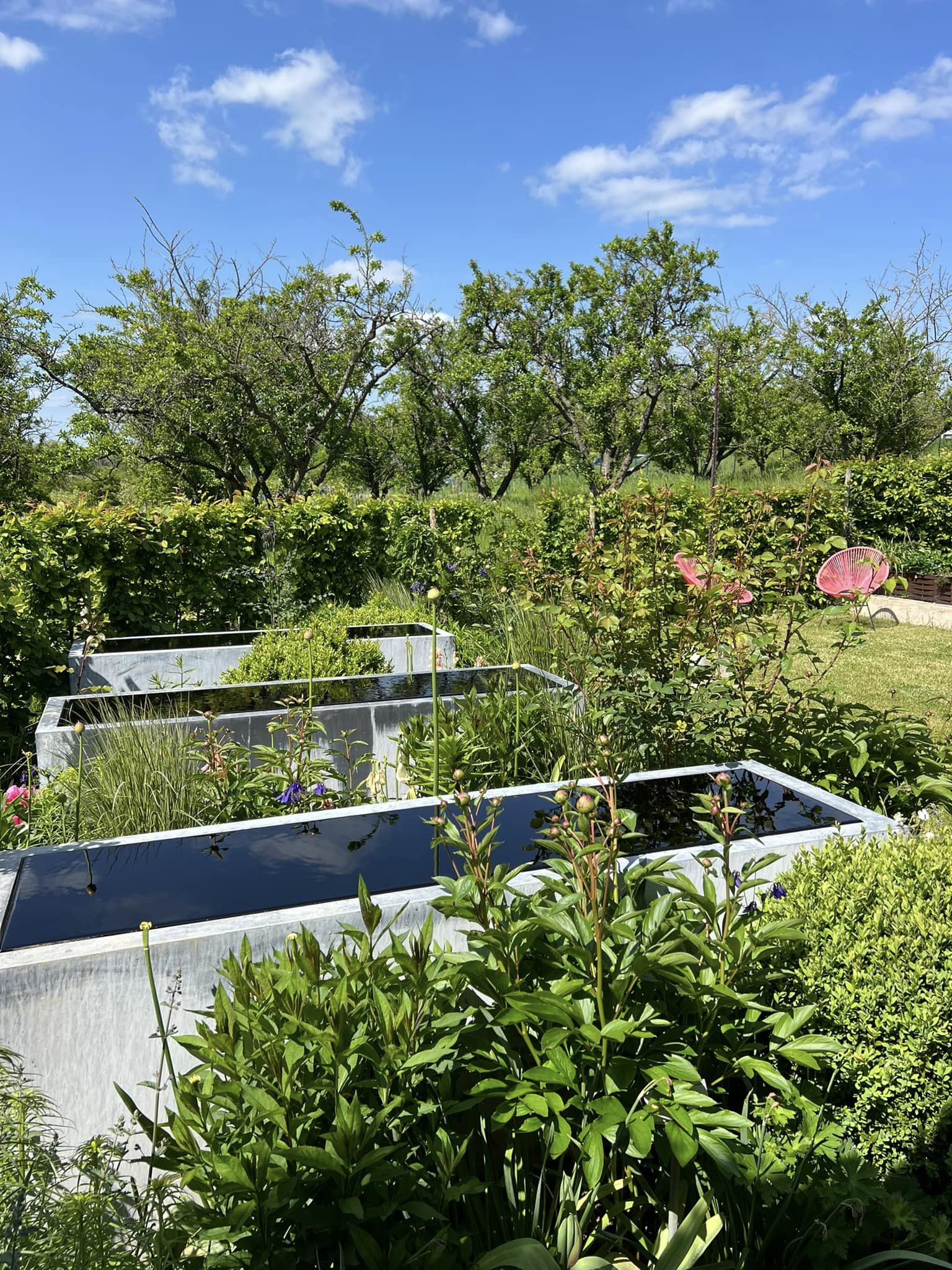
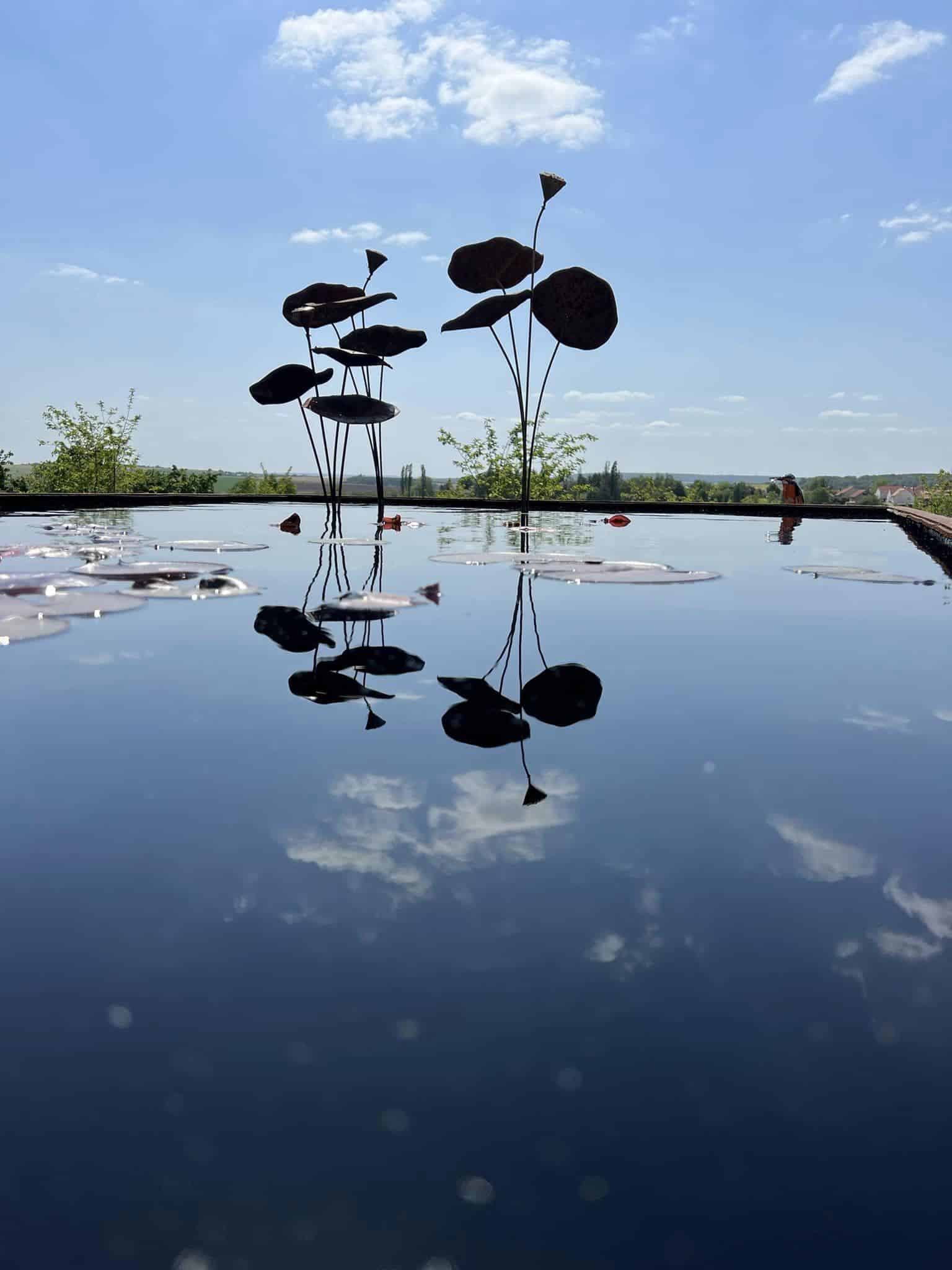
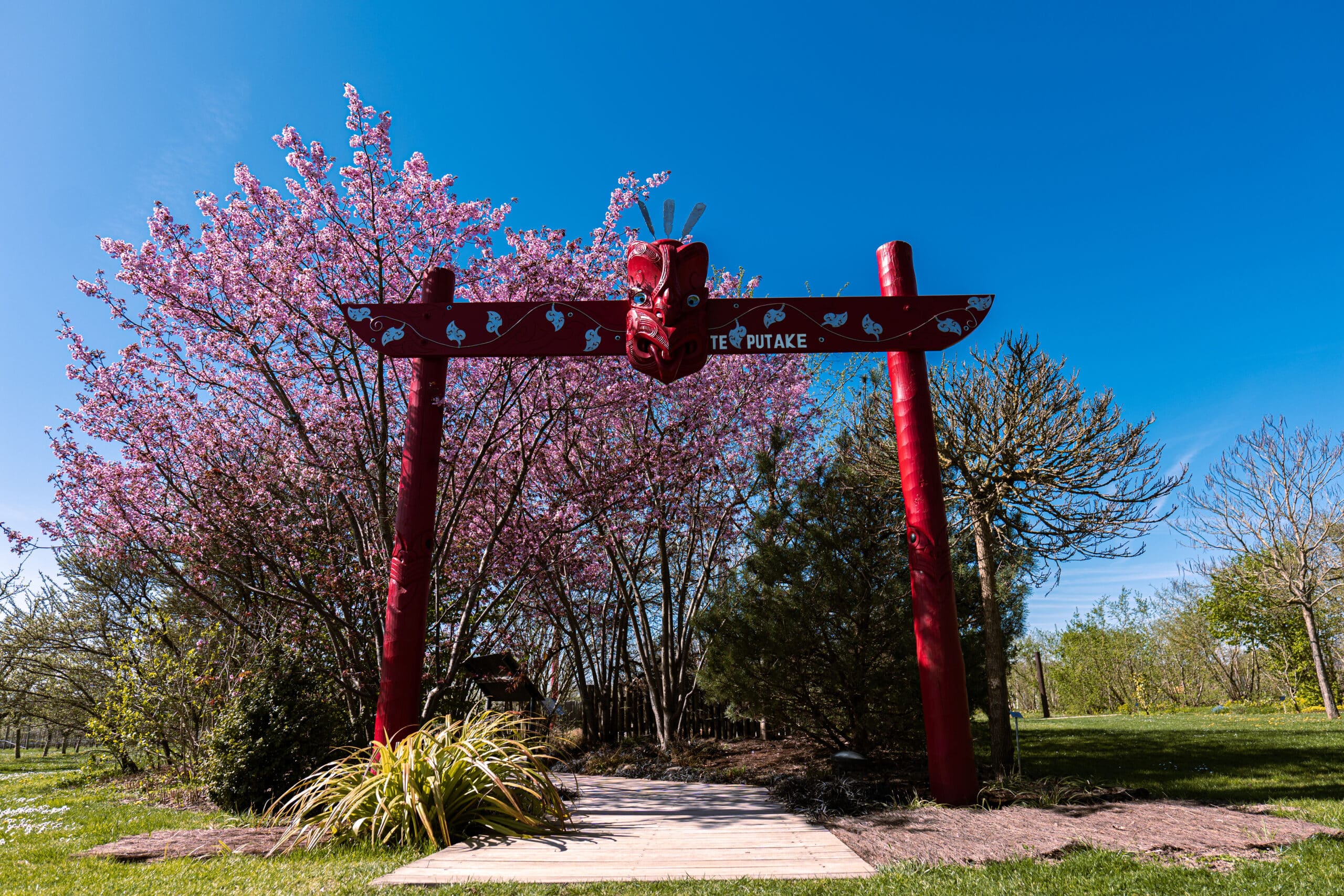
Want escape, nature, discoveries and tranquility? Just 10 minutes from Metz, the Jardins Fruitiers de Laquenexy offer a real moment of calm for everyone. Whether you are an informed amateur or simply curious, you can explore around twenty thematic gardens, nestled in the heart of a conservatory orchard. Throughout your walk, let yourself be surprised by unique places, such as the garden of chewable flowers, the labyrinth of fruit shapes, or the garden of the senses... Also discover gardens created in partnership with the First Nations of New Zealand and Canada, which take you to discover Māori and Native American cultures. A living garden, for the curious, dreamers and nature lovers.
The events
Treasure hunt "at the school of nature"
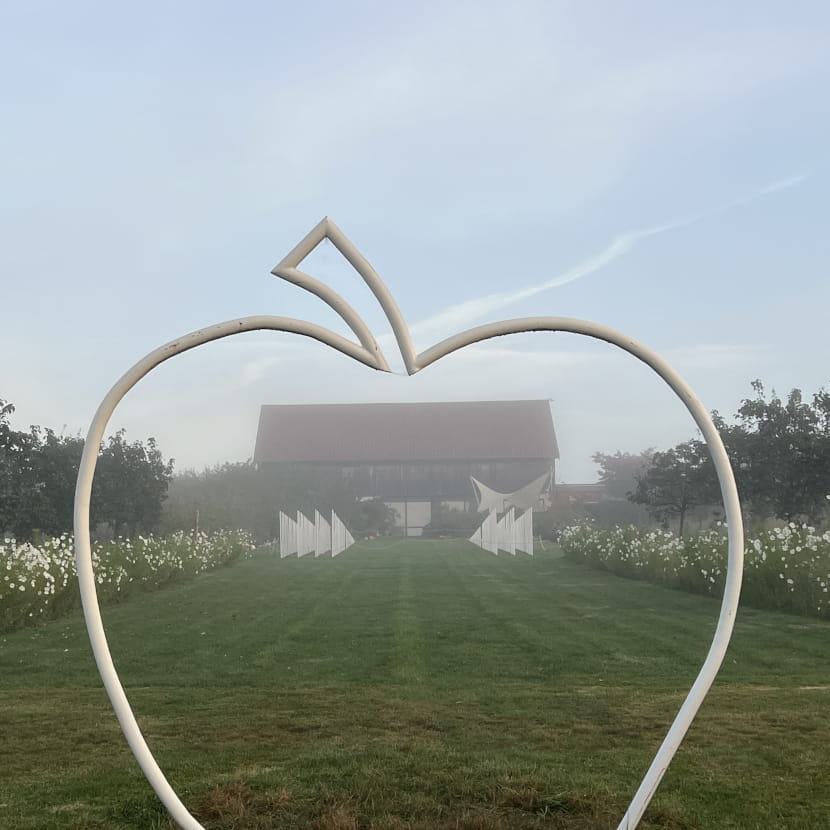
European Heritage Days
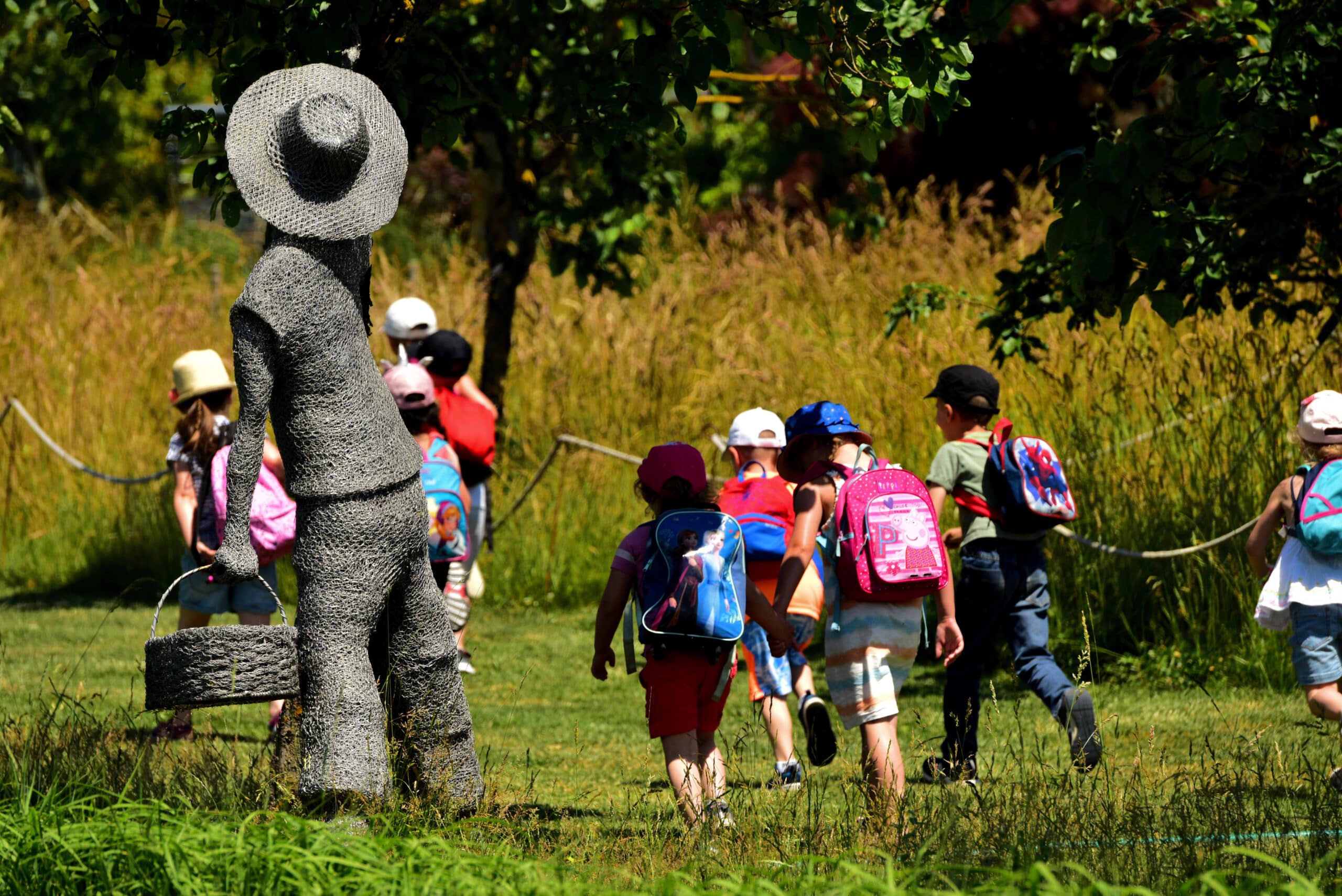
Treasure hunt "at the school of nature"
Treasure hunt "at the school of nature"
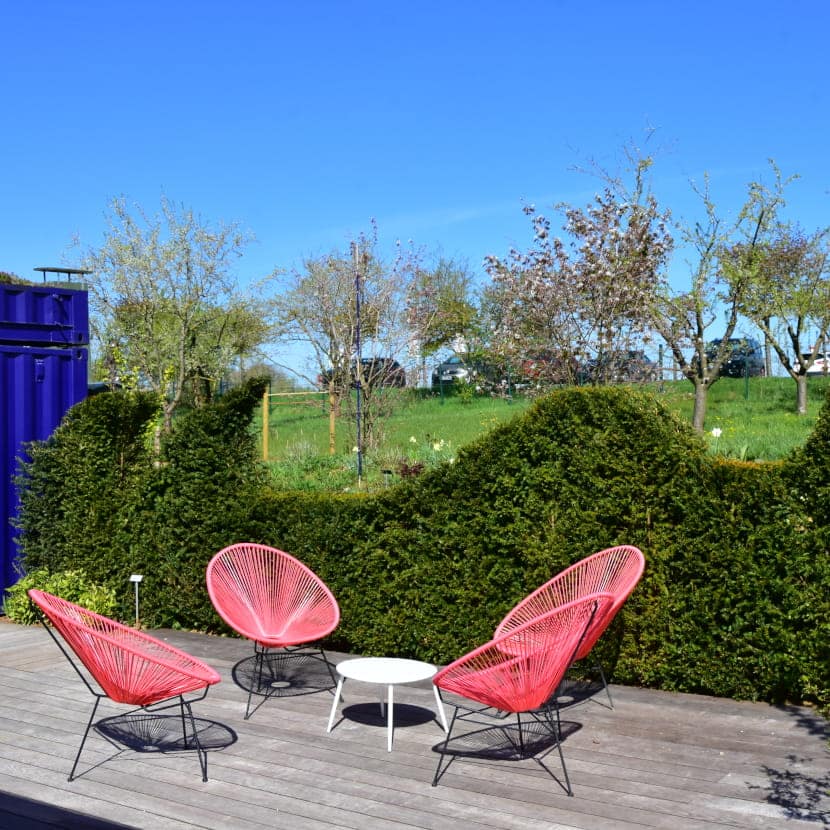
Course: A beautiful hedge all year round
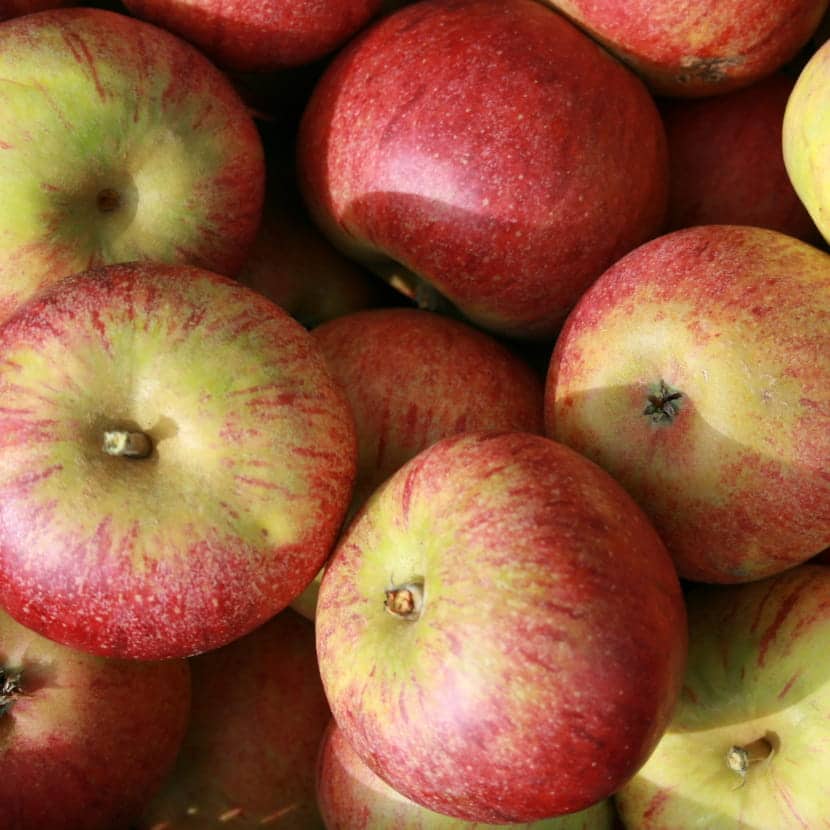
Workshop for young audiences: Chewable apples
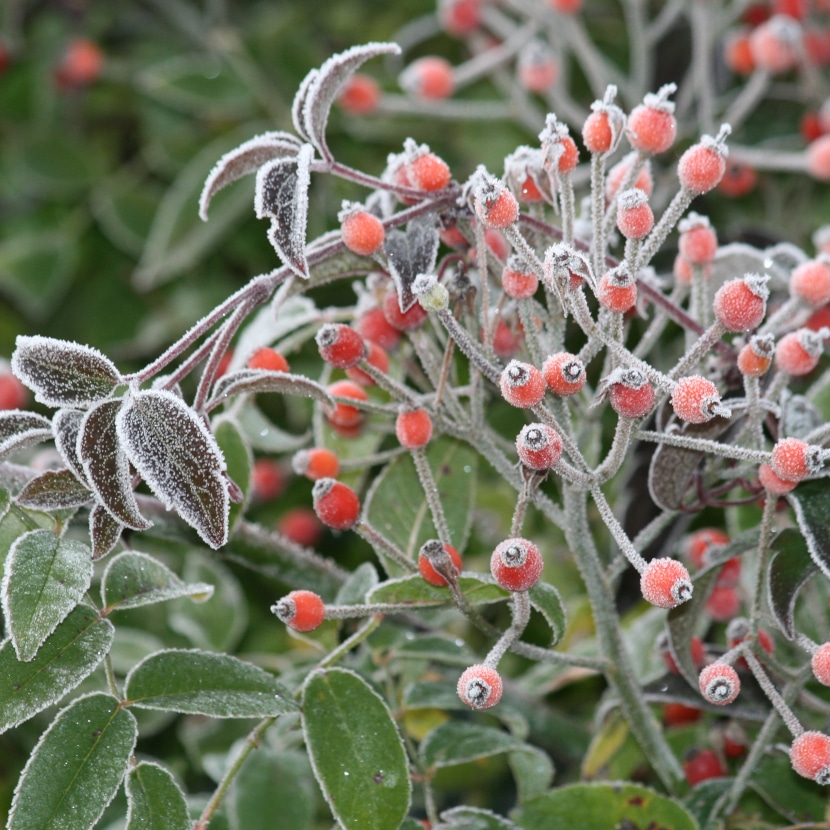
Treasure hunt "the magic of autumn"
Treasure hunt "the magic of autumn"
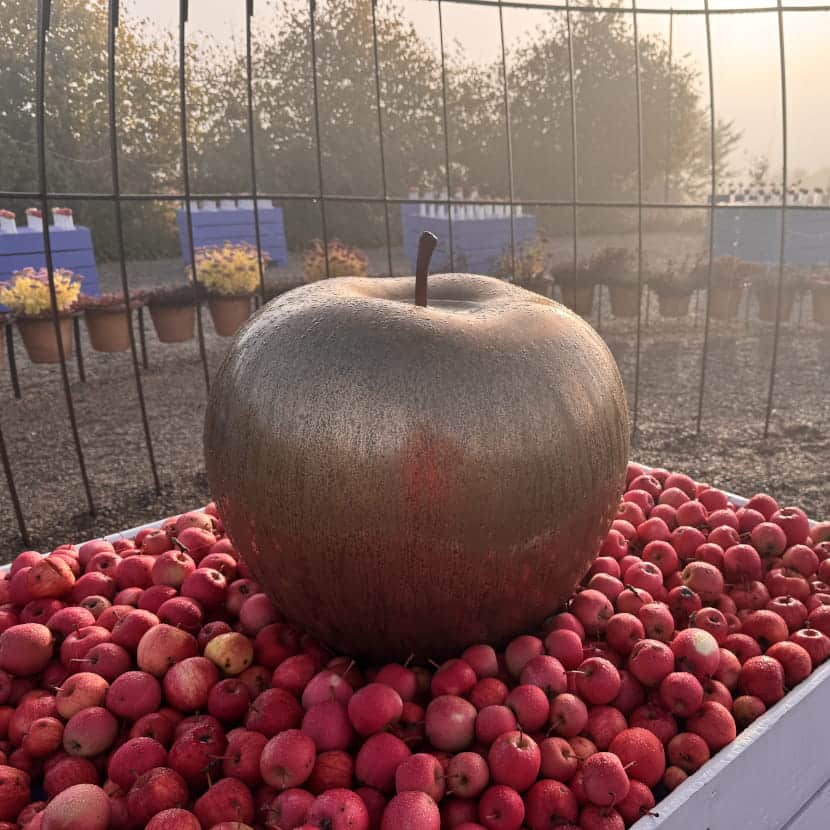
64e Fête des Jardins et des Saveurs
Did you know?
The history of gardens
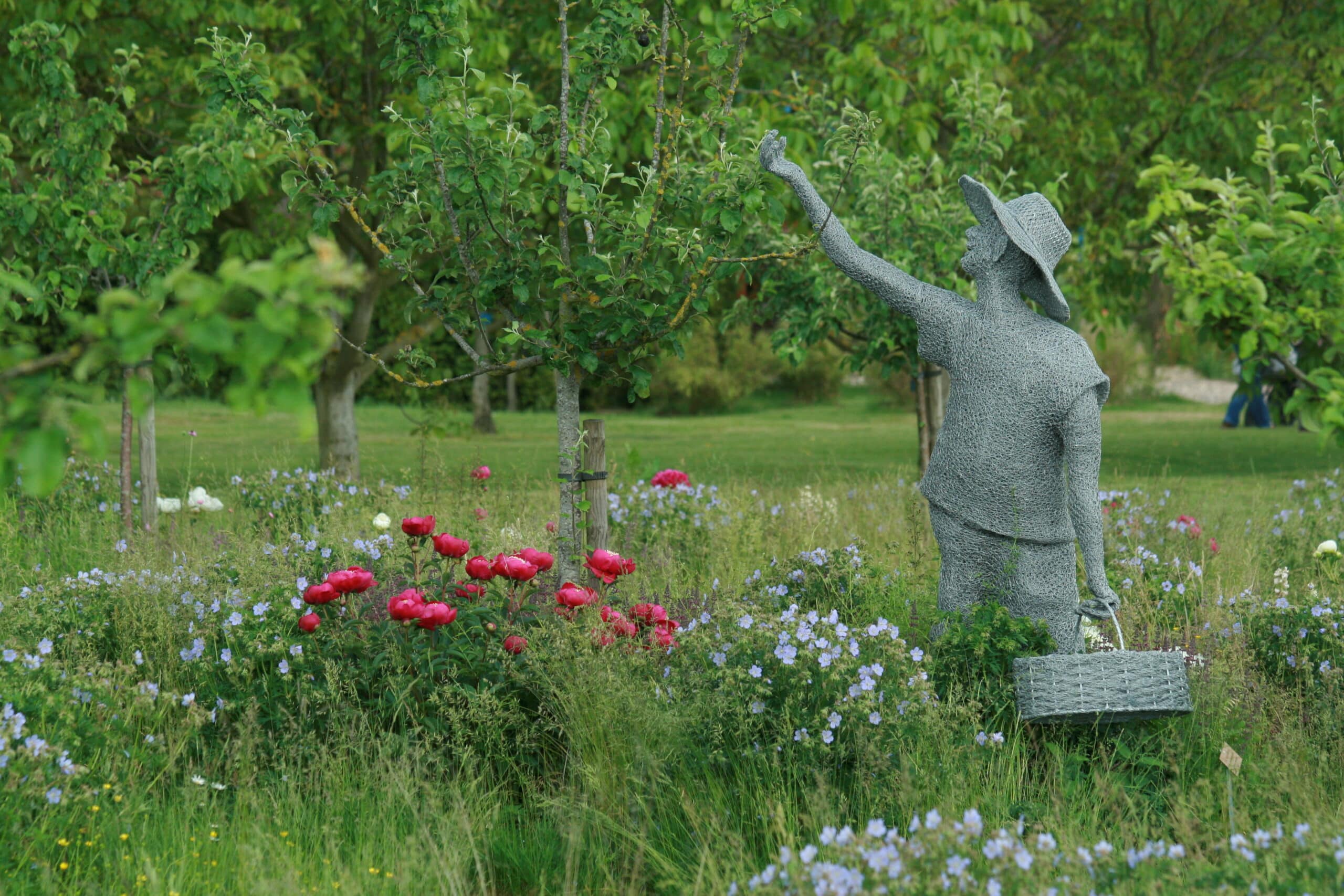
It all started in 1904 with the cultivation of vines... Phylloxera decimated the vineyard. The government of Alsace-Lorraine is setting up a wine institute for experimenting with new grape varieties, such as Auxerrois.
The Department of Moselle took over its operation in 1935.
In 1946, the station moved towards fruit growing with the creation of a behavioral orchard of 1,600 fruit trees and 500 small-fruited shrubs, then tested numerous varieties there. In 2004, the Department of Moselle decided to give new impetus to the site by creating a garden open to the public.
Chinese peonies
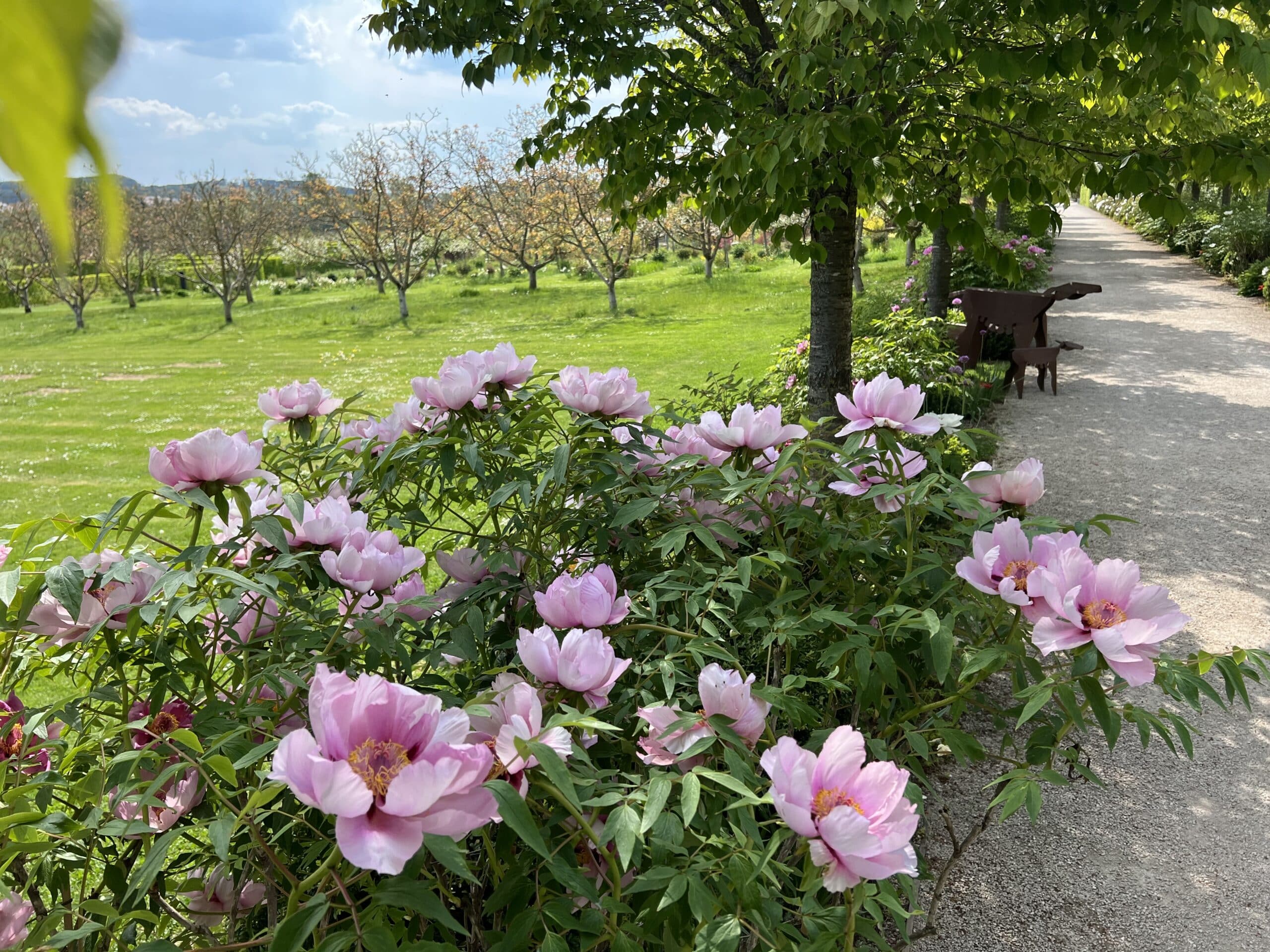
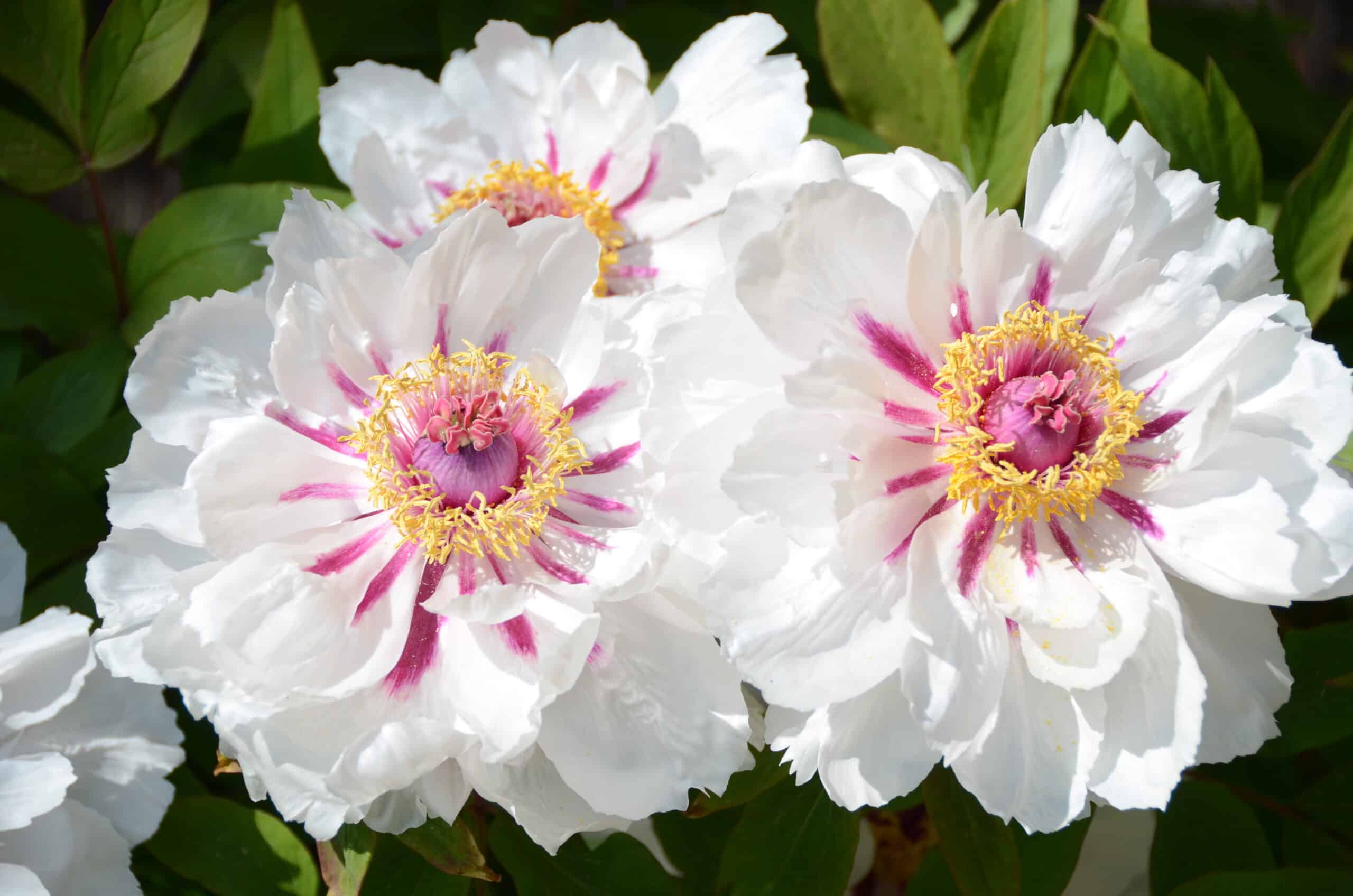
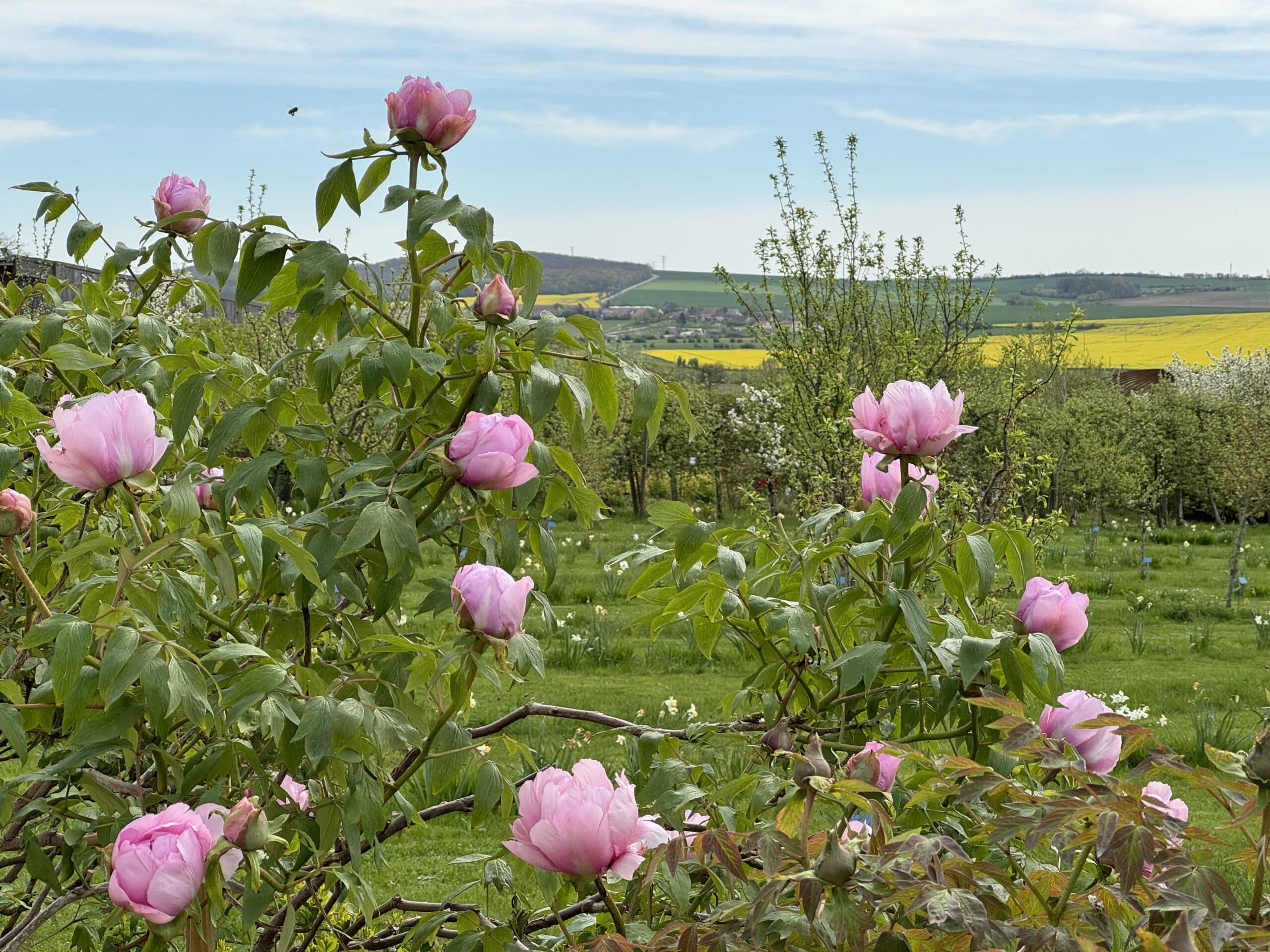
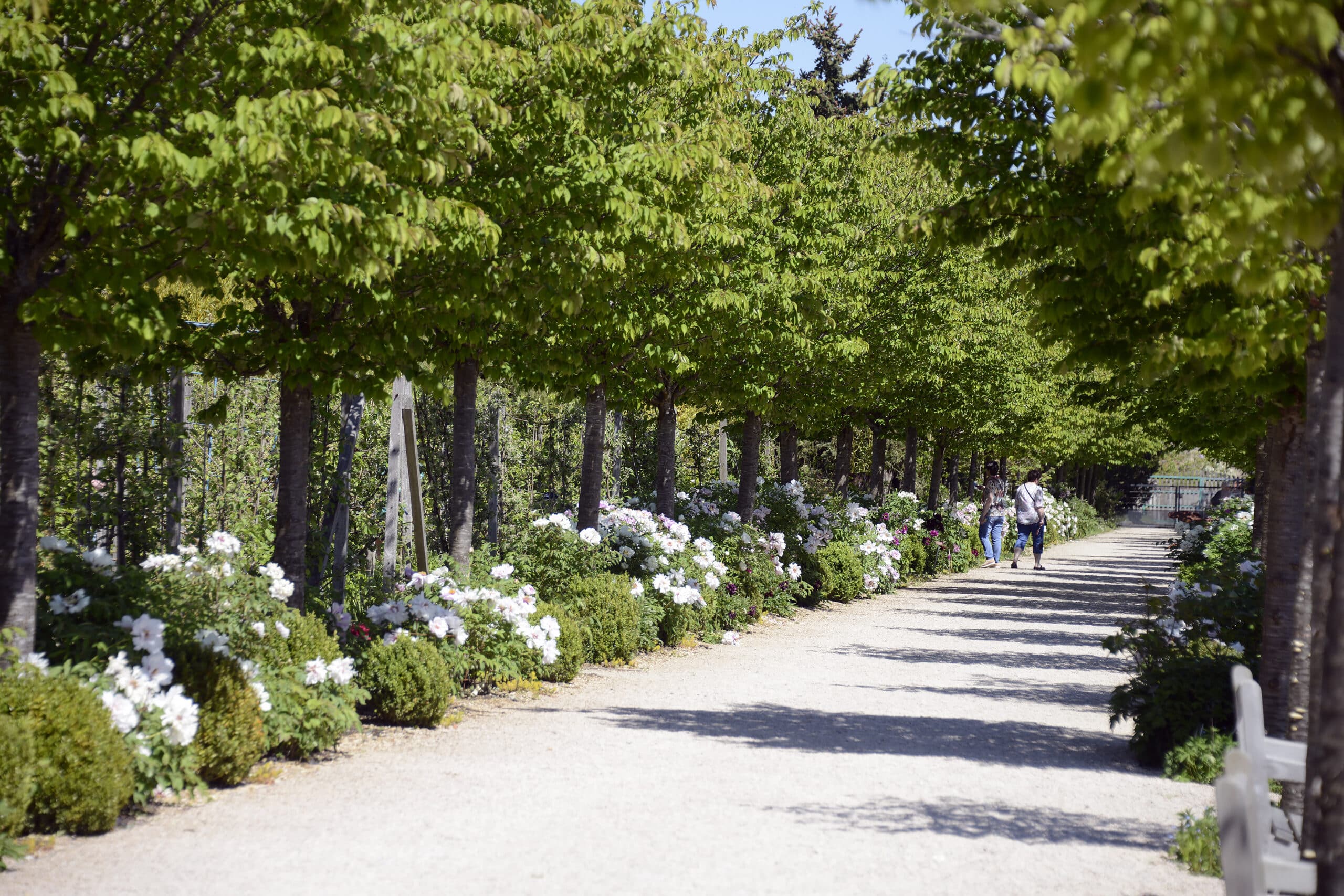
In 2014, the Department of Moselle joined forces with national events celebrating the 50th anniversary of France-China diplomatic relations by creating the Chinese peony avenue in the heart of the Laquenexy Fruit Gardens. For the Chinese, the peony is the queen of flowers, they have worshiped it for over 3,000 years. In the 19th century, the shrub peony was one of the most popular plants among Western gardeners, notably thanks to Victor Lemoine, a famous Lorraine horticulturist born in Delme, in Moselle.
A label of exemplarity
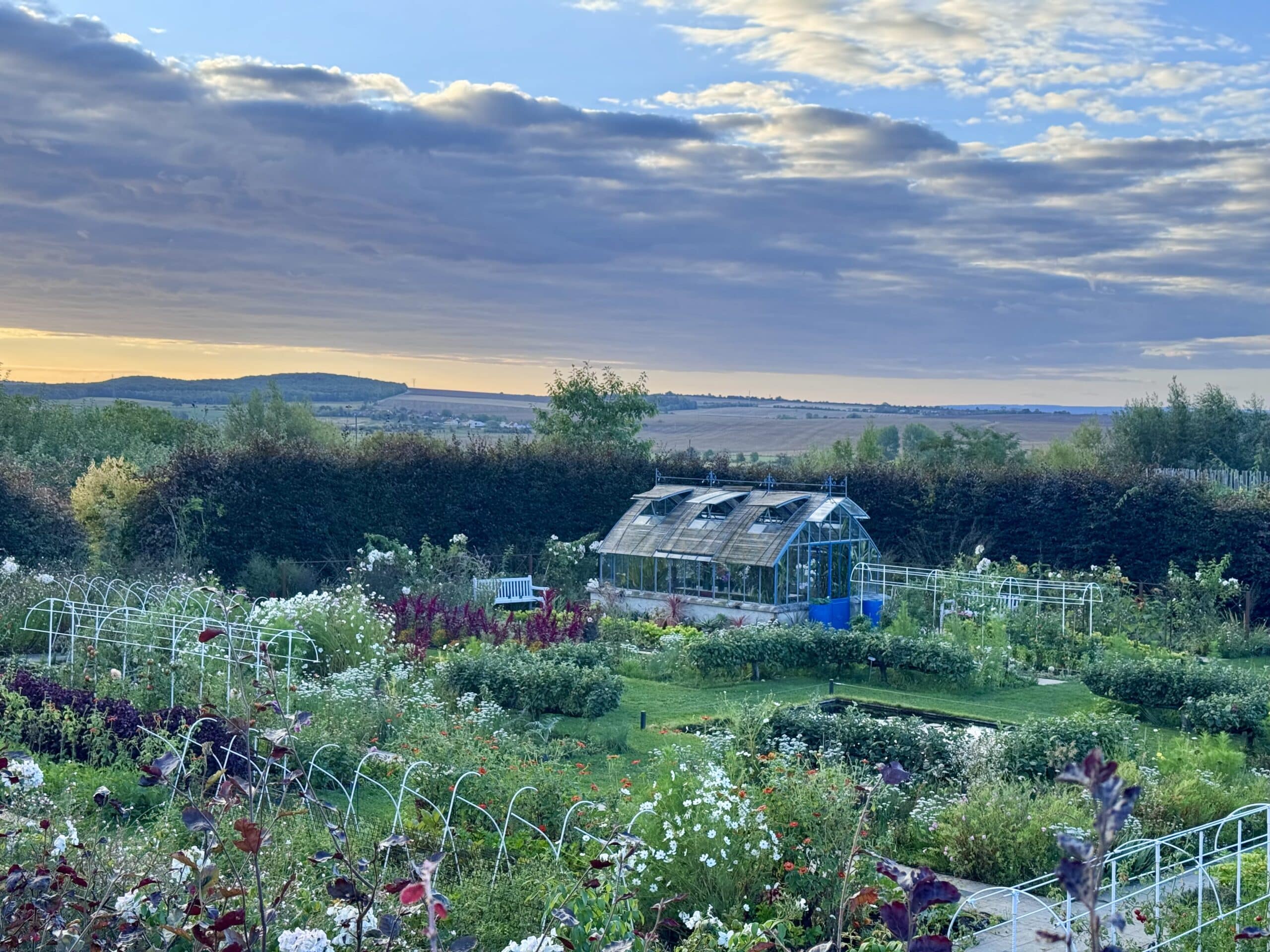
The Jardins Fruitiers site is the first orchard in the Grand Est to have received the "Eco-responsible Orchards" label, which rewards the evolution of practices in the field of fruit growing. This label is based on a charter made up of the following six commitments:
- Promote biodiversity in orchards
- Favor biological control methods
- Reason interventions
- Harvest apples by hand at optimal maturity
- Guarantee traceability from the orchard to the point of sale
- Monitor compliance with these good practices
Orchards
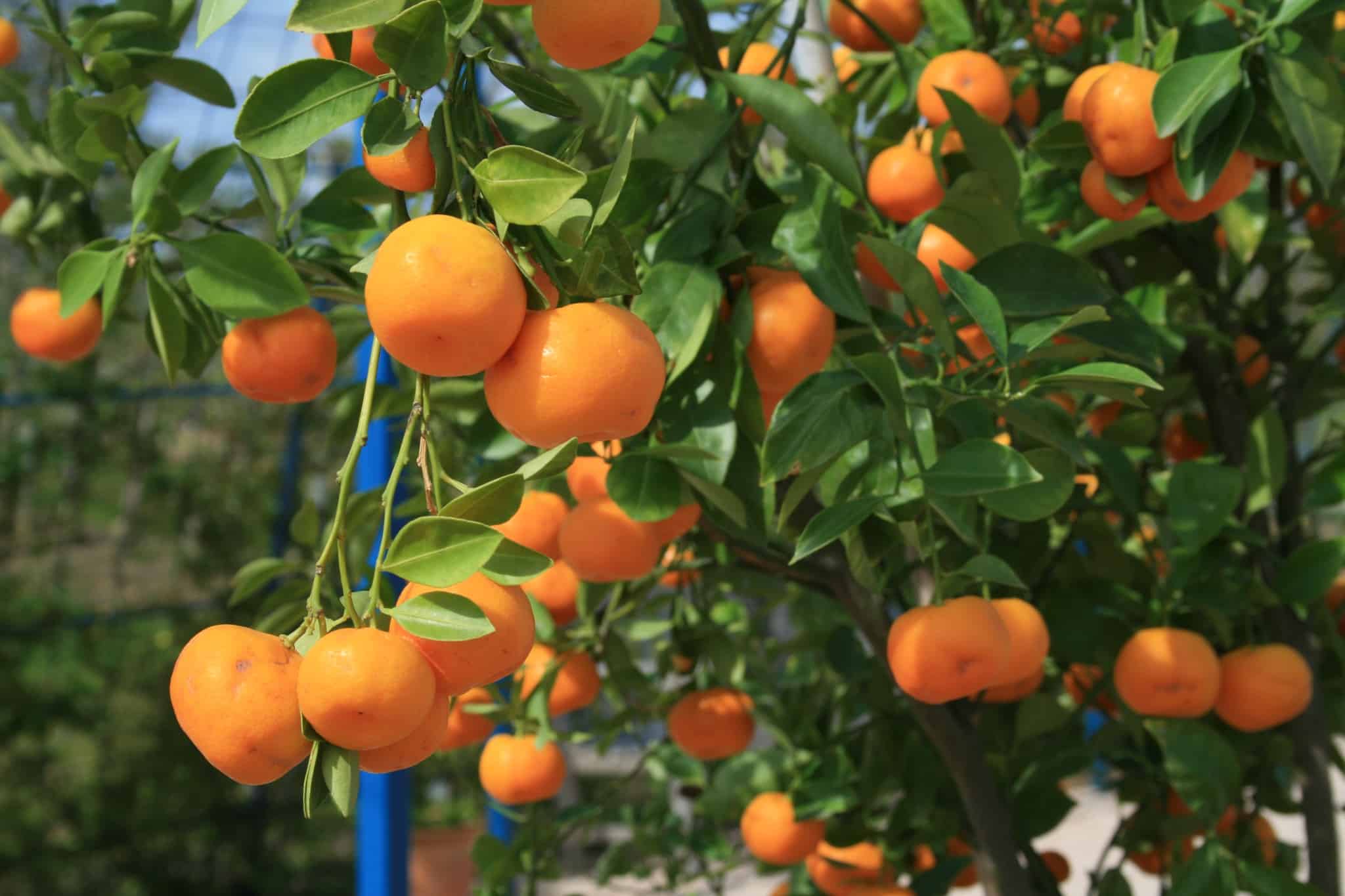
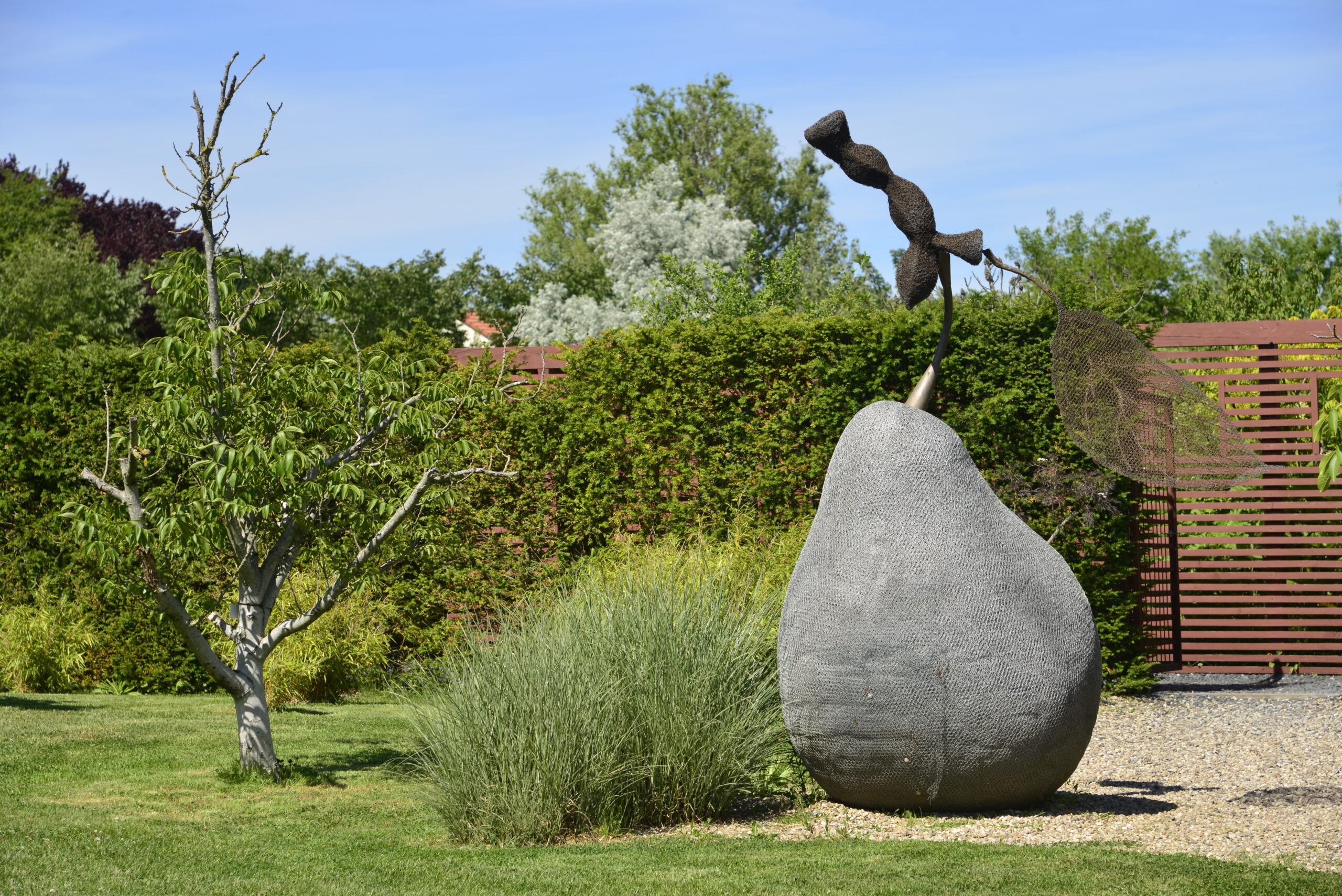
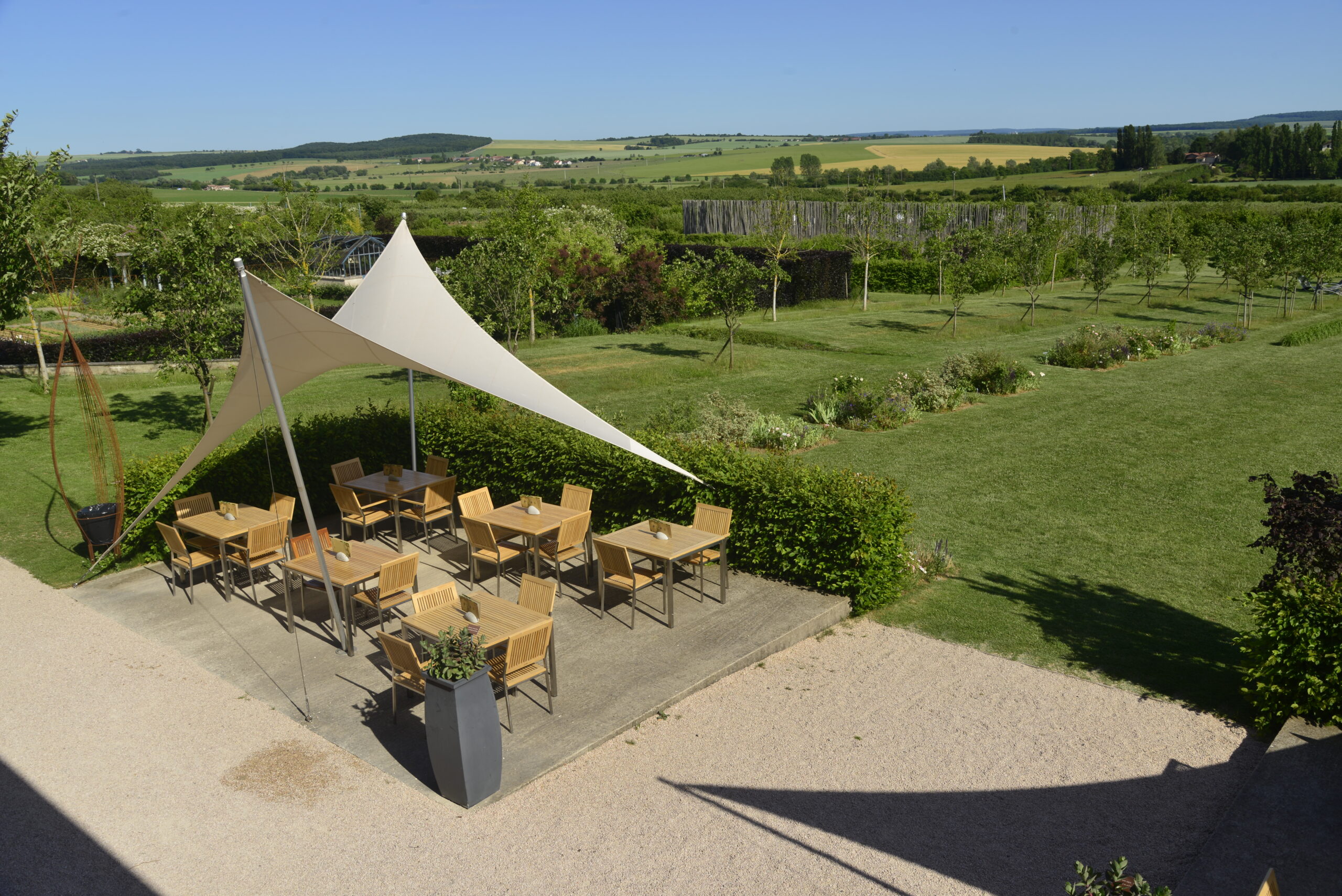
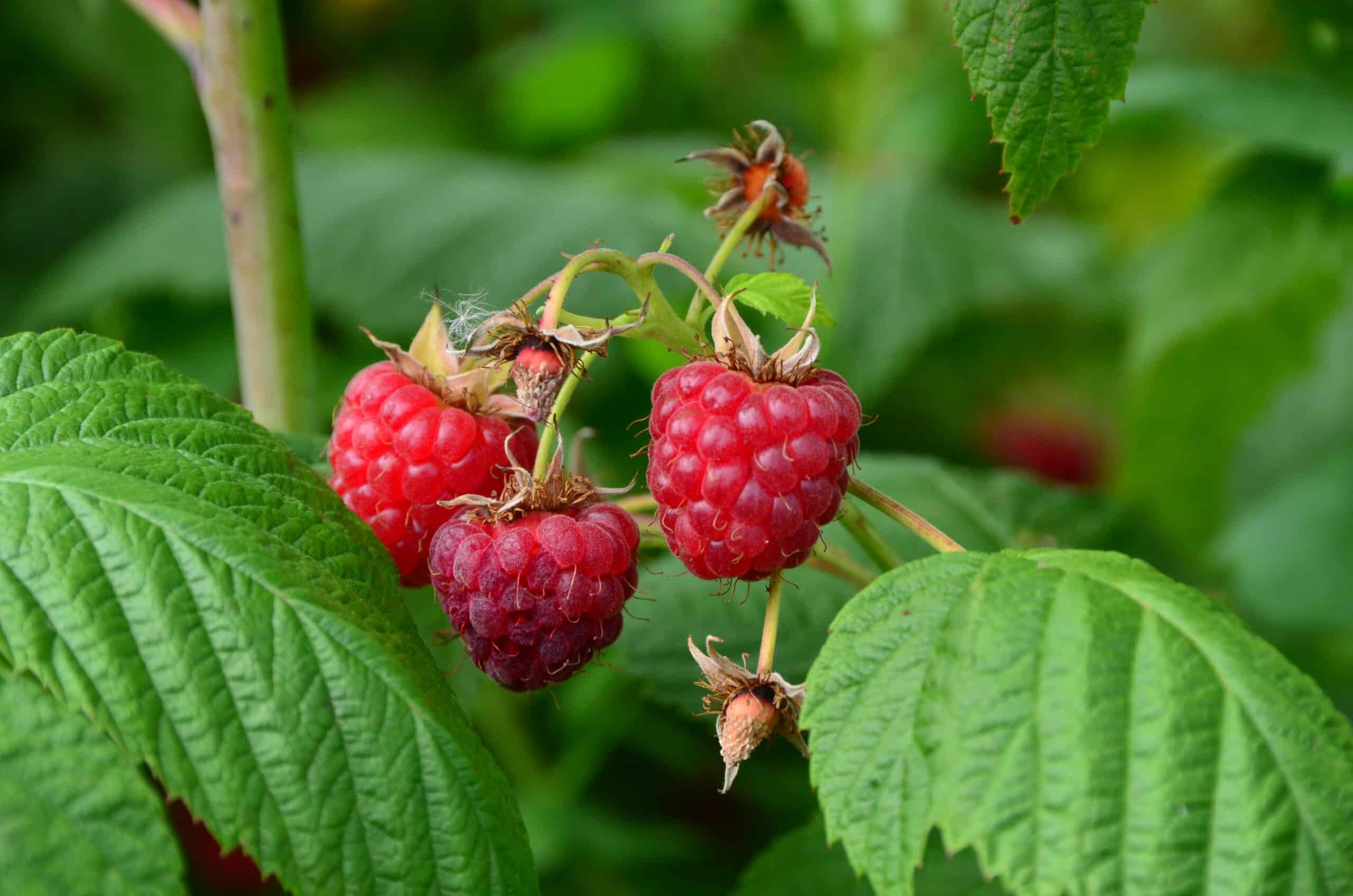
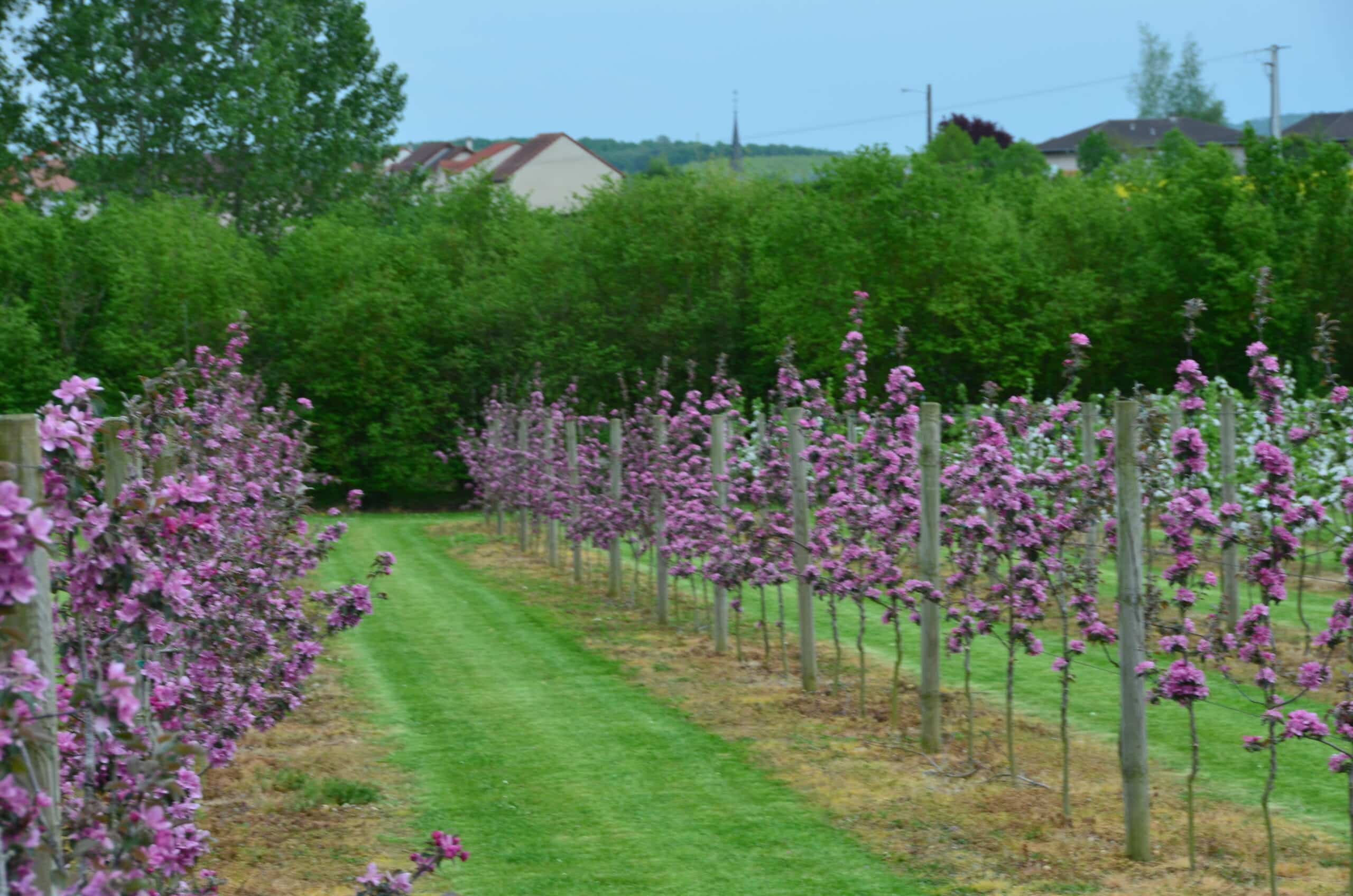
The fruit estate occupies an area of more than 15 hectares. The dominant crop is the apple tree. Pear, cherry, plum, mirabelle plum, walnuts and hazelnuts make up the rest of the orchard. More than 1,600 different varieties are kept here. The site has preserved varieties integrated by the Germans under the Occupation, but also local varieties, which are not listed. The most important action of the center is to establish an inventory of these different varieties of fruits and preserve them.
Marked apples
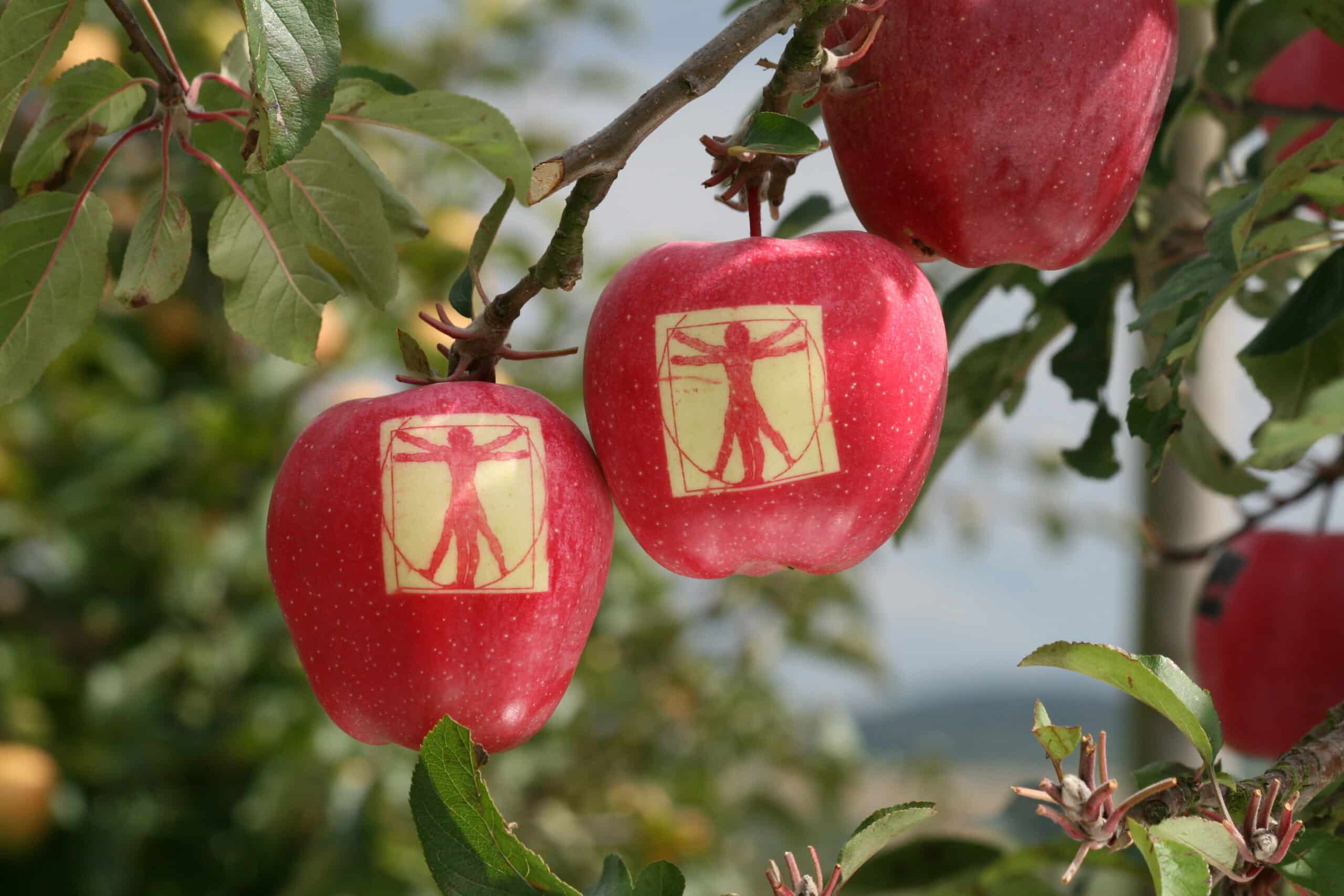
Les Jardins Fruitiers is one of three sites in the world to master the marked apple technique. This process, developed in the Paris region at the end of the 18th century, was popularized during the 1900 Universal Exhibition in Paris, then fell into oblivion.
Les Jardins Fruitiers have mastered this technique since 2007. In 2009 during COP10 in Japan, then in 2015 during COP21 in Paris, apples marked with Fruit Gardens were offered to heads of delegation in order to raise their awareness of climate emergencies.
In pictures

Full price €7
Reduced price 5€
Free – 12 years old and people with reduced mobility and their accompanying person.
IMPORTANT: we remind you that pets are not allowed on the site (even on a leash) and that picnics are also prohibited
From April 1 to November 1
Wednesday to Friday: 10 a.m. to 6 p.m
Saturday and Sunday: 10 a.m. to 7 p.m
(Closed Mondays except Easter Monday, Tuesdays and May 1)
REMINDER: last entry 1 hour before closing