Introduction
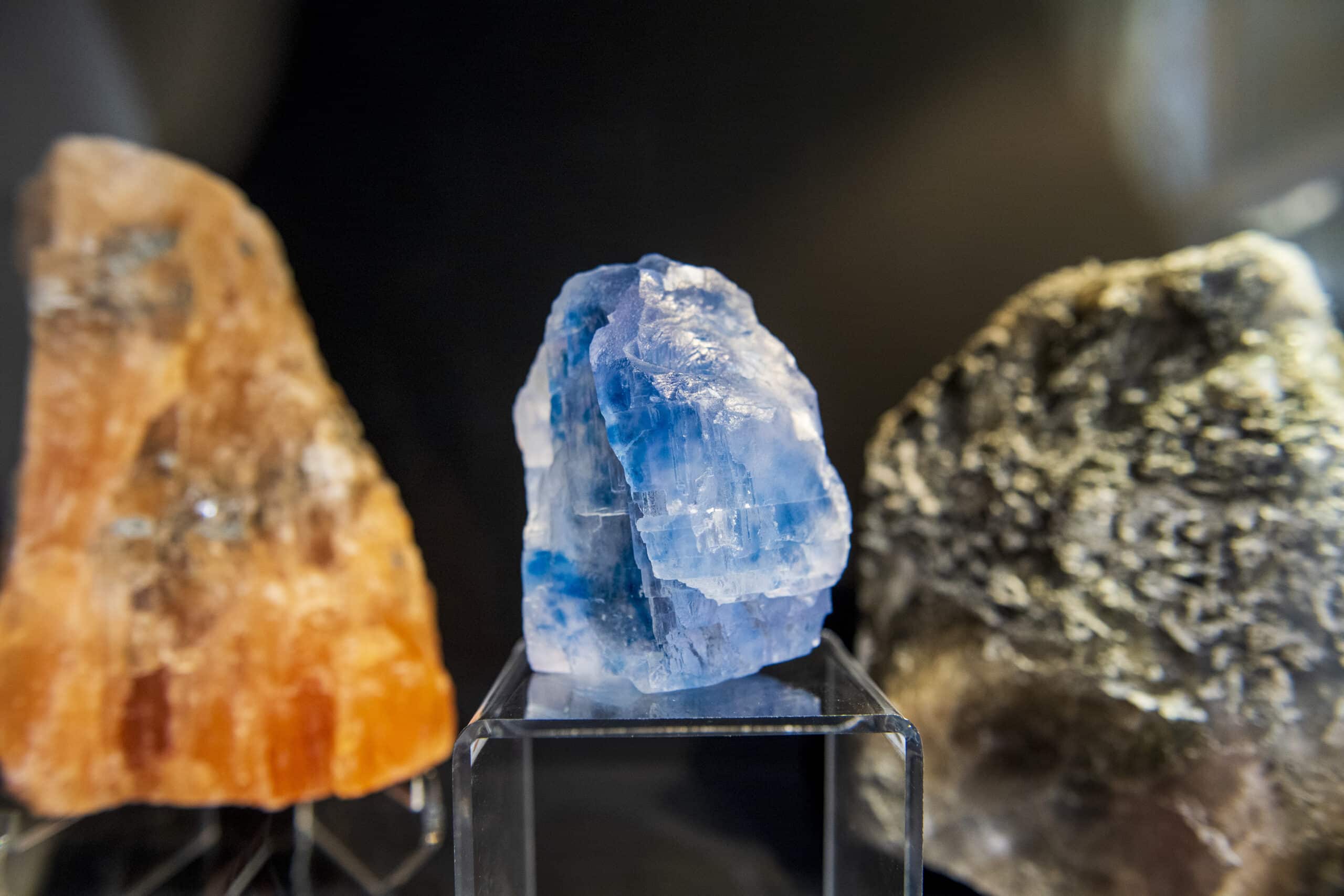
This unique museum, installed in a Vauban fortification, tells you the history of salt, from its extraction to its vital role in the societies of yesteryear, including its many uses, from the conservation of food to its importance as currency||An astonishing museum, where past, nature and culture crystallize.
The events
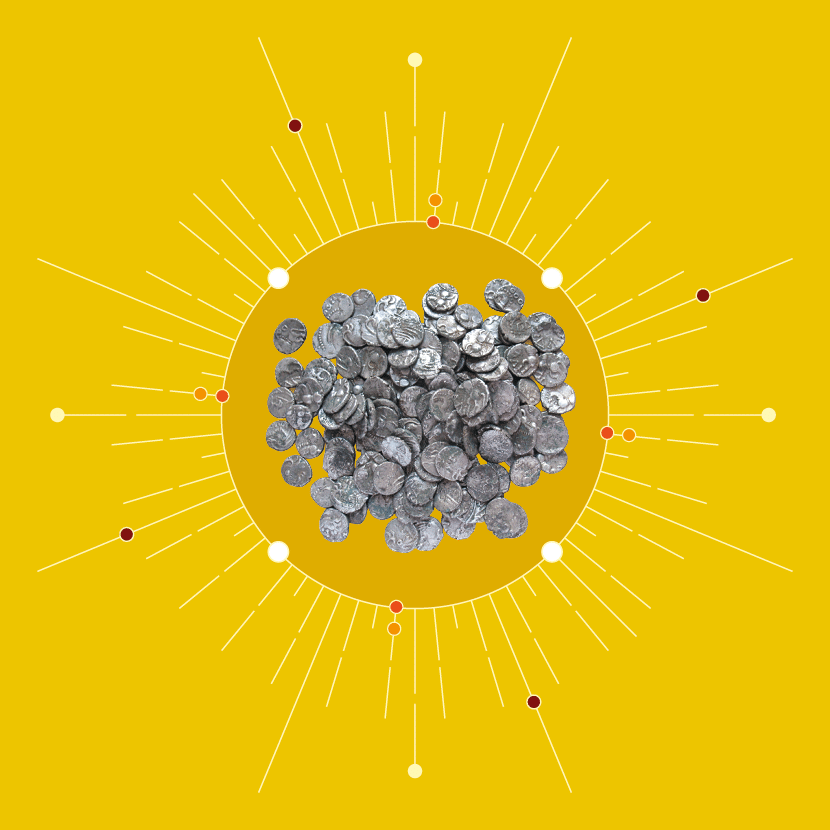
Temporary exhibition "The Treasure of Bassing"
Conference: "Witchcraft in Marsal and Saulnois"
Workshop/Entertainment for young audiences: The Addams family
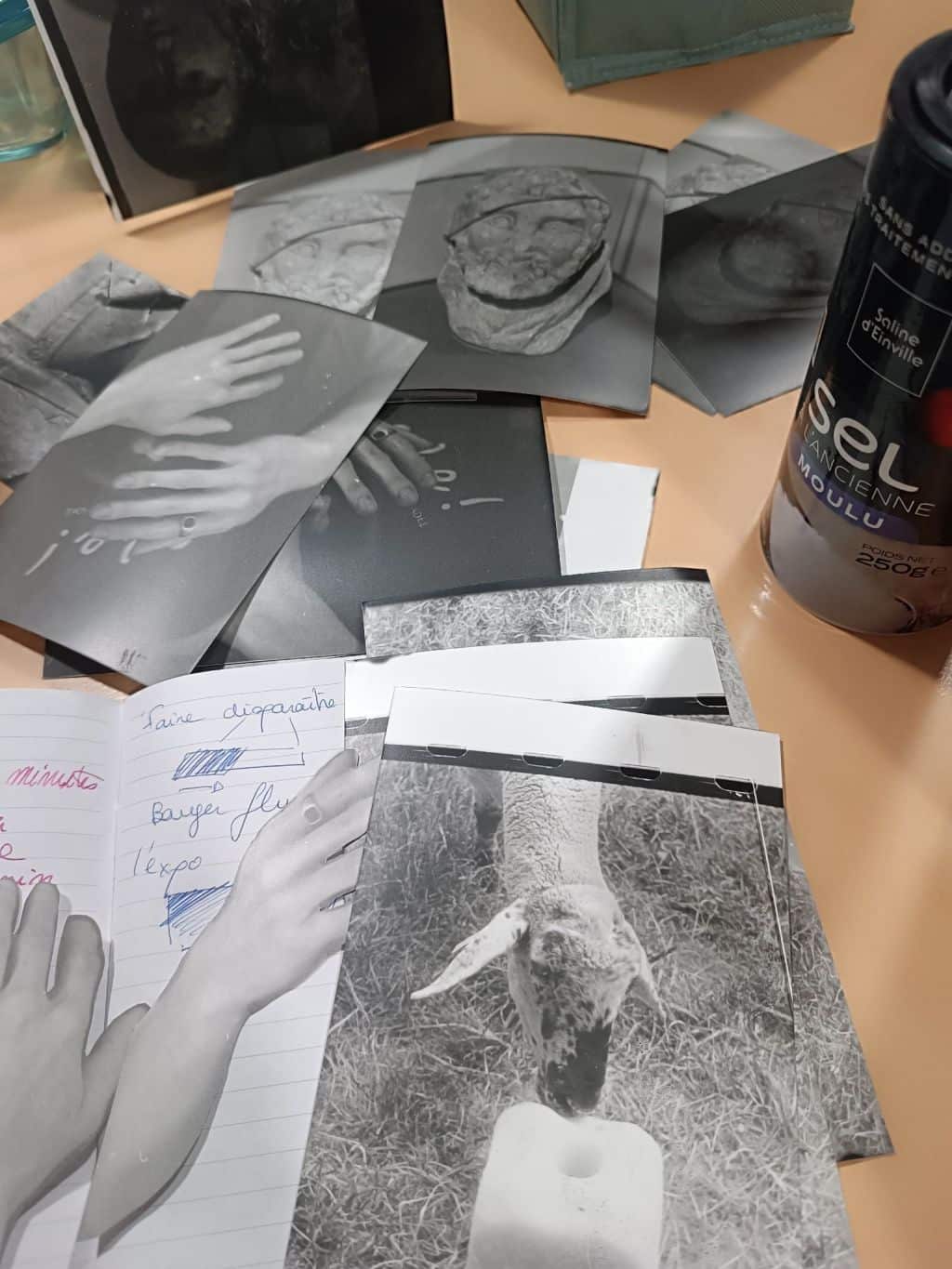
Artists in situ - Of salt and silver
The true story of Jack O'Lantern
Pumpkin!
Samhain
Hello Owl
Little pumpkin where are you hiding?
Did you know?
Origins of the museum
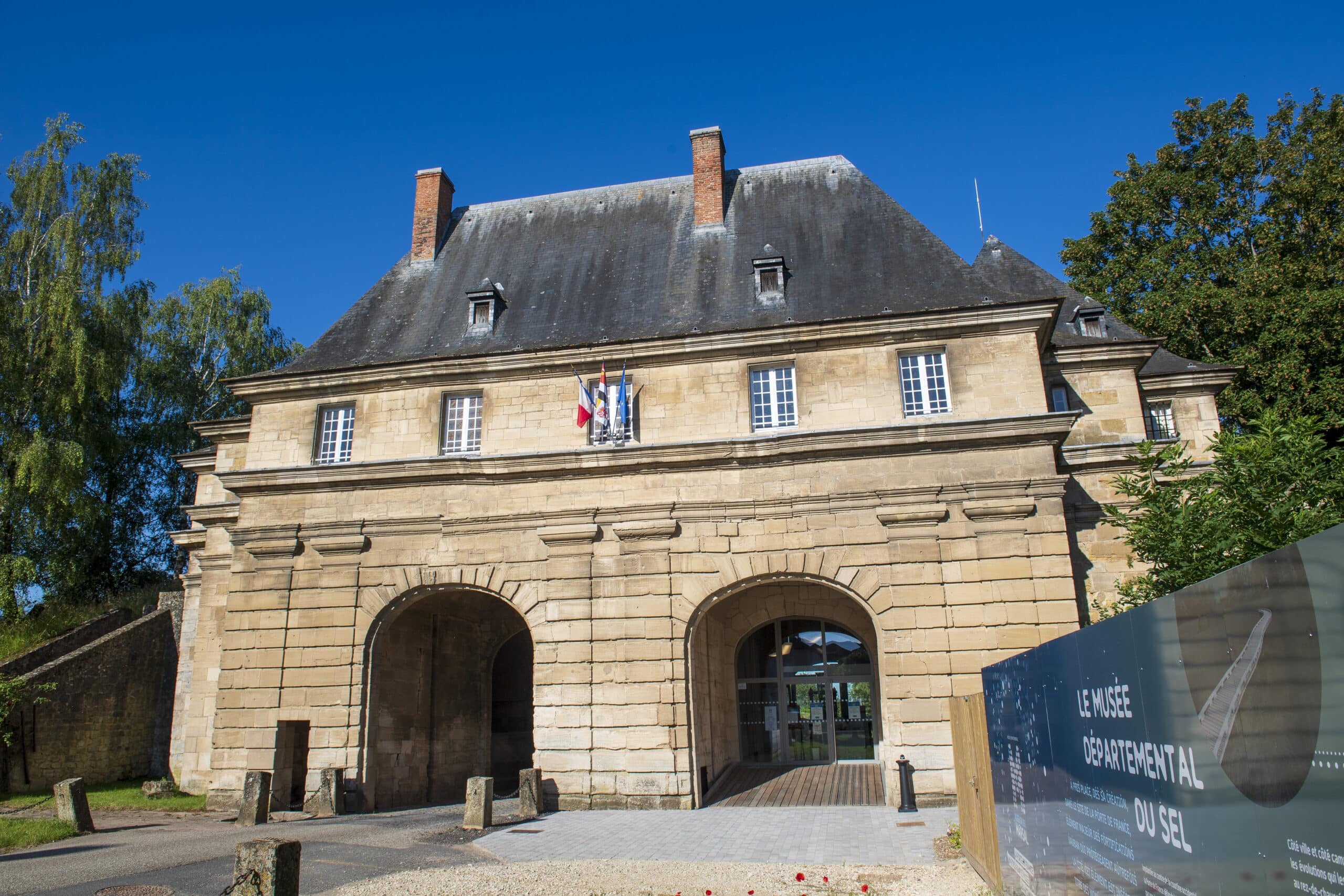
The origins of this establishment date back to a "Maison du Sel" with associative status placed under the auspices of the Lorraine Regional Natural Park, inaugurated in 1973 by Prime Minister Pierre Messmer. Since 2004, it has been a site of the Department of Moselle, labeled "Musée de France". Its collections are transferred free of charge to the Moselle and enriched with new objects and works, thanks to deposits and acquisitions, before being redeveloped to better promote the salt heritage of Saulnois.
A museum that reinvents itself
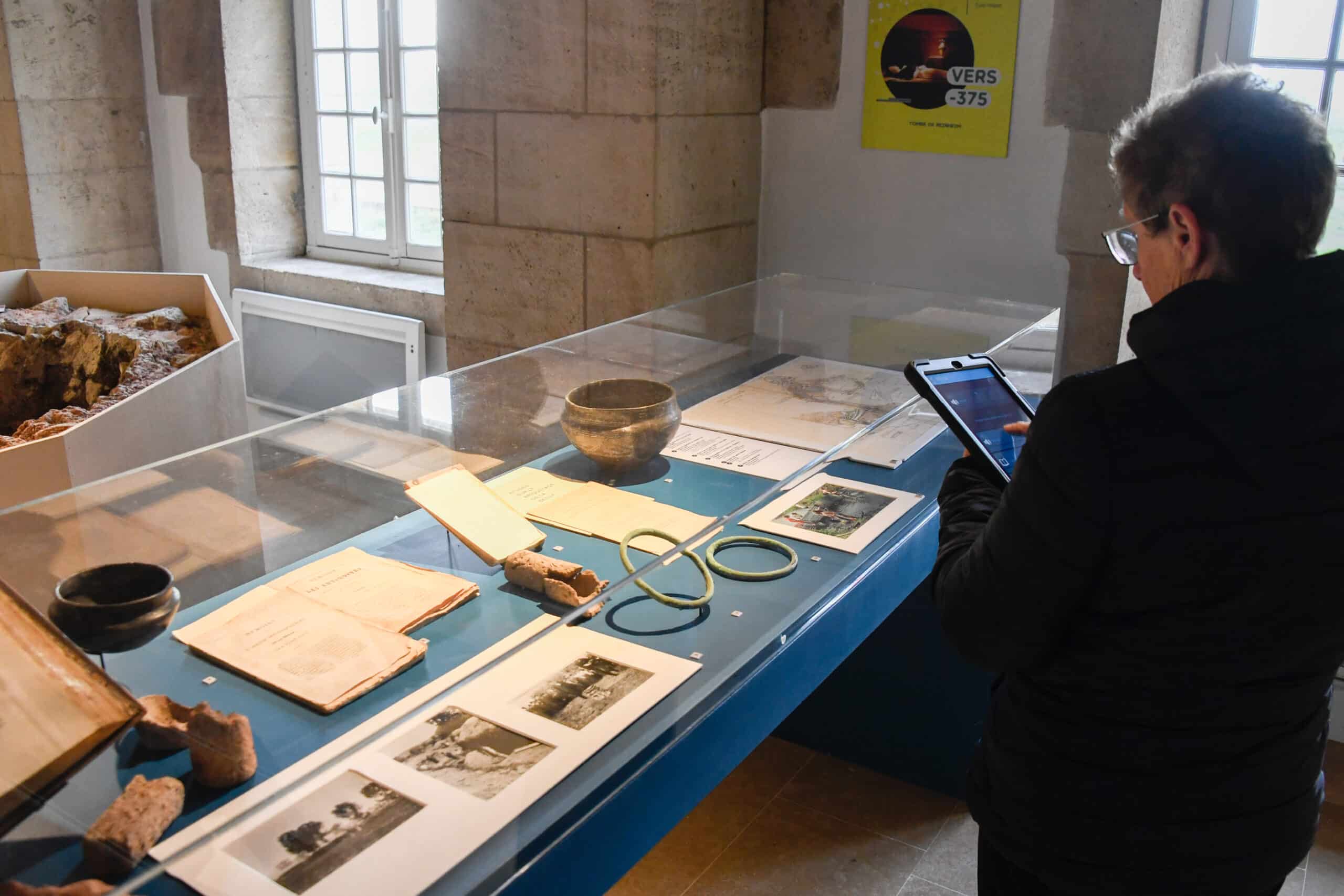
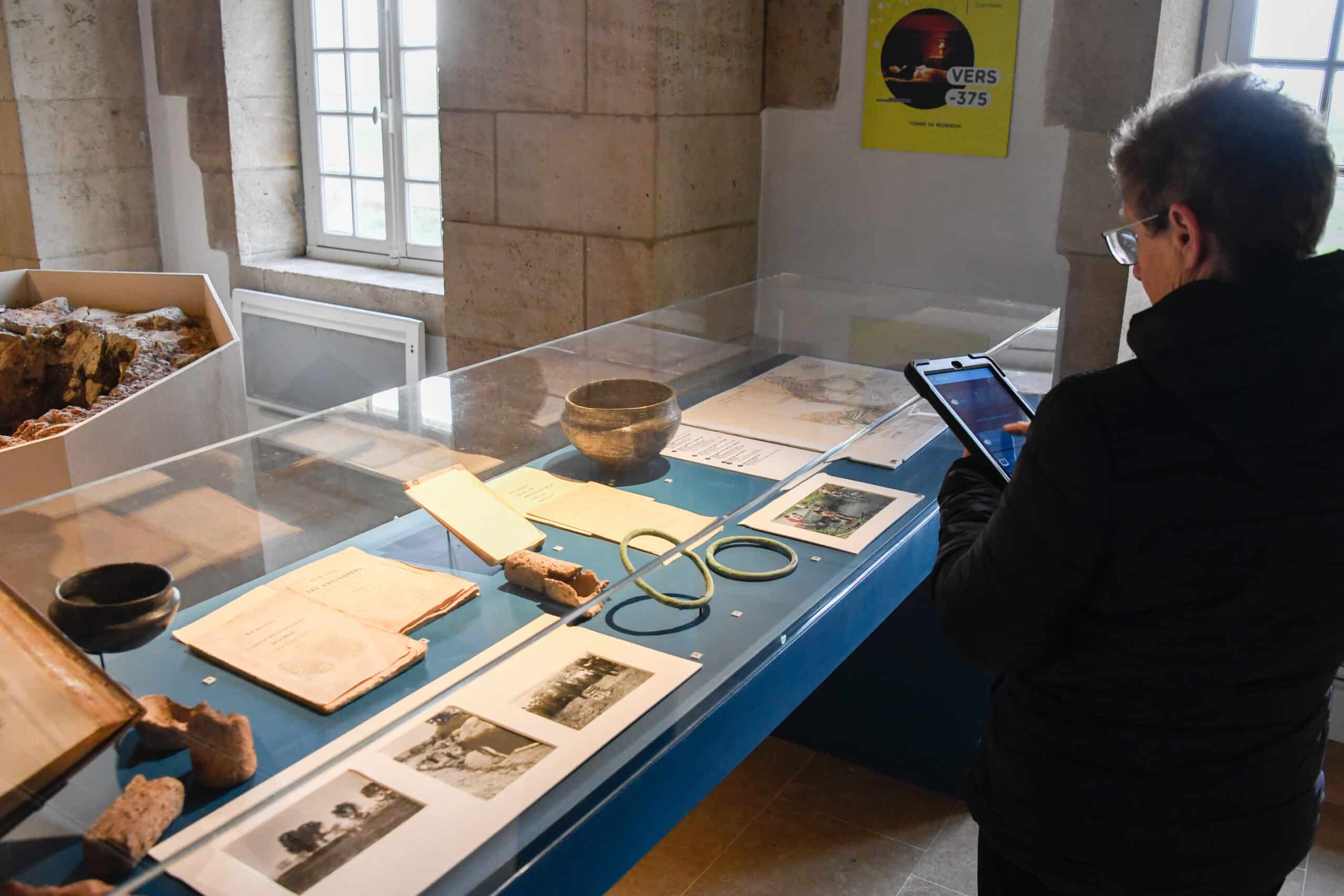
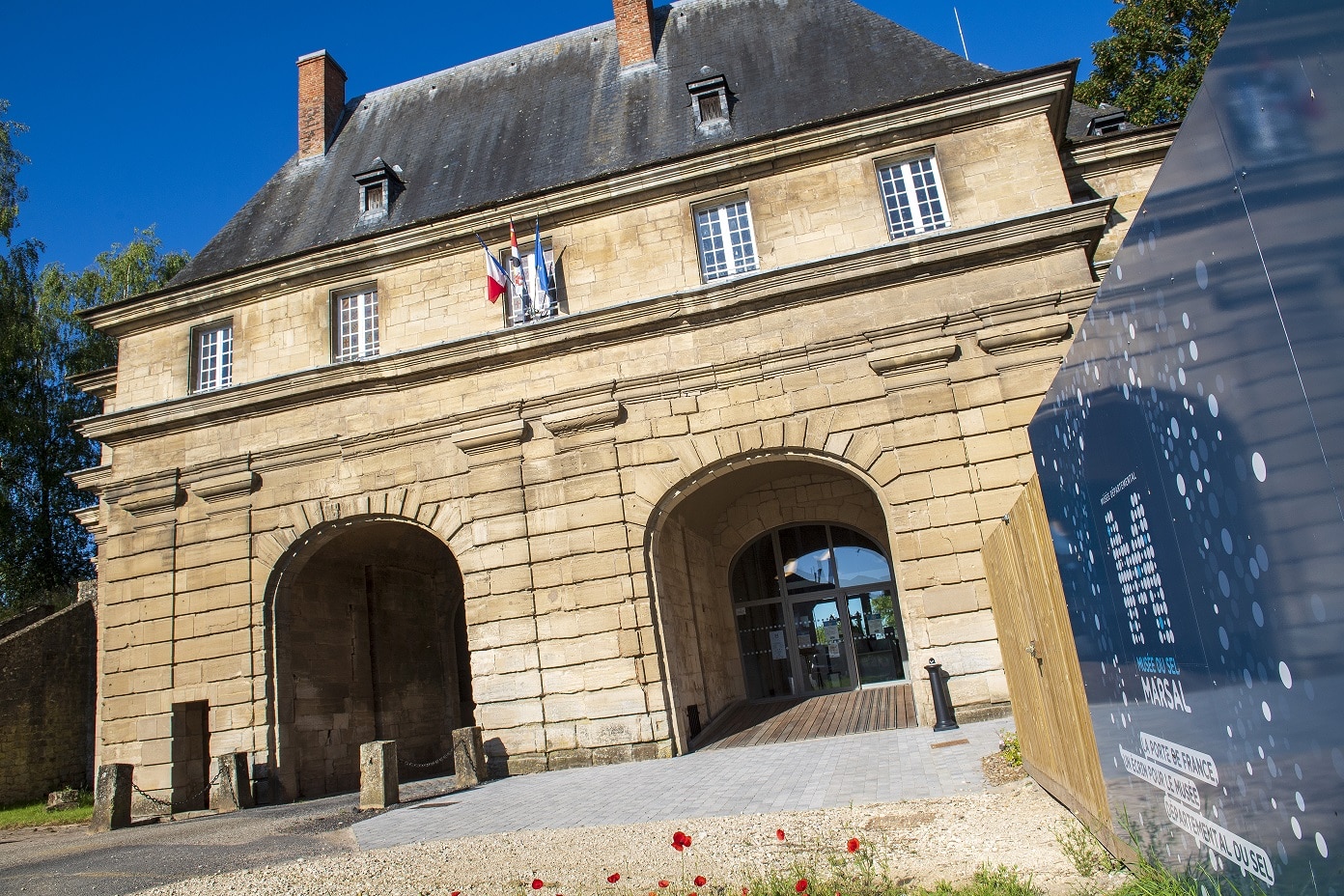
In 2019, the Museum installed in the Porte de France, a vestige of the Vauban fortifications, was the subject of a major redevelopment project of the reception area and the creation of a new museography, completed and modernized, of the collections permanent. It invites visitors to immerse themselves in the history of salt production, nicknamed "white gold" of the upper Seille valley and to understand its key role in the economic, political and social life of the territory since the Iron Age until the 18th century.
A new museography
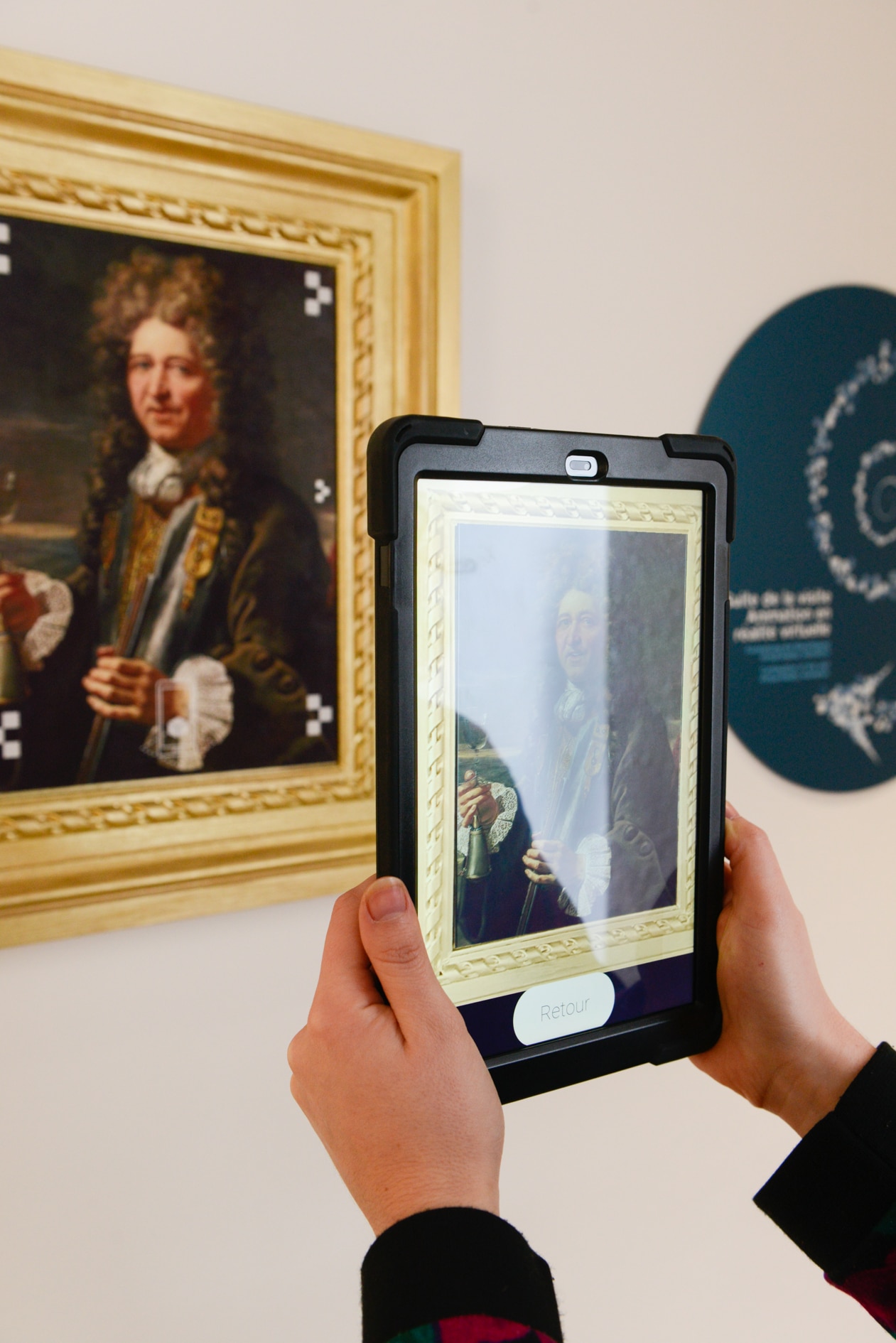
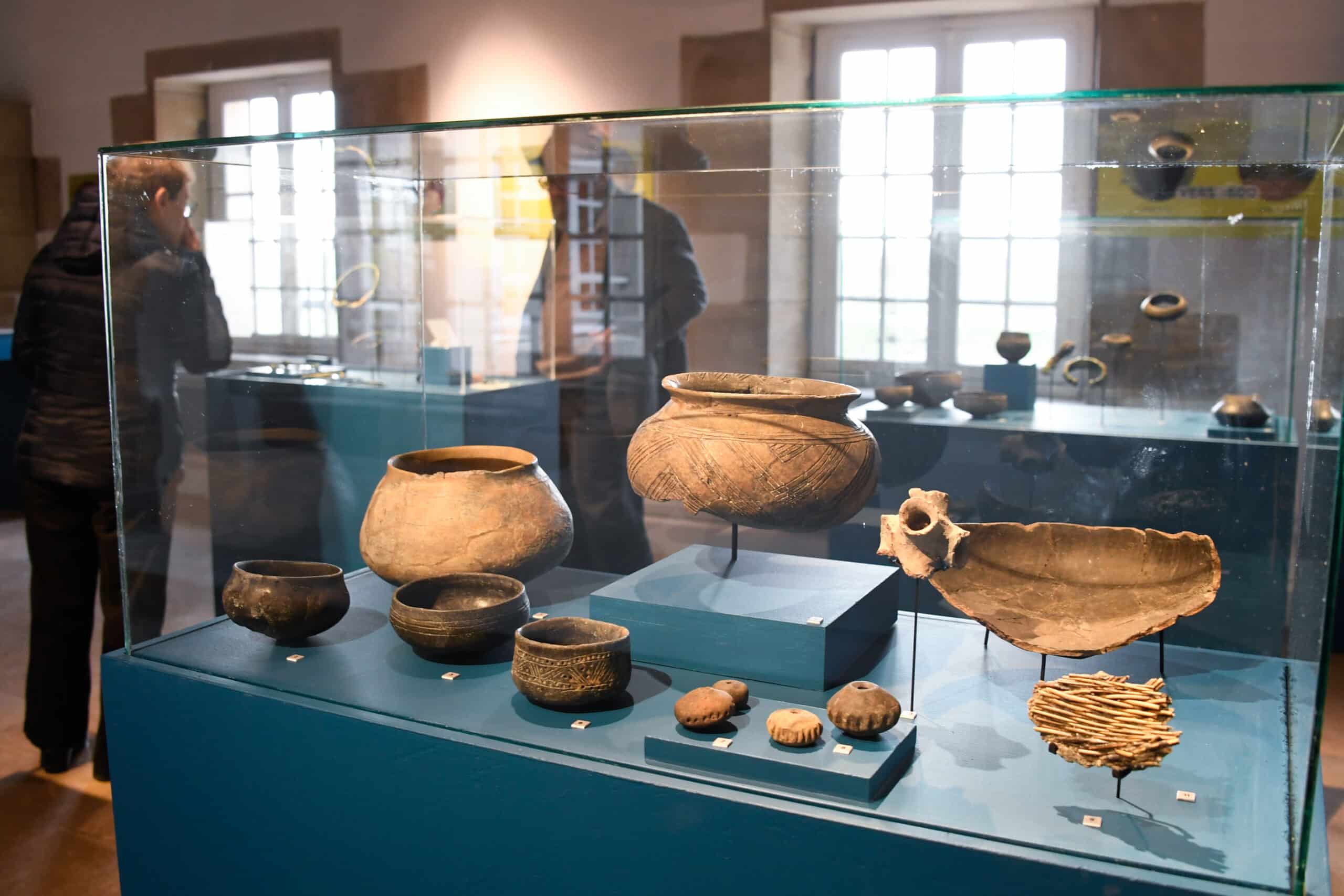
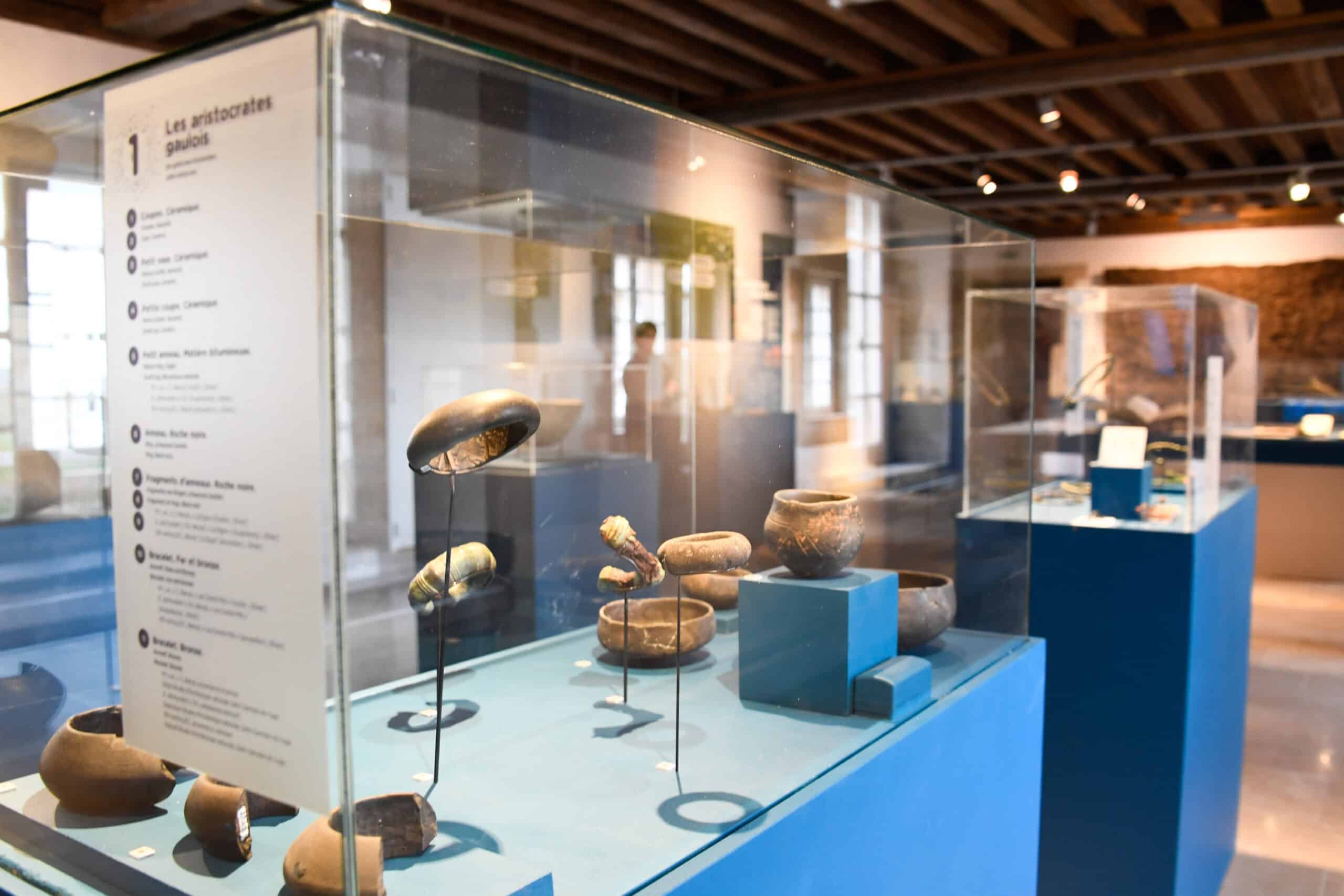
Through the renovated spaces of the Porte de France, a historic monument from the 17th century and symbol of Marsal's military architectural heritage, the Salt Museum has a new presentation of its permanent collections. It offers a tour enriched with new objects and digital mediation tools as well as a documentary film.
Funds of exceptional objects and prestigious partners
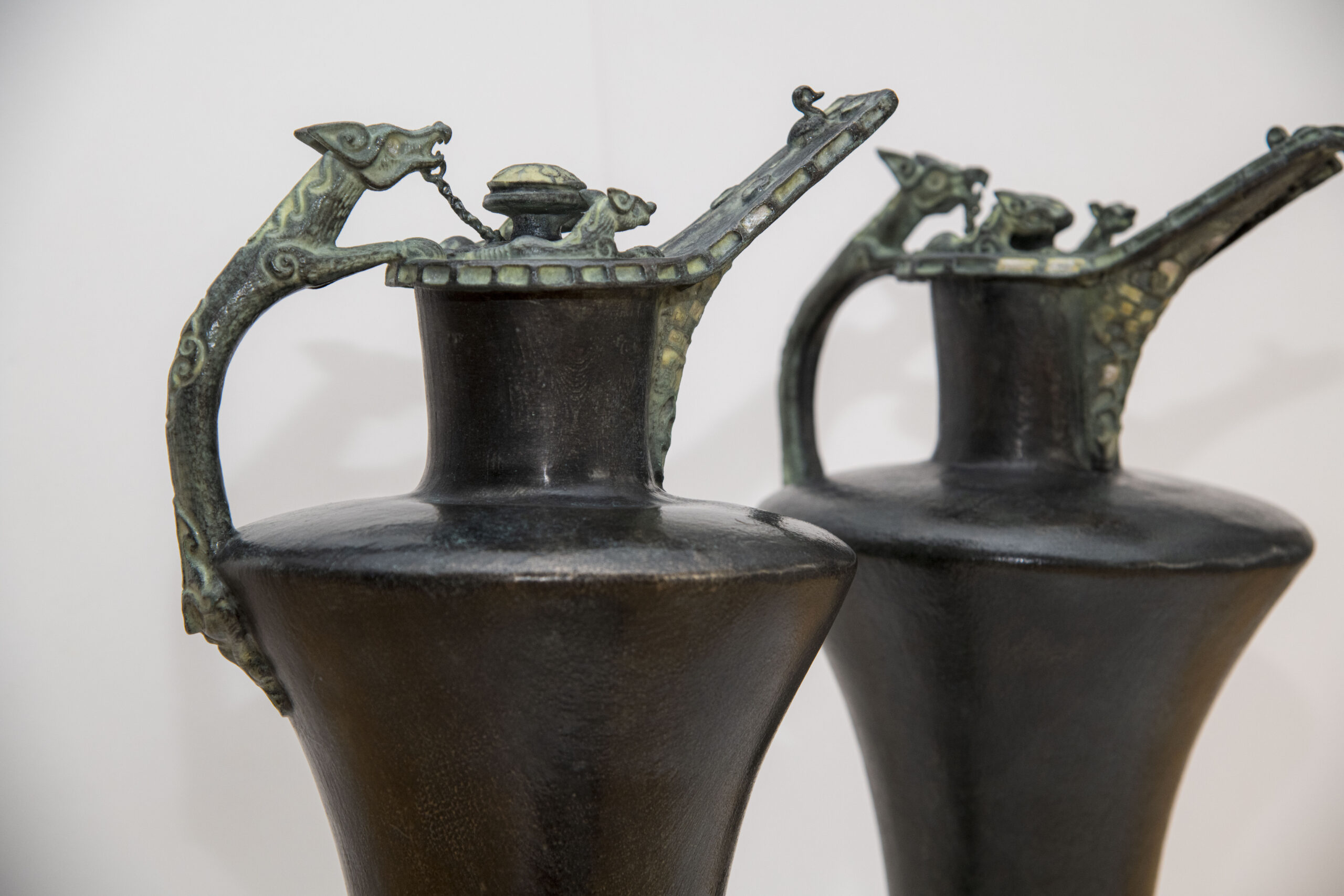
The collections of the Departmental Salt Museum are enriched thanks to numerous partnerships with French and foreign museums: through loans and deposits. It notably presents deposits from the National Archeology Museum in Saint-Germain-en-Laye, the Cour d'Or Museum in Metz, the Palace of the Dukes of Lorraine – Lorraine Museum in Nancy and the British Museum.
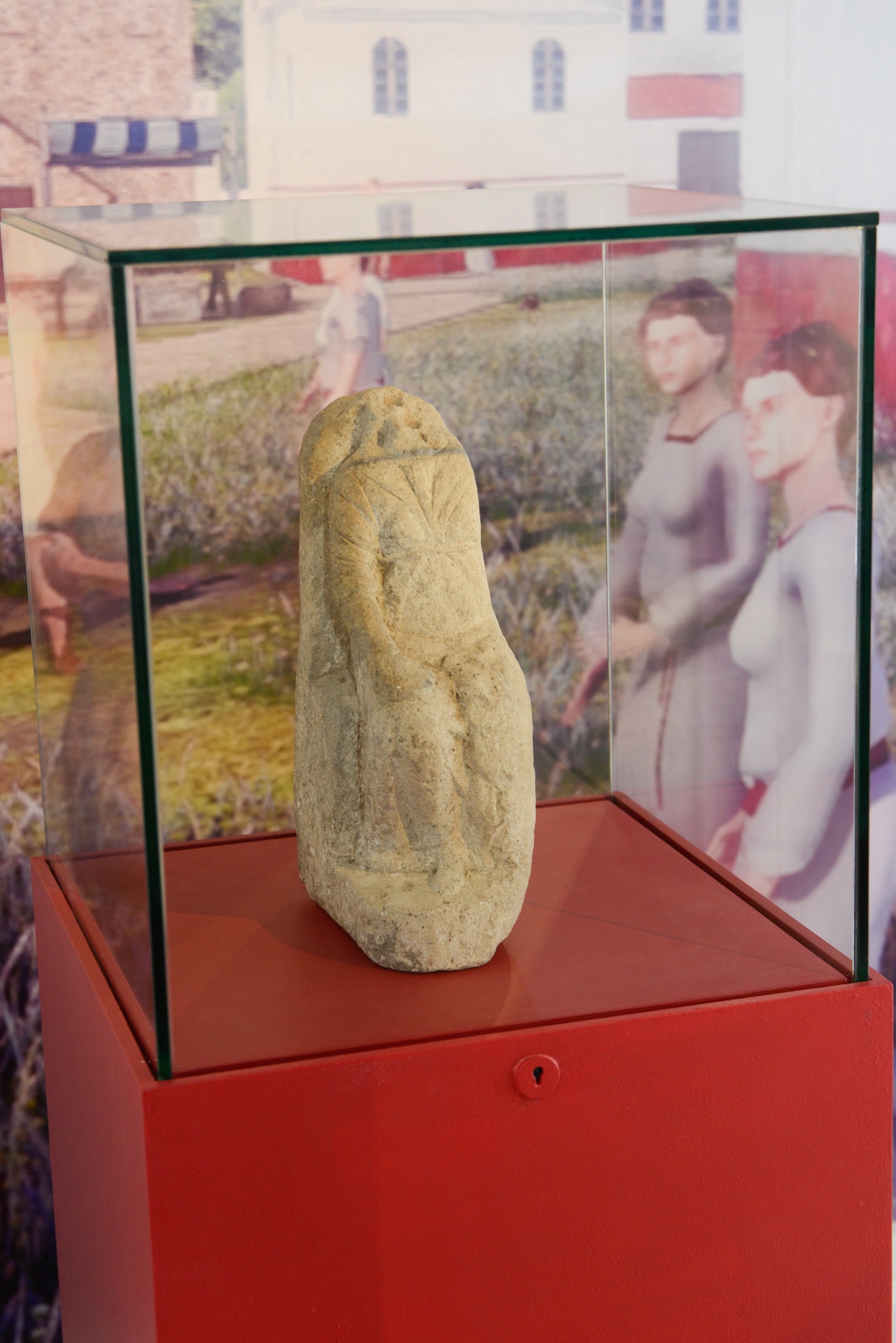
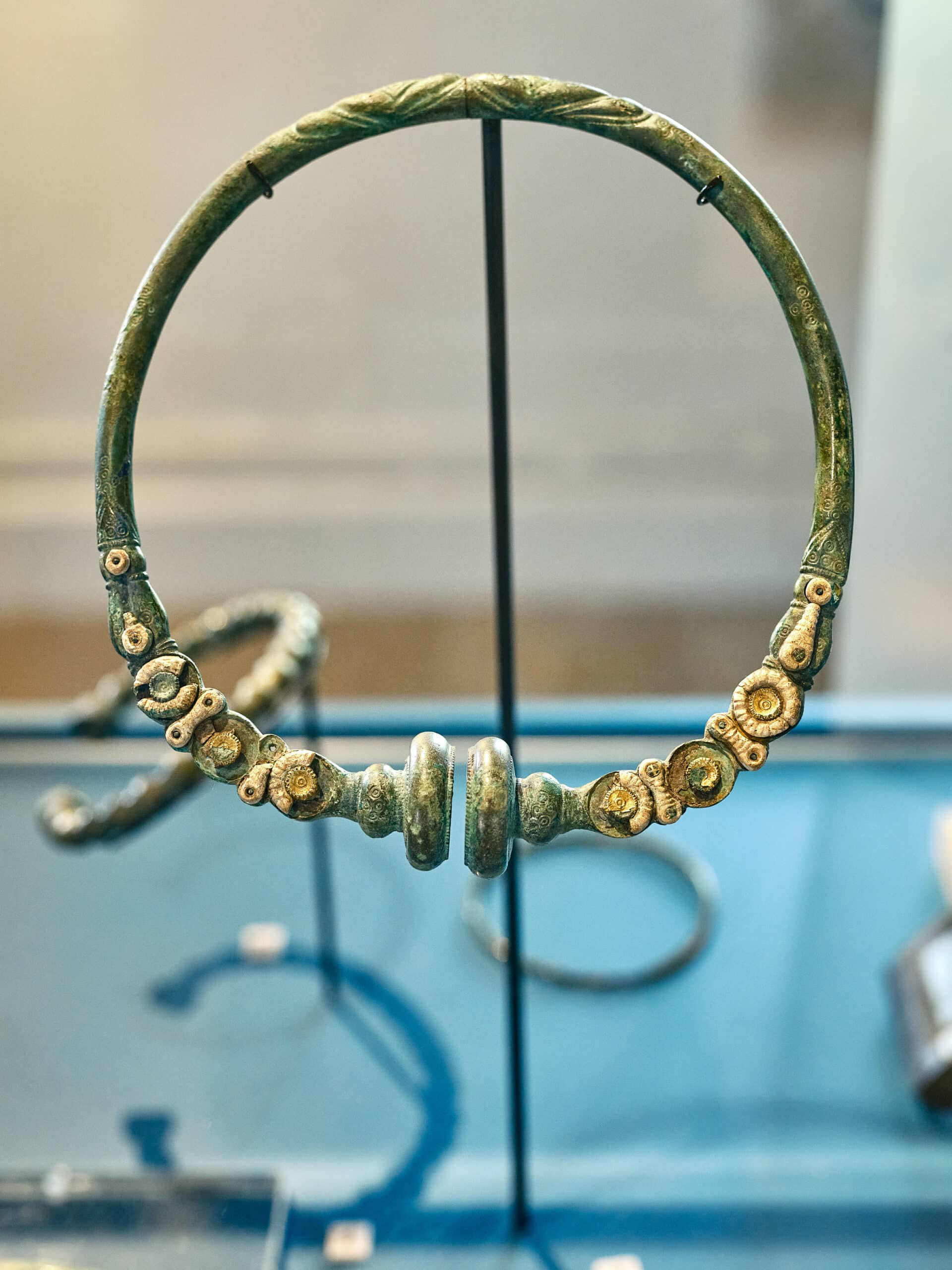
Notable pieces include the Leimersheim torque, a 14th-century reliquary, a Virgin and Child, a Merovingian fibula and the 3D copy of Yutz's vases.
Saulnois, land of Salt
The Seille valley is home to one of the largest deposits of rock salt in Europe, a wealth that has shaped the history of Saulnois, nicknamed the land of salt, since Celtic times.
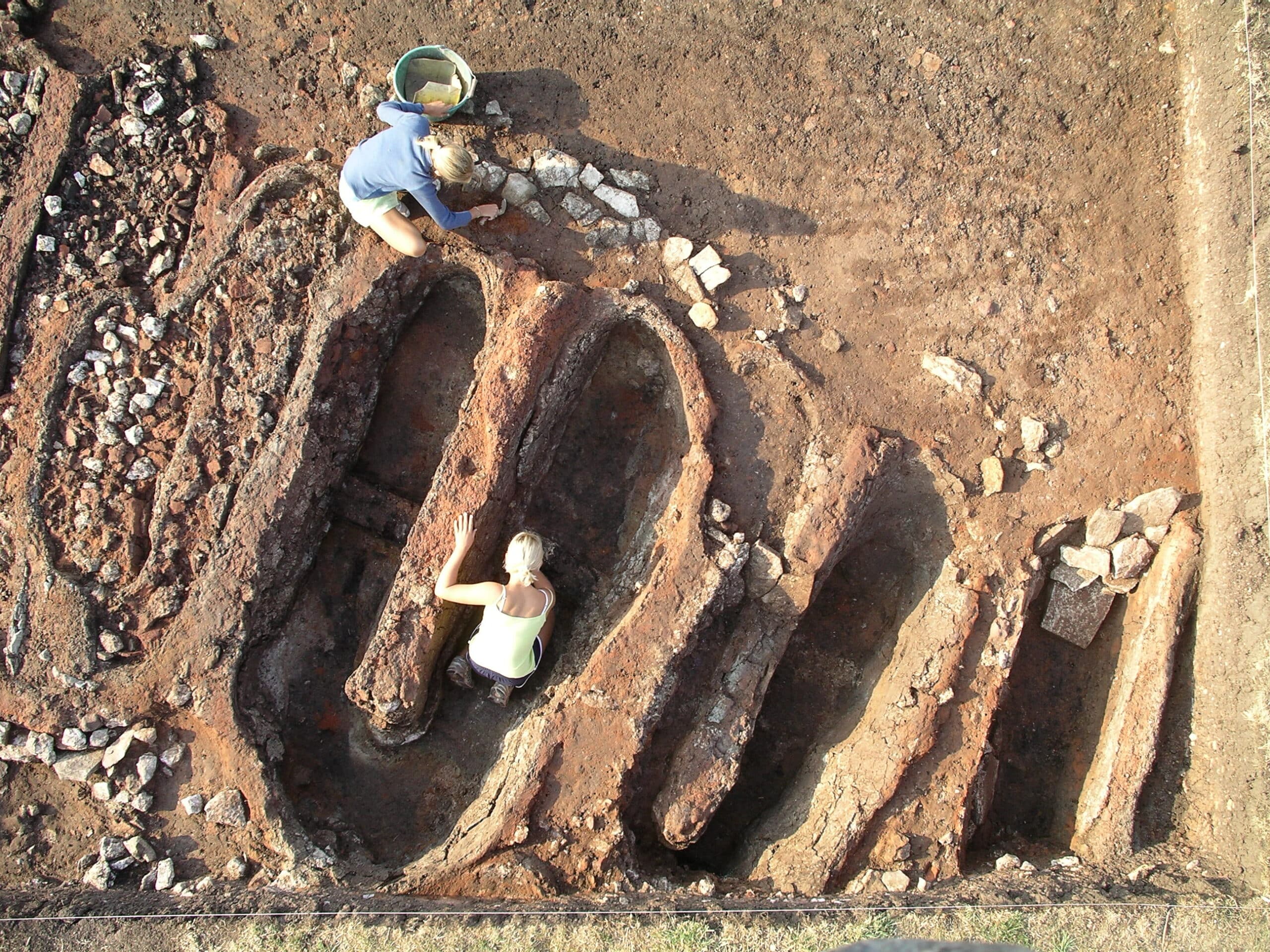
Since the Iron Age, salt from salt springs was exploited in vast workshops, leaving behind the brickwork of the Seille, a unique archaeological testimony in Europe. This activity has had a lasting impact on local toponymy: Marsal, Salonne, Château-Salins, Seille.
At the time, salt, essential for preserving food, had the value of a currency. Marsal, enriched by its salt pans, became a prosperous center, of which prestigious witnesses remain today, such as the Saint-Léger church or various works of art.
The excavations carried out since the 1970s by Berton, Bertaud then Laurent Olivier, chief curator at the National Archeology Museum with the financial and technical support of the Department of Moselle, have revealed salt exploitation on a quasi-industrial scale and offered insight valuable on Celtic society.
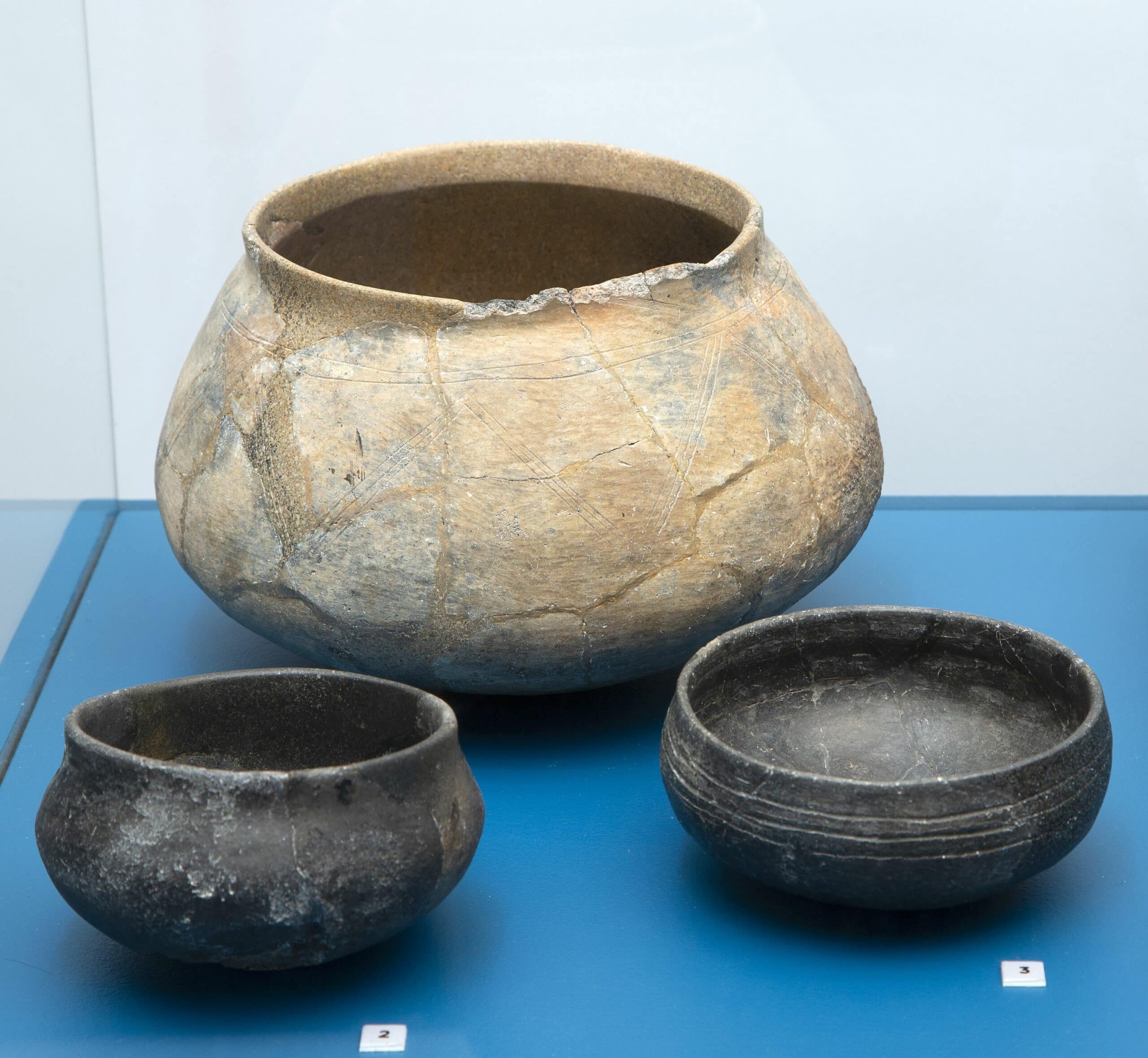
Many objects, including a remarkable wooden set, are now presented at the Departmental Salt Museum.
Porte de France or city gate
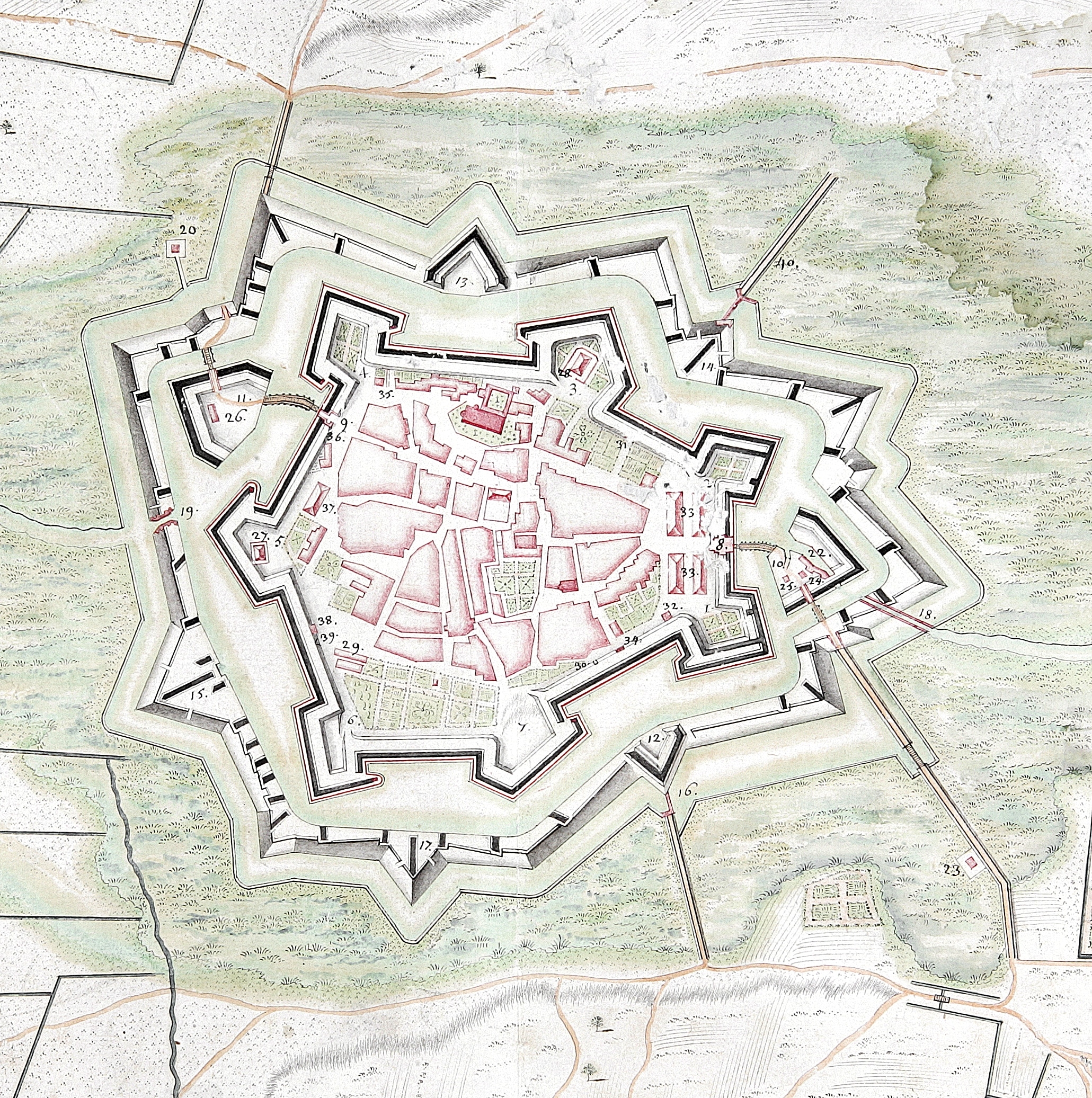
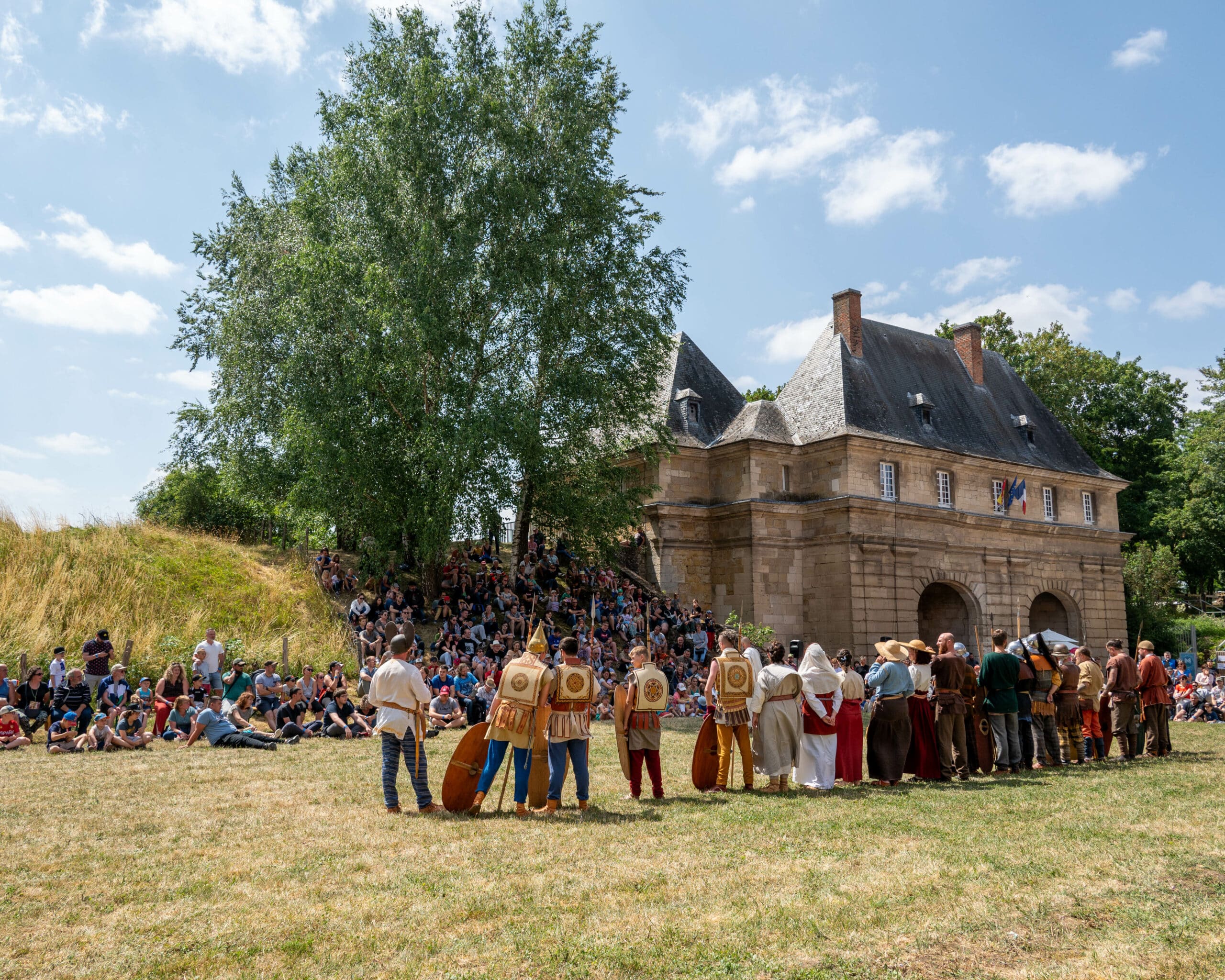
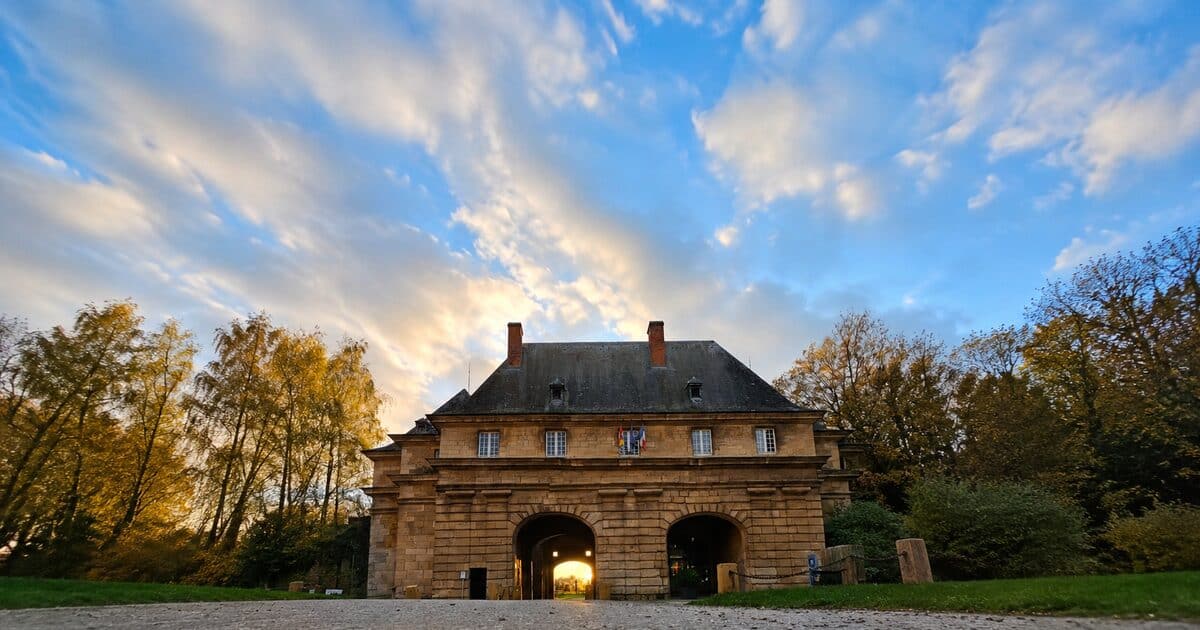
The Departmental Salt Museum has taken place, since its creation, on the site of the Porte de France, a major element of the Vauban fortifications which once surrounded the city. This building is protected as a historic monument. The Porte de France defended the main access to the city.
The village of Marsal
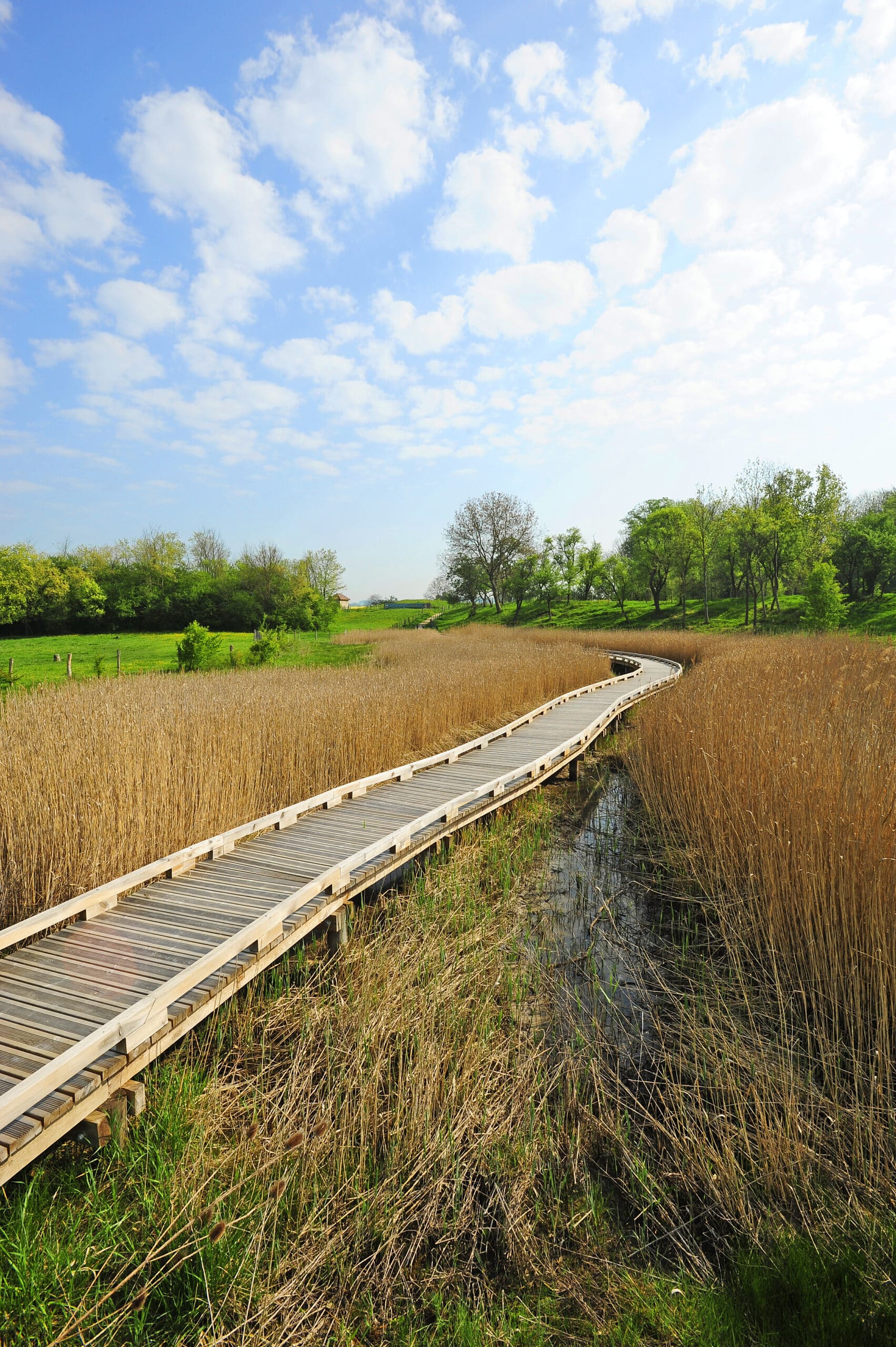
Marsal, a small village in Saulnois nestled in the Seille valley, is a unique place steeped in more than 3,000 years of history. Known since Antiquity for its salt springs, at the very origin of its name — salt ponds — the town owes its past wealth to the exploitation of salt, the true "white gold" of the region.
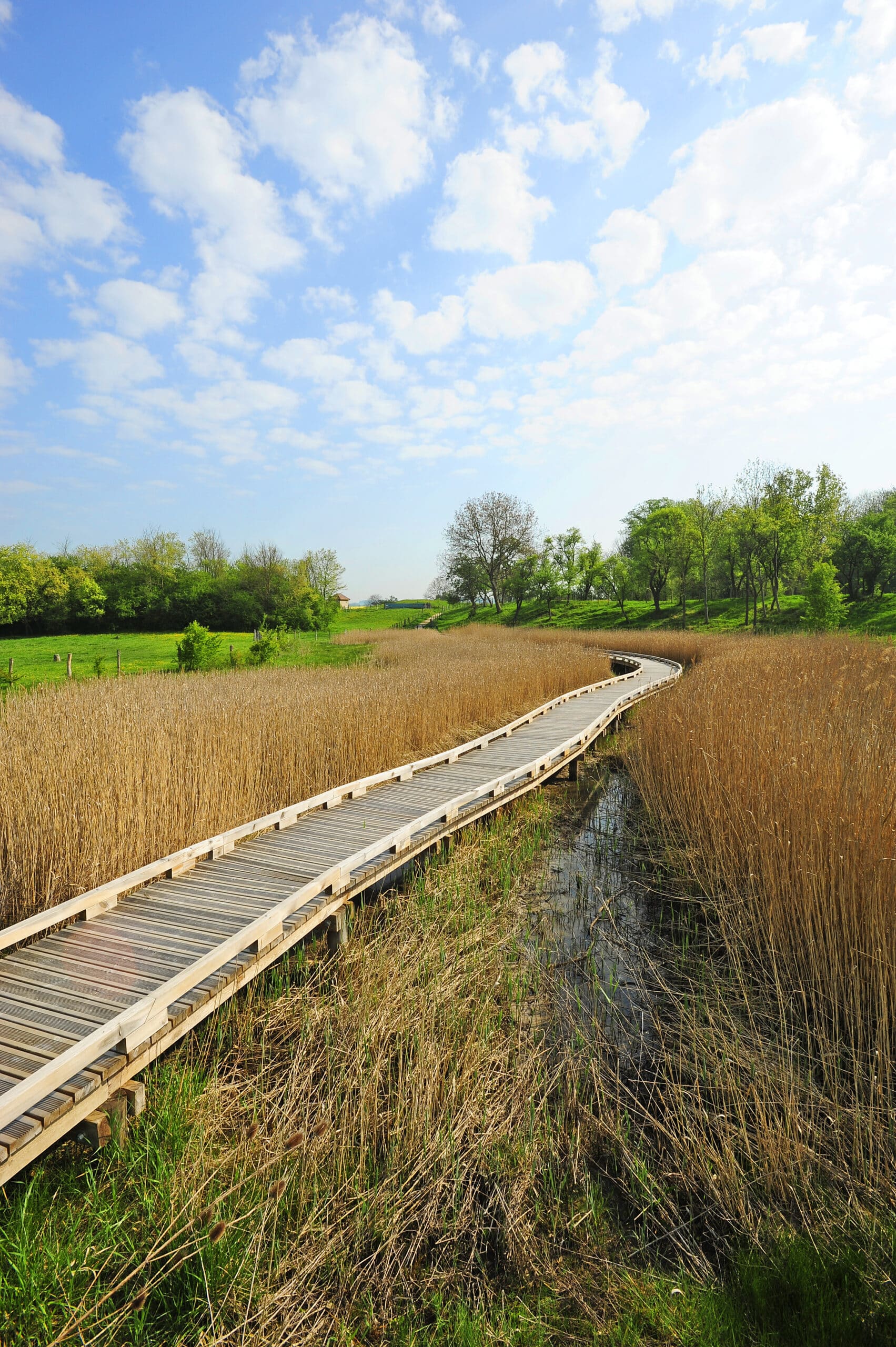
Even today, the presence of salt marks the landscapes: around the village, we discover rare and typical halophilic vegetation, such as samphire or maritime aster, which thrives thanks to these salty soils.
In pictures