

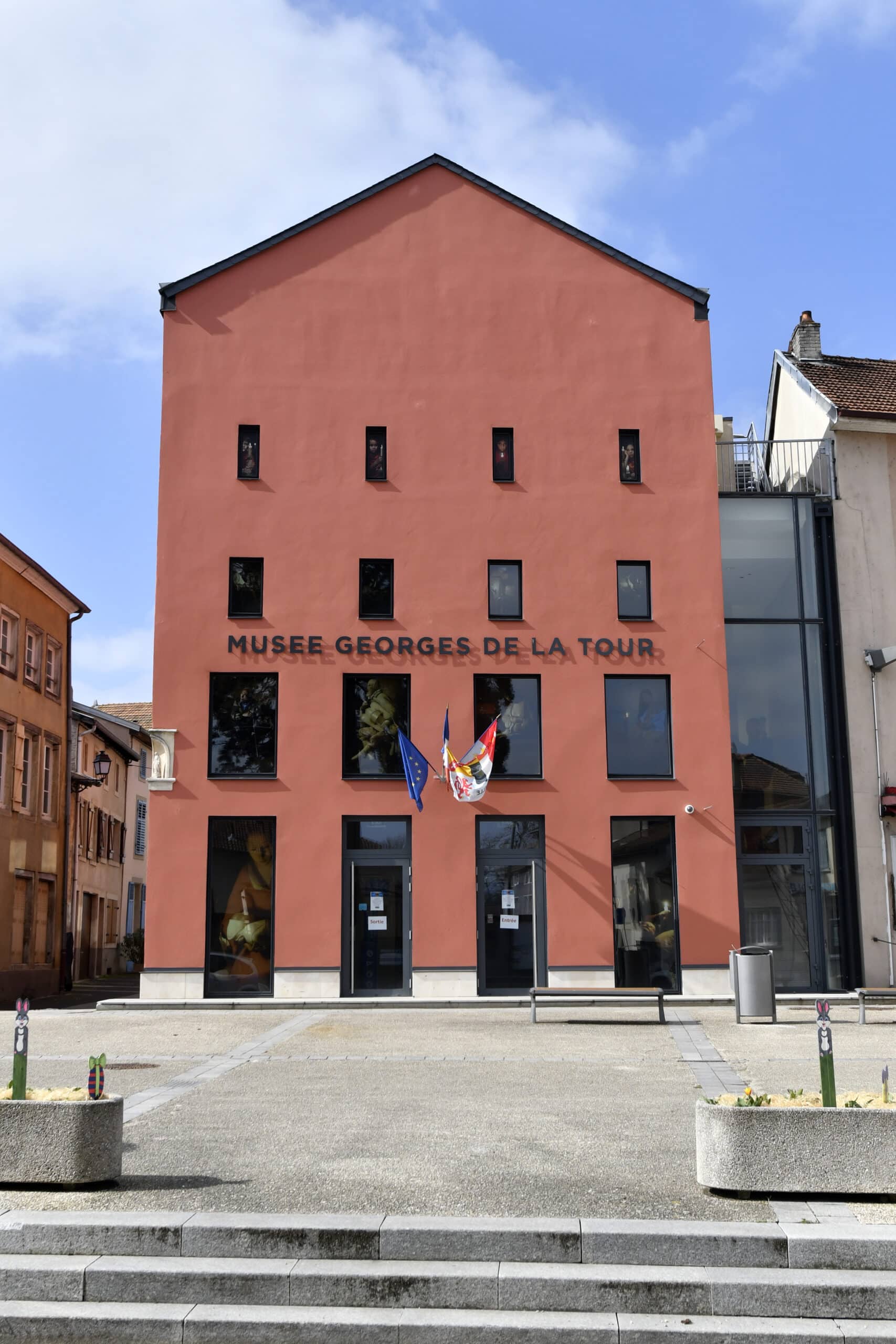
When shadow reveals light at the Georges de La Tour Museum
Introduction
In Vic-sur-Seille, immerse yourself in the captivating world of Georges de La Tour, a master of chiaroscuro born in Moselle recognized today as one of the greatest masters of the 17th century. In a museum with contemporary architecture, discover two of his rare masterpieces: Saint John the Baptist in the Desert and Profile of a Woman as well as a rich collection of French paintings from the 17th to the 20th century. Immersion, emotion, contemplation... The museum offers a fascinating immersion in the artistic and spiritual universe of this artist, known for his intimate scenes and his play of light of rare depth.
A true cultural treasure where art, history and beauty meet.
The events
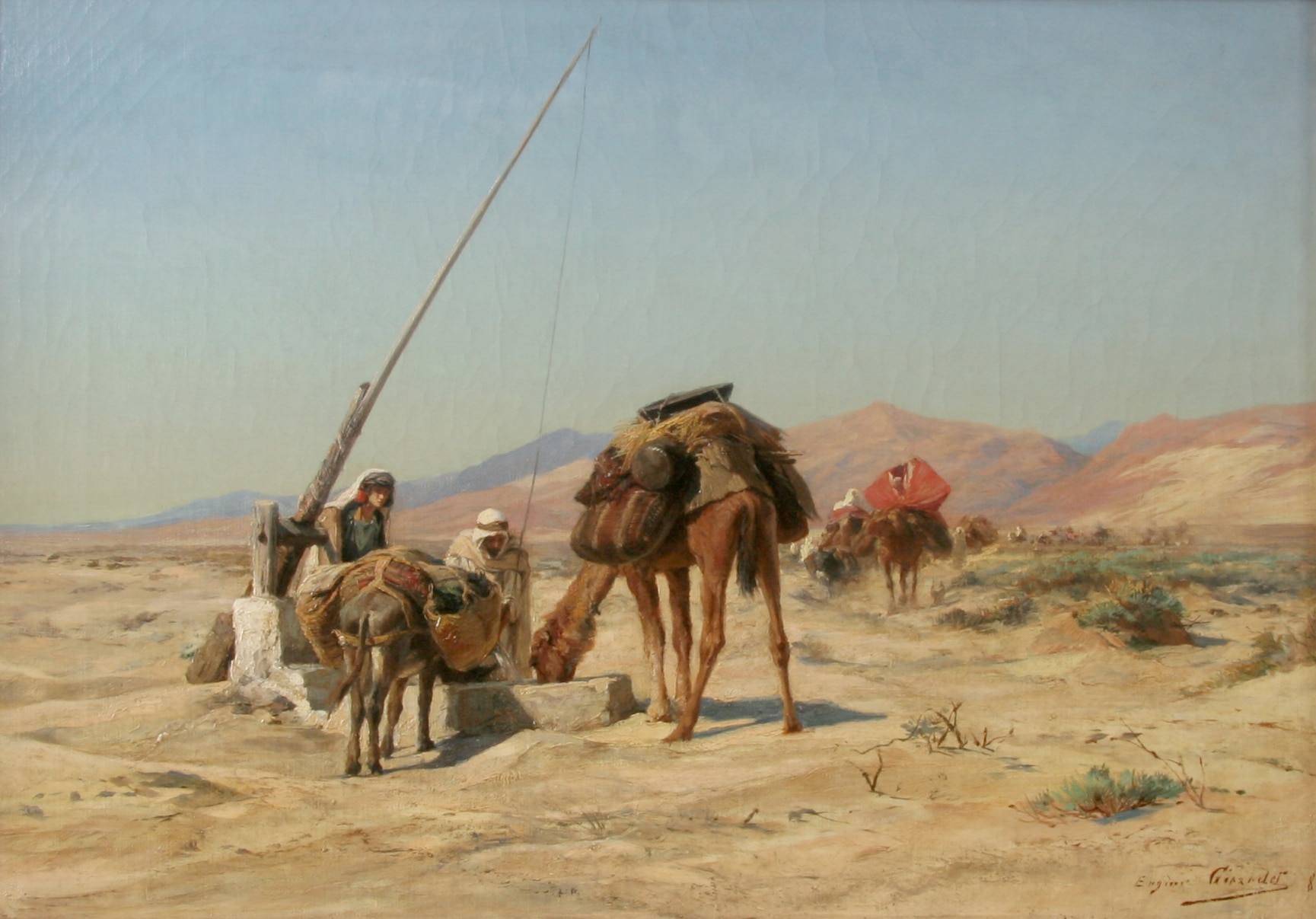
Trojan collection on a trip: a look at the 19th century
Murder Party
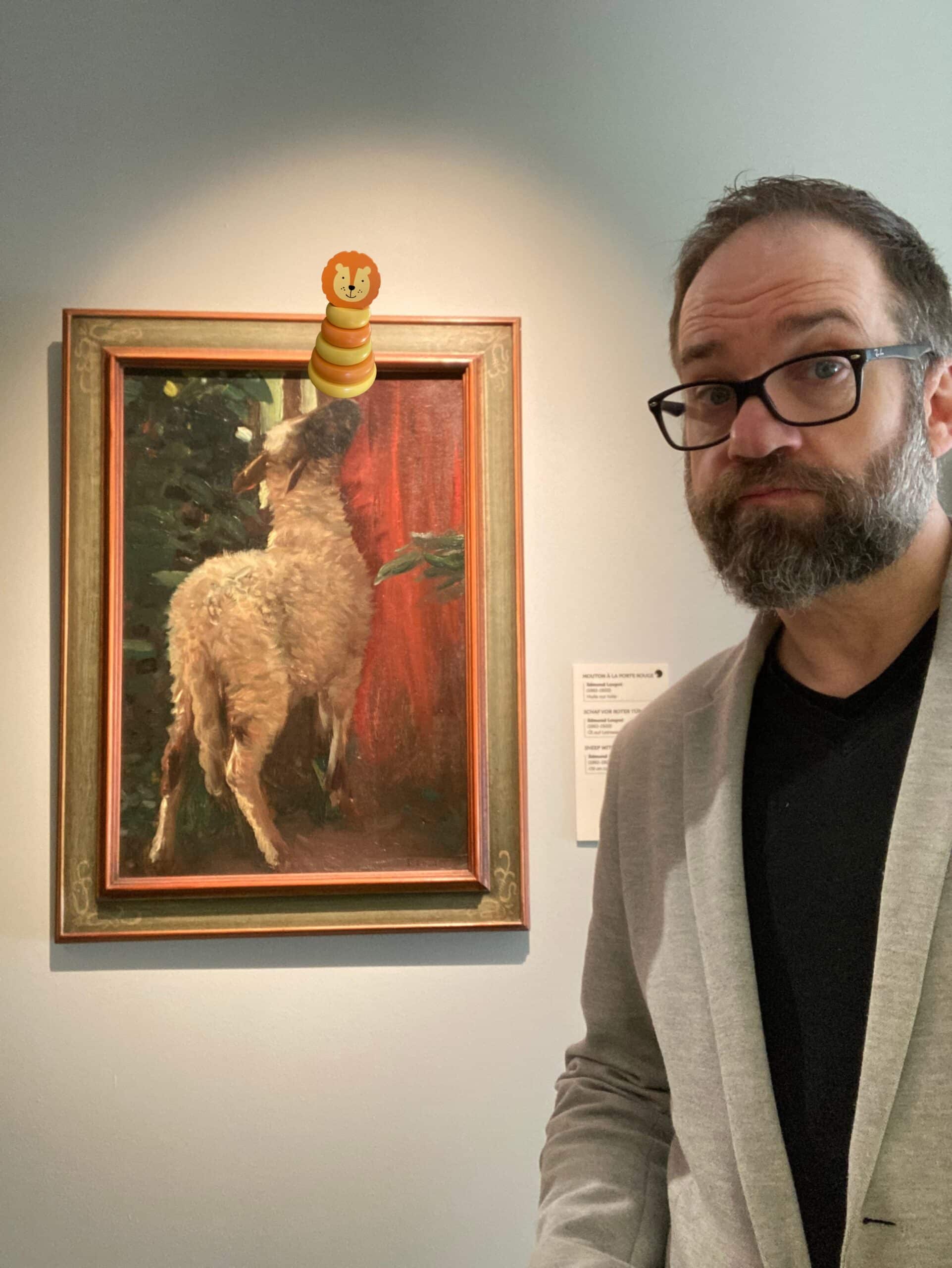
Artists in situ - The illuminated bestiary

Meditation and sound relaxation
A work, a tale
BOO!
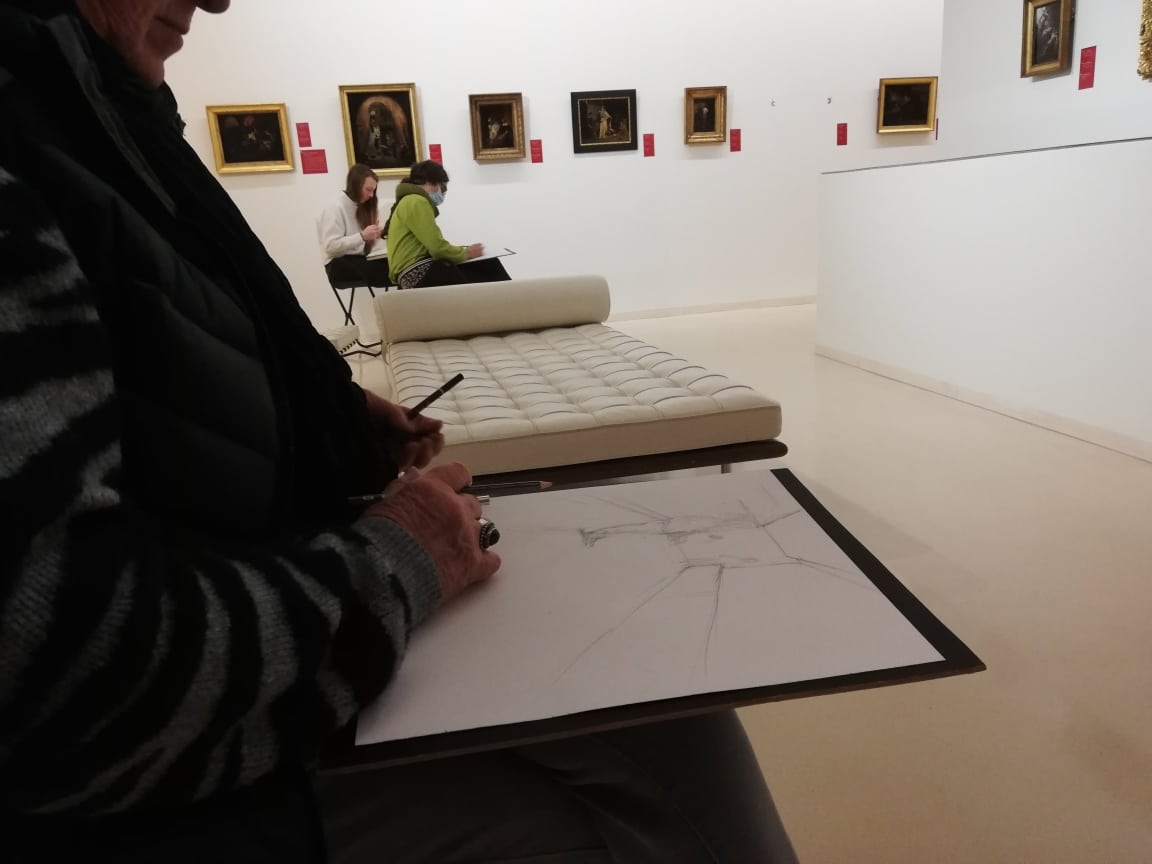
Drawing lessons
Witch are you there?
Meditation and sound relaxation
Did you know?
The museum
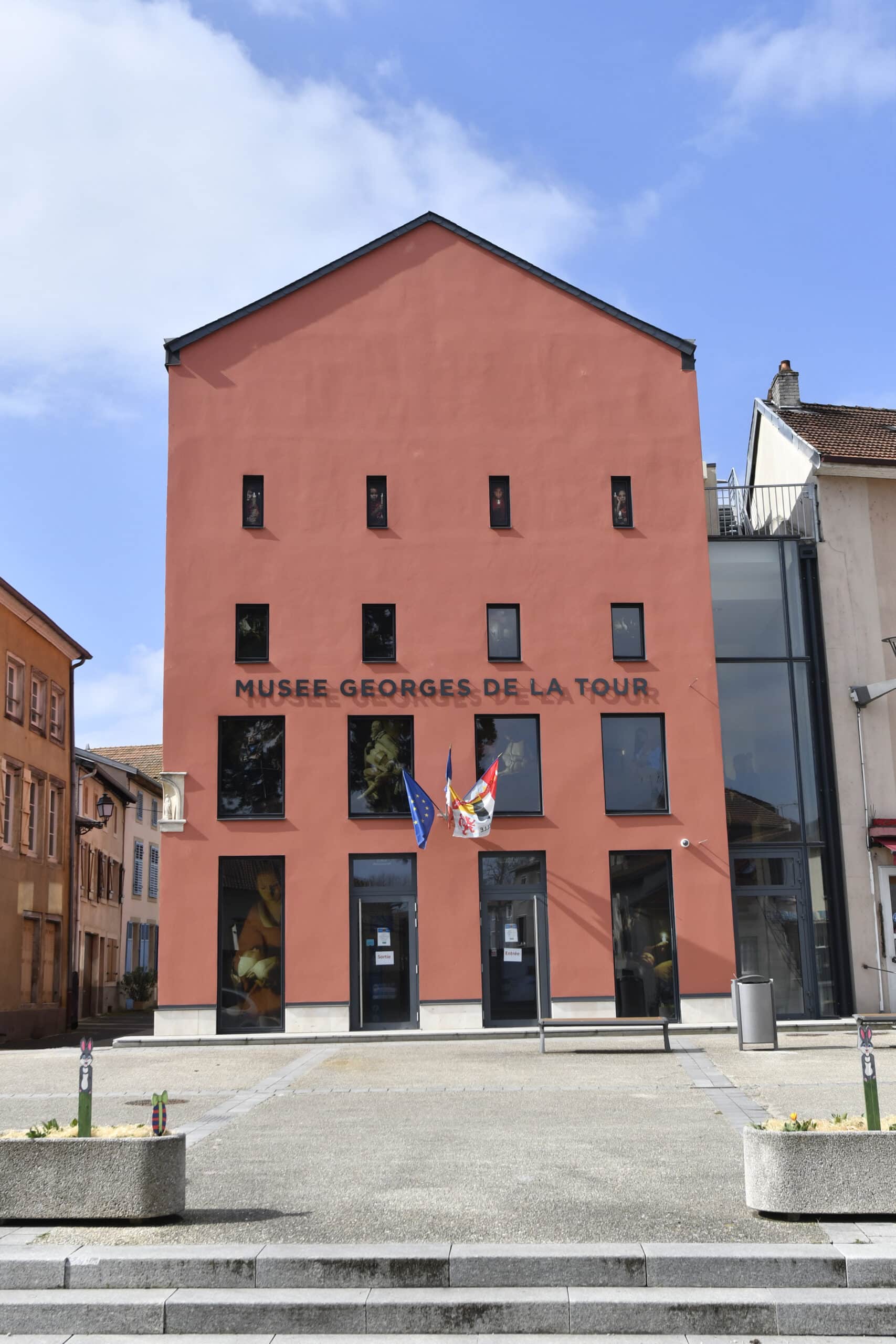
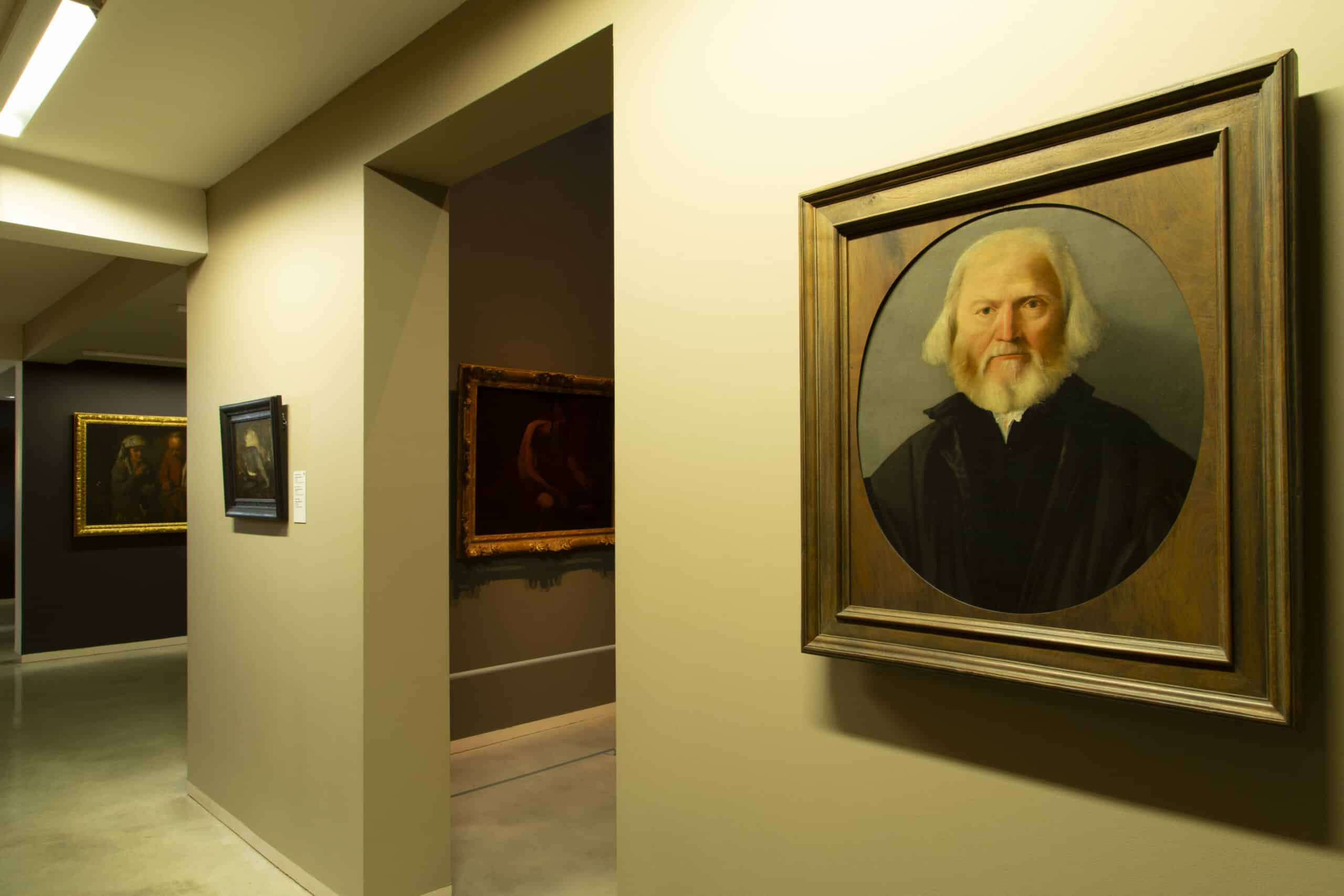
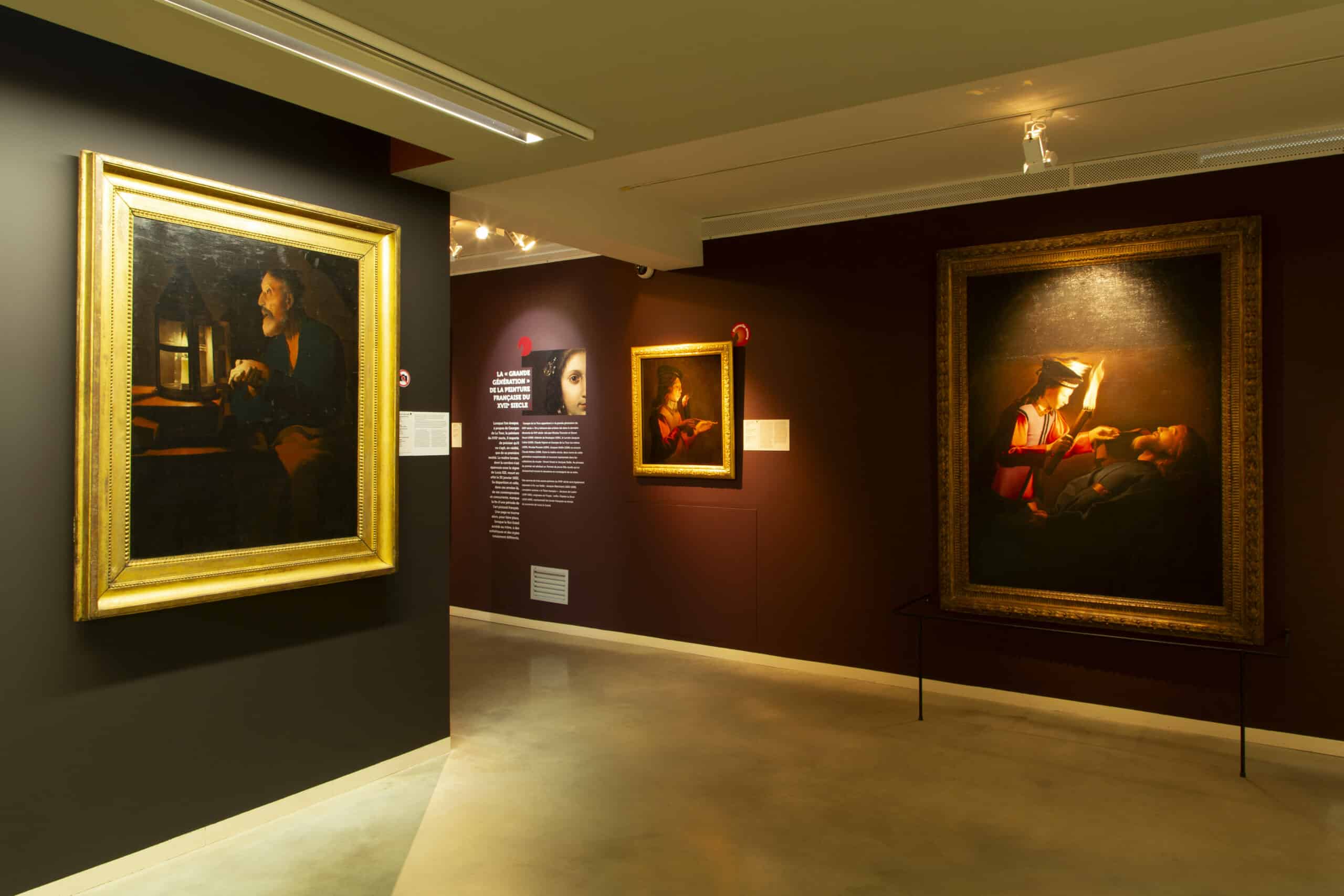
Located in the heart of Vic-sur-Seille, the museum pays tribute to Georges de La Tour, the greatest painter of 17th century French painting, born in the same city. Today it houses nearly 200 works, including 2 masterpieces by the artist: Saint John the Baptist in the Desert and Profile of a Woman.
The project to create the museum was born in 1996, at the initiative of the Department of Moselle and the municipality. It was to be able to accommodate the generous donation from brothers Jacques and Guy Thuillier: 82 paintings ranging from the 17th to the 19th century.
The Georges de La Tour Museum was created in a contemporary building, built on the site of an old 18th century house, Place Jeanne d'Arc.
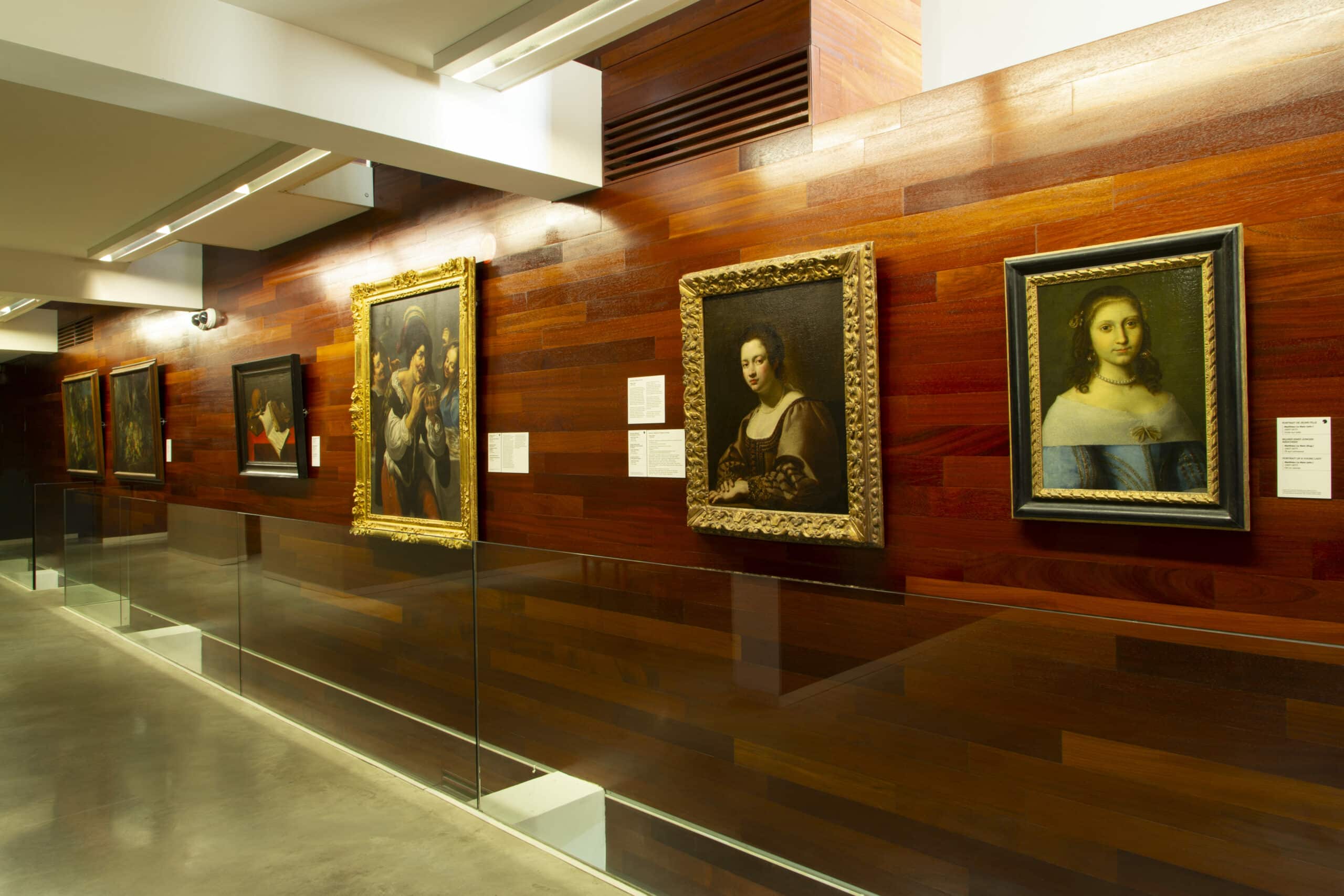
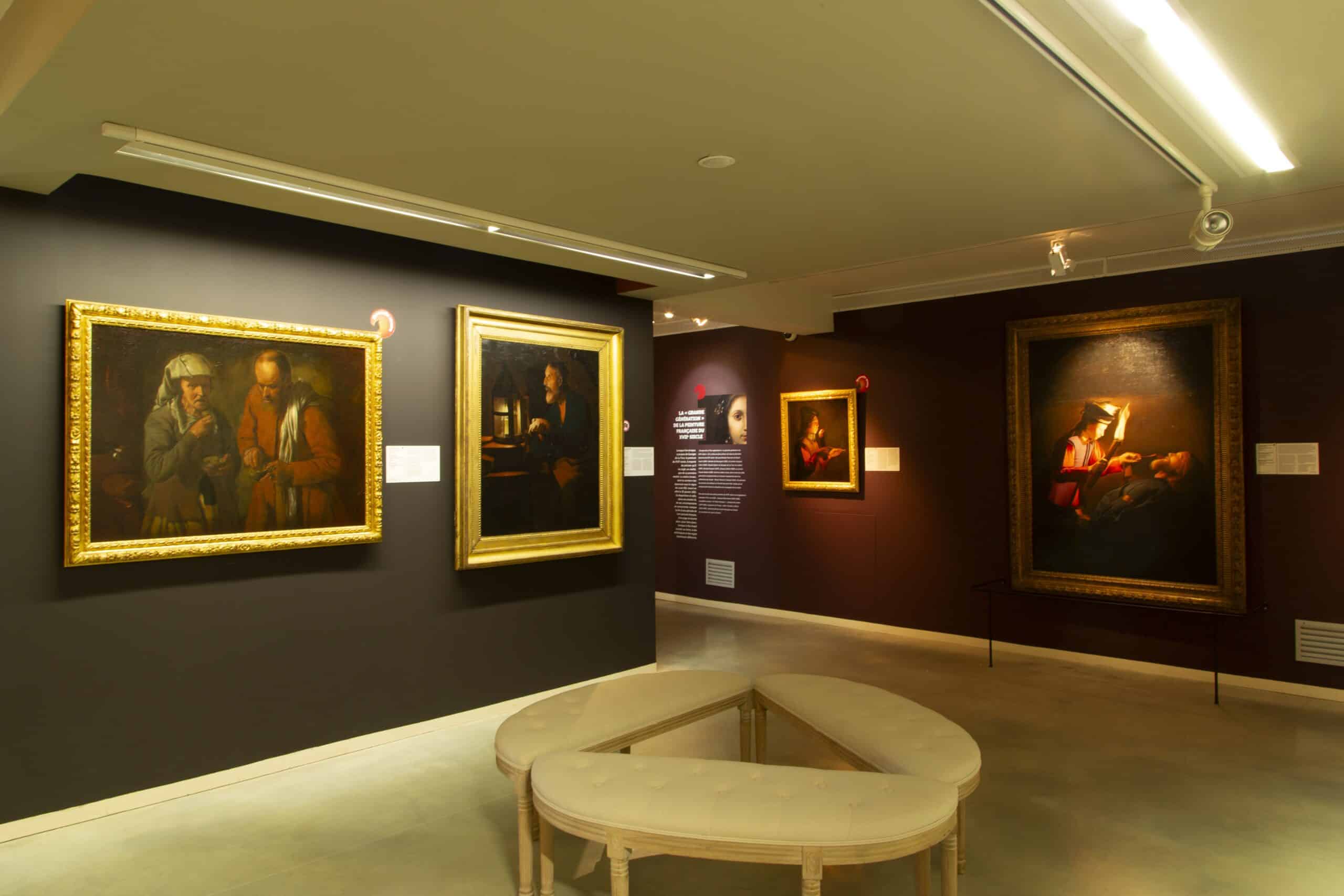
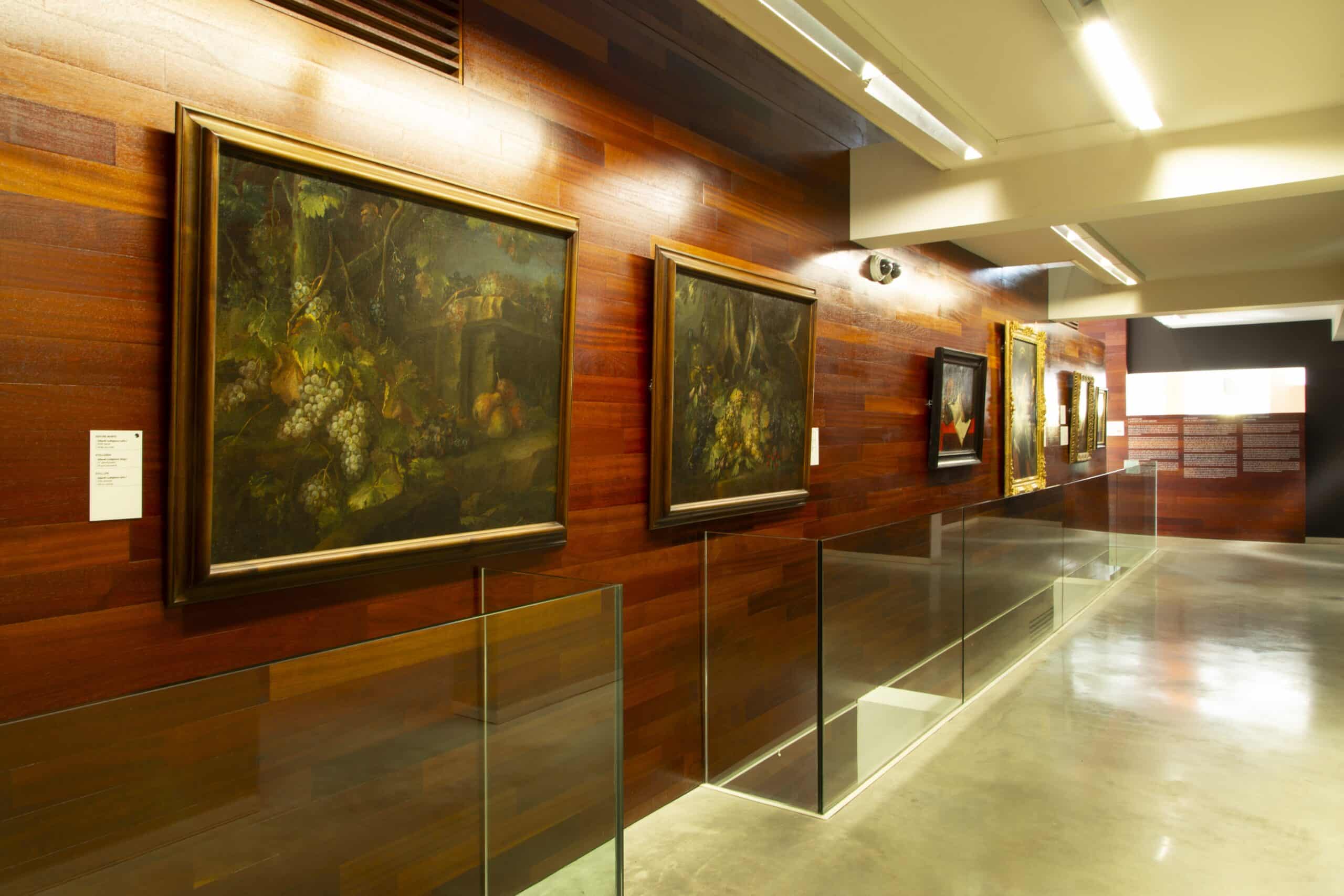
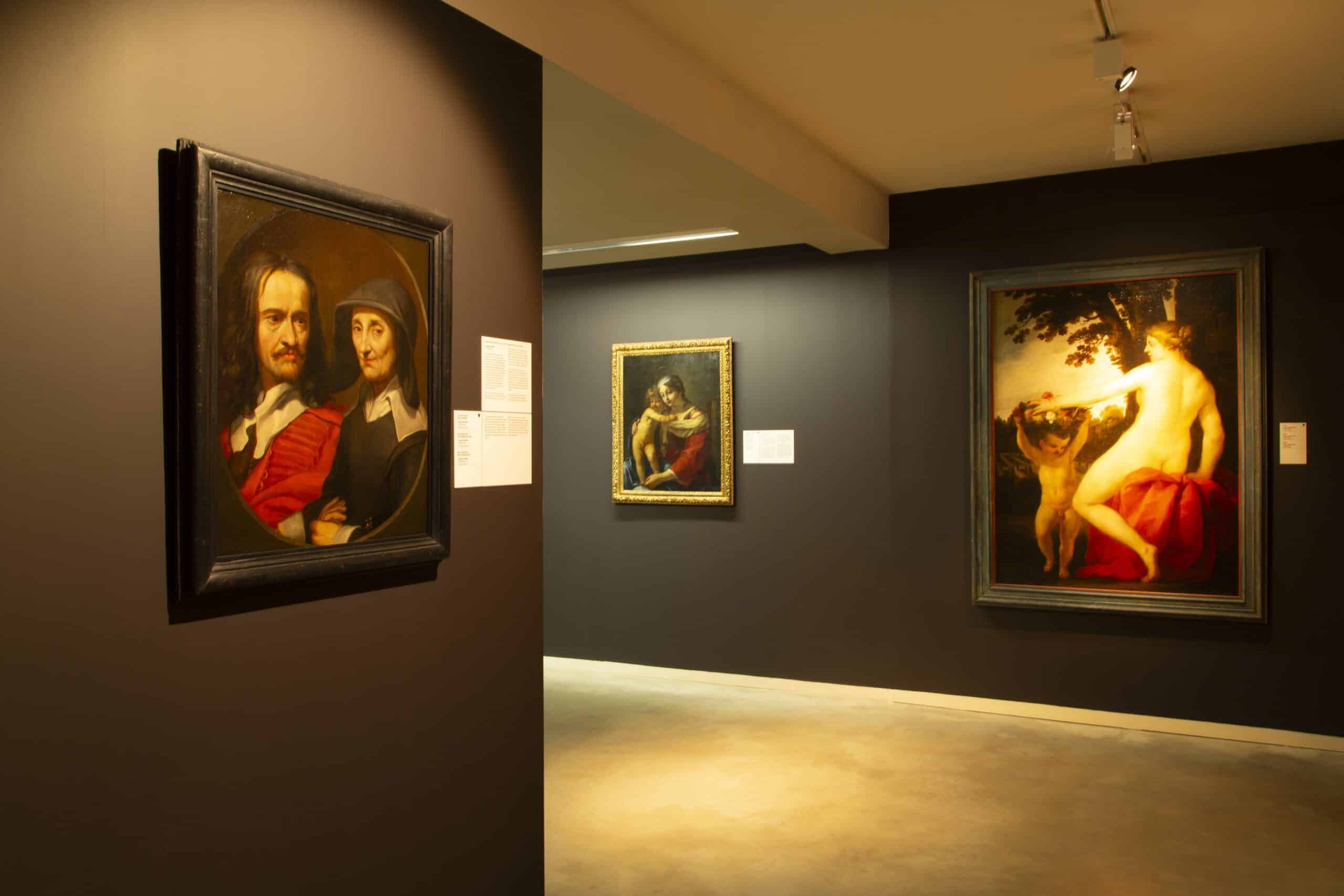
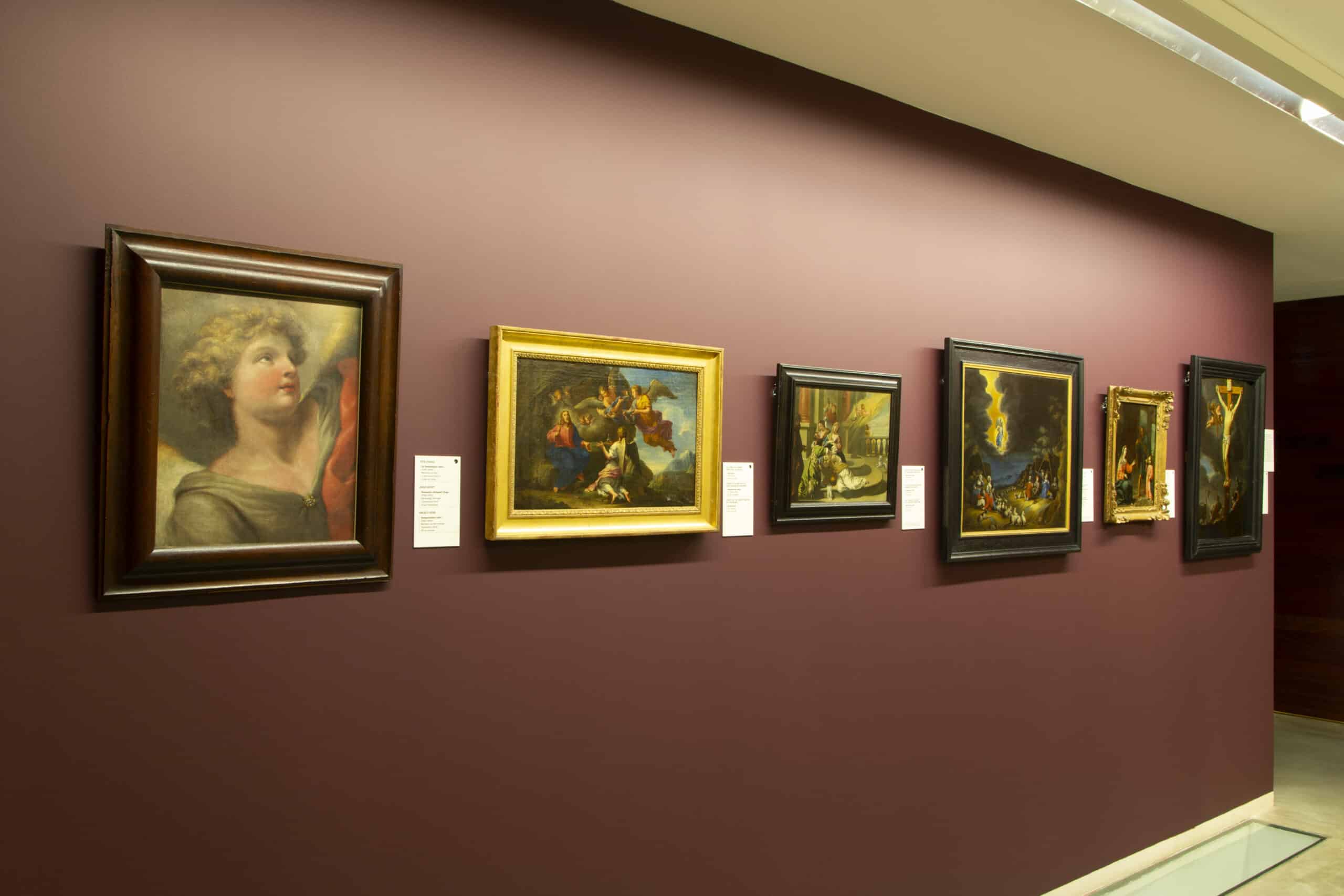
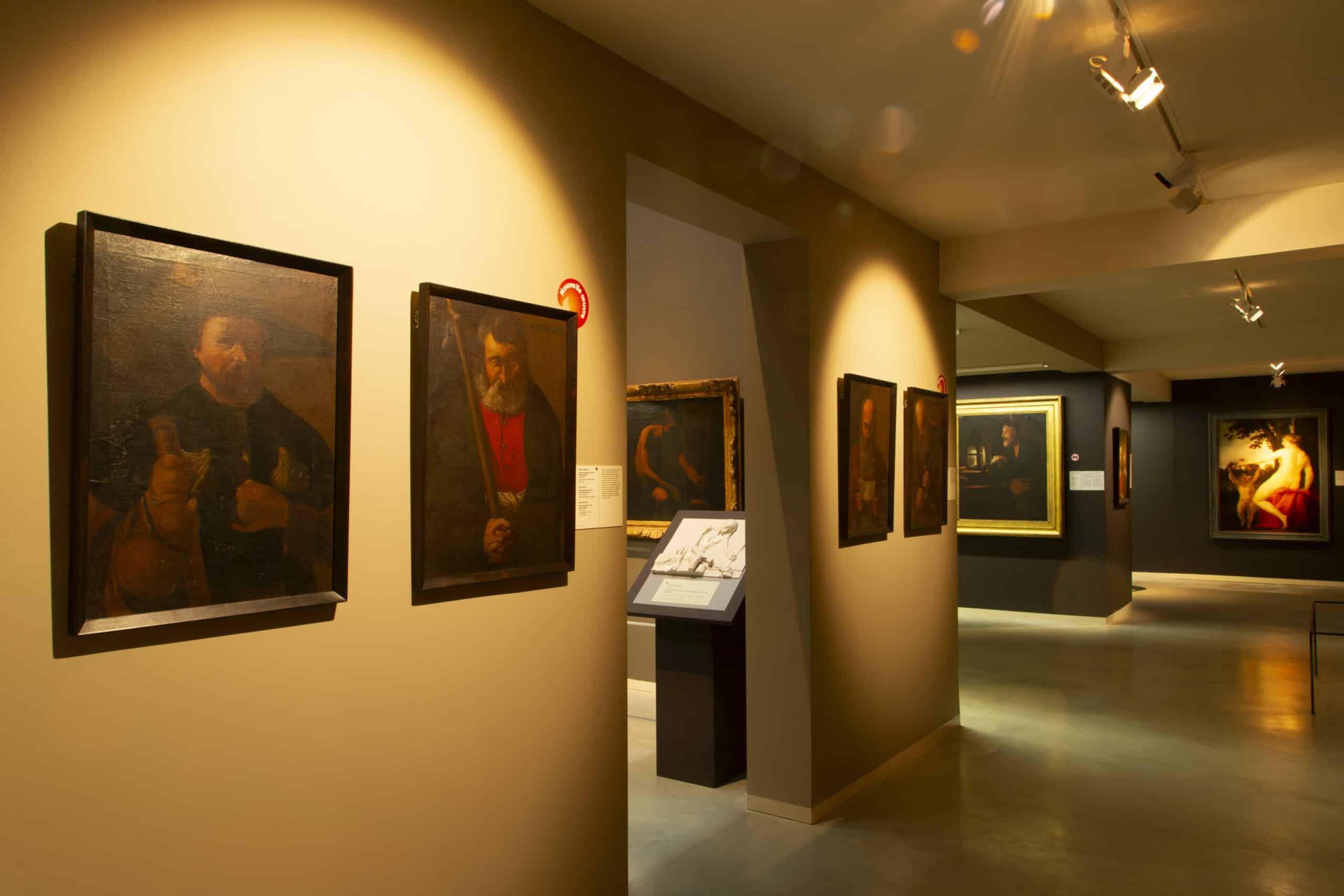
Over an area of nearly 1,000 m², visitors discover the collections divided by period: 17th century painting on the first floor, landscapes and works from the 18th to the second, then romanticism and creations from the 19th and early 20th centuries on the upper floors.
The Thuillier brothers
Art historian Jacques Thuillier has written a large number of works on 17th century painters, including Nicolas Poussin, Georges de La Tour, the Le Nain brothers and Jacques Stella. He was also a great collector, as evidenced by the works presented at the Georges de La Tour Departmental Museum.
In 1998, Jacques and Guy Thuillier made a large donation to the Department of Moselle, in favor of the museum. This gesture, heir to the patrons of yesteryear, made it possible to bring together important painters in this place, such as Georges de La Tour, Blanchard, Stella and Le Brun.
Saint John the Baptist in the desert
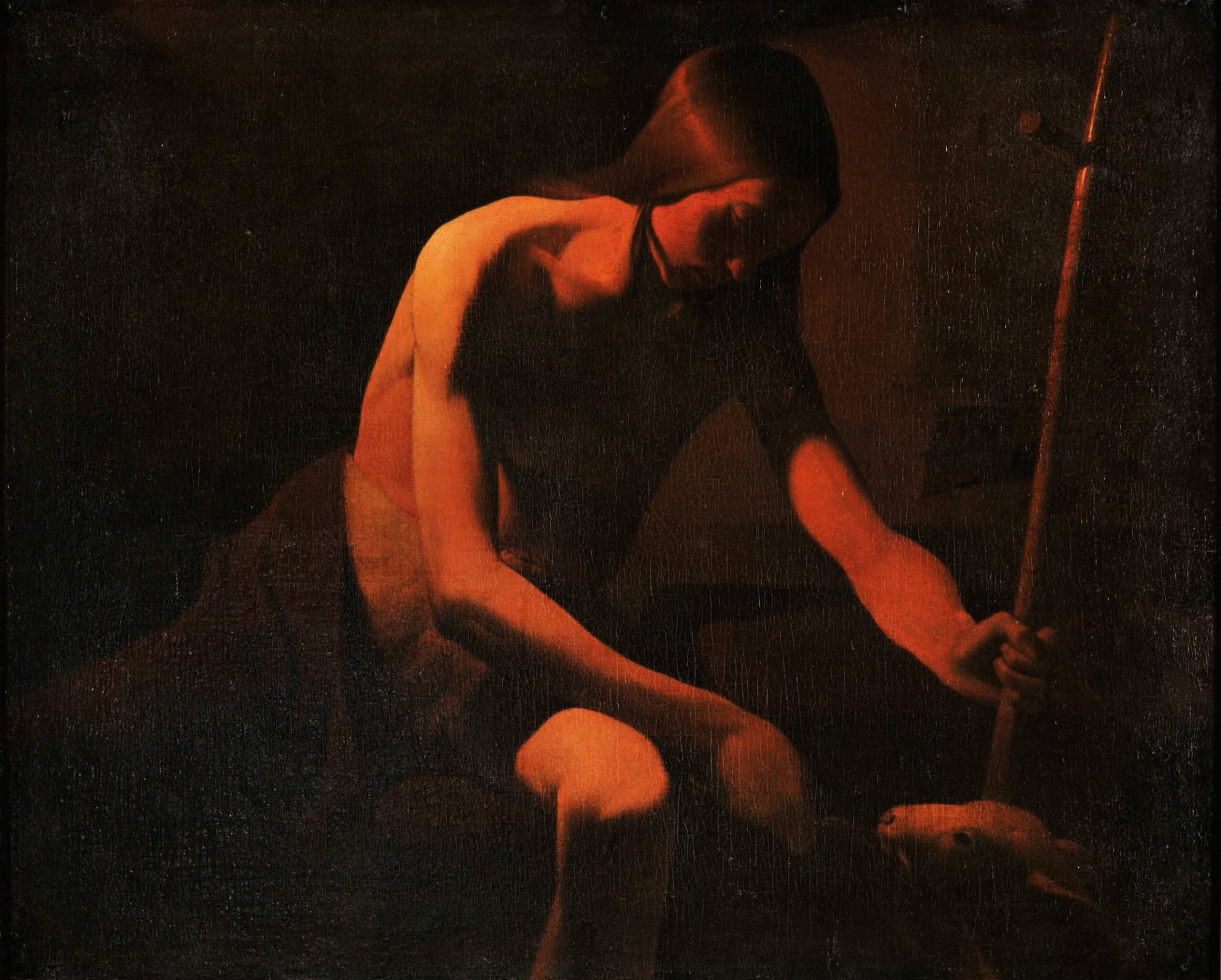
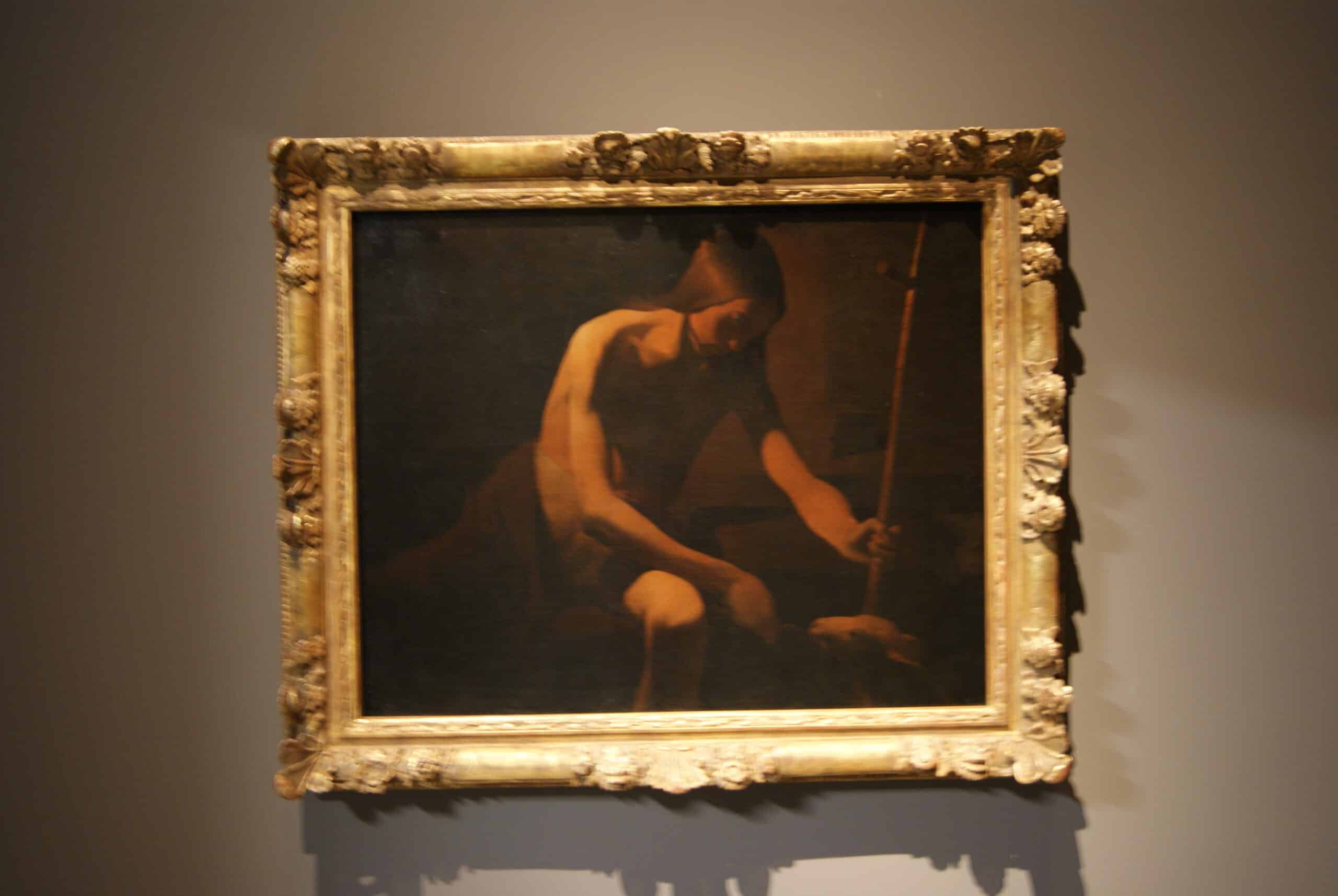
Saint John the Baptist in the Desert is an oil on canvas 81 cm high by 1.01 meters wide. Declared a national treasure, this work, the exact provenance of which remains unknown, was discovered in November 1993 at a private home in Paris during an exhibition preceding a sale at the Hôtel Drouot. Withdrawn from sale, then banned from leaving French territory, the State preempted it for the Department of Moselle.
Saint John the Baptist in the Desert, quickly recognized as a major work by specialists, shows young John the Baptist leaning on a long cross, feeding his lamb in the darkness of a rock. The scene, framed at half-length, lit by an invisible light that we imagine coming from a candle or a torch, is a unique example among the nocturnal paintings of Georges de La Tour. The simplicity of the shapes and the retention of colors suggest that this is one of his final paintings, produced around 1650-1652. The discovery of this painting marked a turning point in the rediscovery of the artist. Since the pioneering study of Hermann Voss in 1915, each work found has contributed to revealing one of the most original painters in French painting.
Woman profile
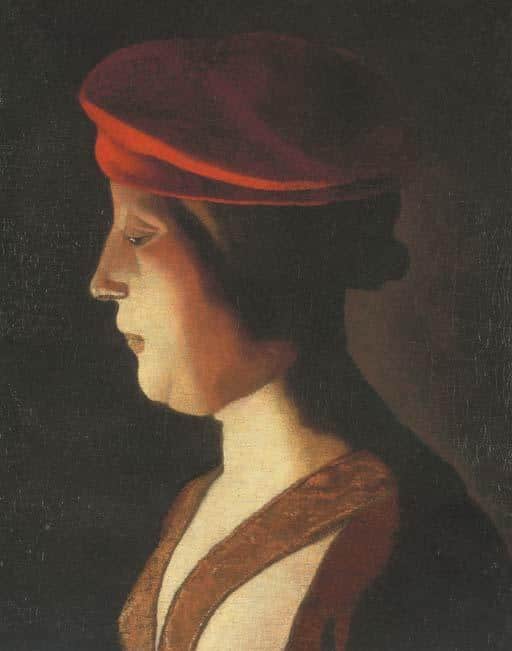
In 1930, art historian Vitale Bloch discovered this painting in the Fischmann collection in Munich. The Department of Moselle acquired it in 2004 by asserting the right of pre-emption for the Georges de La Tour museum where it is exhibited.
This painting bears the marks of a fairly complex story, Profile of a Woman is in reality a fragment of a larger painting. Why this mutilation? There is nothing to know the cause, it is a fairly common practice for the works of Georges de La Tour. This painting represents a young woman in profile, wearing a red cap, lit by a source of light below, which she looks at with tenderness. As with other works by the master, the painting retains an element of mystery: its exact origin, the reason for its mutilation and its place in a larger painting remain unknown.
Pea eaters
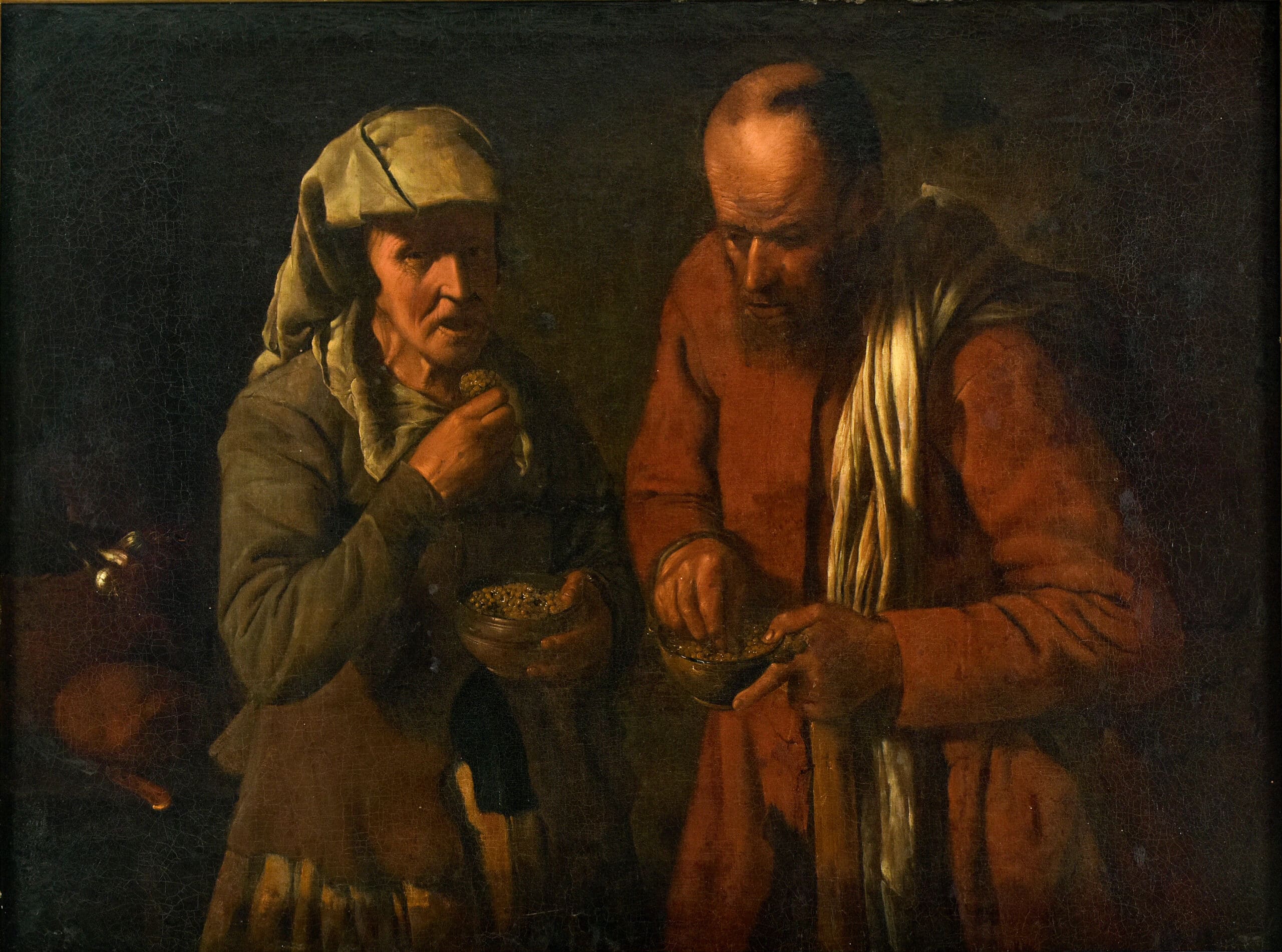
This is a painting which corresponds to the artist's first years some time after his installation in Lunéville.
In June 2021, the Department of Moselle acquired an old copy of this composition at an auction. The painting was then entrusted to the expert hands of specialists from the Center for Research and Restoration of Museums of France (C2RMF) who then carried out a real scientific investigation in order to better understand the material history of the work and restore it.
See the history of its restoration: 🔗 Meet the catering professionals of the Pea Eaters of Vic-sur-Seille (12 minutes)
Saint Sebastian with the lantern
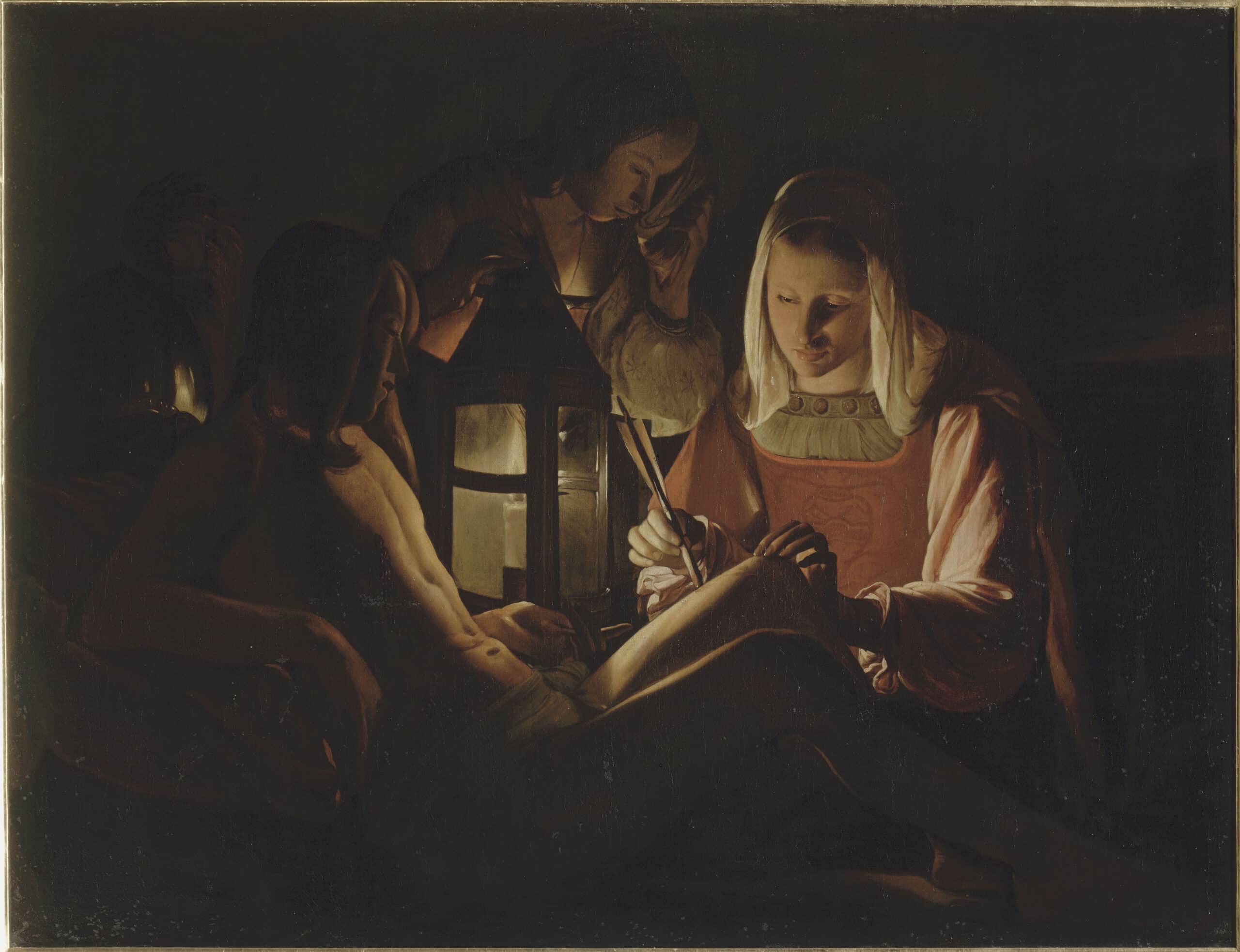
Since September 2024, visitors can also admire the old copy of a lost original by Georges de La Tour: Saint Sebastian with the Lantern or Saint Sebastian cared for by Irene. It was generously deposited by the family who owned it, and is one of the preserved copies –of great finesse of execution – of a lost original by Georges de La Tour.
Invoked against the plague, Saint Sebastian was the subject of particular devotion in Lorraine at the time of Georges de La Tour and it is therefore not surprising that the latter attached himself to the tradition of martyrdom popularized by The Golden Legend of Jacques de Voragine from the 13th century.
Georges de La Tour: a Lorraine painter with a unique destiny
Son of a baker, born in Vic-sur-Seille in 1593, Georges de La Tour is an artist as fascinating as he is mysterious. His training as a painter still remains obscure today, but his talent quickly led him to court: in 1639, he became ordinary painter to King Louis XIII. Married to Diane Le Nerf, he moved to Lunéville, where he worked with his son Étienne. He died in this city in 1652. Forgotten for almost three centuries, his name only resurfaced in the 20th century, when historians rediscovered his works and reestablished his place among the great masters of the 17th century, alongside Nicolas Poussin and the Le Nain brothers.
His main works
Today, around forty original works by Georges de La Tour have been identified, some with hesitation. Around fifteen other paintings are only known from faithful old copies. French museums have eighteen paintings by Georges de La Tour. In Lorraine, five authentic paintings are preserved:
• The Old Man in the Bag (Remiremont)
• The Flea Woman and Job mocked by his wife (Nancy)
• Saint John the Baptist in the desert and Woman profile (Vic-sur-Seille).
There are also several masterpieces at the Louvre, such as Saint Sebastian Healed by Irene or The Cheater with the Ace of Diamonds.
The master of the nights
Georges de La Tour is often nicknamed the painter of nights. His most famous paintings, such as The Newborn or The Penitent Madeleine, are bathed in the soft glow of a candle. In addition to religious scenes, he was also interested in daily life: gamblers, beggars, old men... Inspired by Caravaggio, he adopts chiaroscuro, but in his own way: his light is calm, spiritual, silent, more meditative than dramatic. In his latest works, he simplifies forms and focuses everything on the essential: light and meaning.
The rediscovery of the artist
Long forgotten, Georges de La Tour was reborn thanks to the passion of historians like Hermann Voss and François-Georges Pariset. From the middle of the 20th century, any prestigious collection had to have at least one La Tour. Even today, his work is intriguing: between mystery, spirituality and realism, La Tour remains a major figure in French painting, a timeless artist whose light continues to question and inspire.
Exchanges and loans
Exchanges and loans between museums play an essential role in promoting heritage. They allow the works to travel, to compare them with other collections and to offer the public new readings. These loans also promote collaboration between institutions, the sharing of knowledge and the pooling of resources for research, restoration or conservation. Finally, they help to promote artists and territories, by making works accessible to a wider audience, beyond their place of origin.
The latest acquisitions since 2021
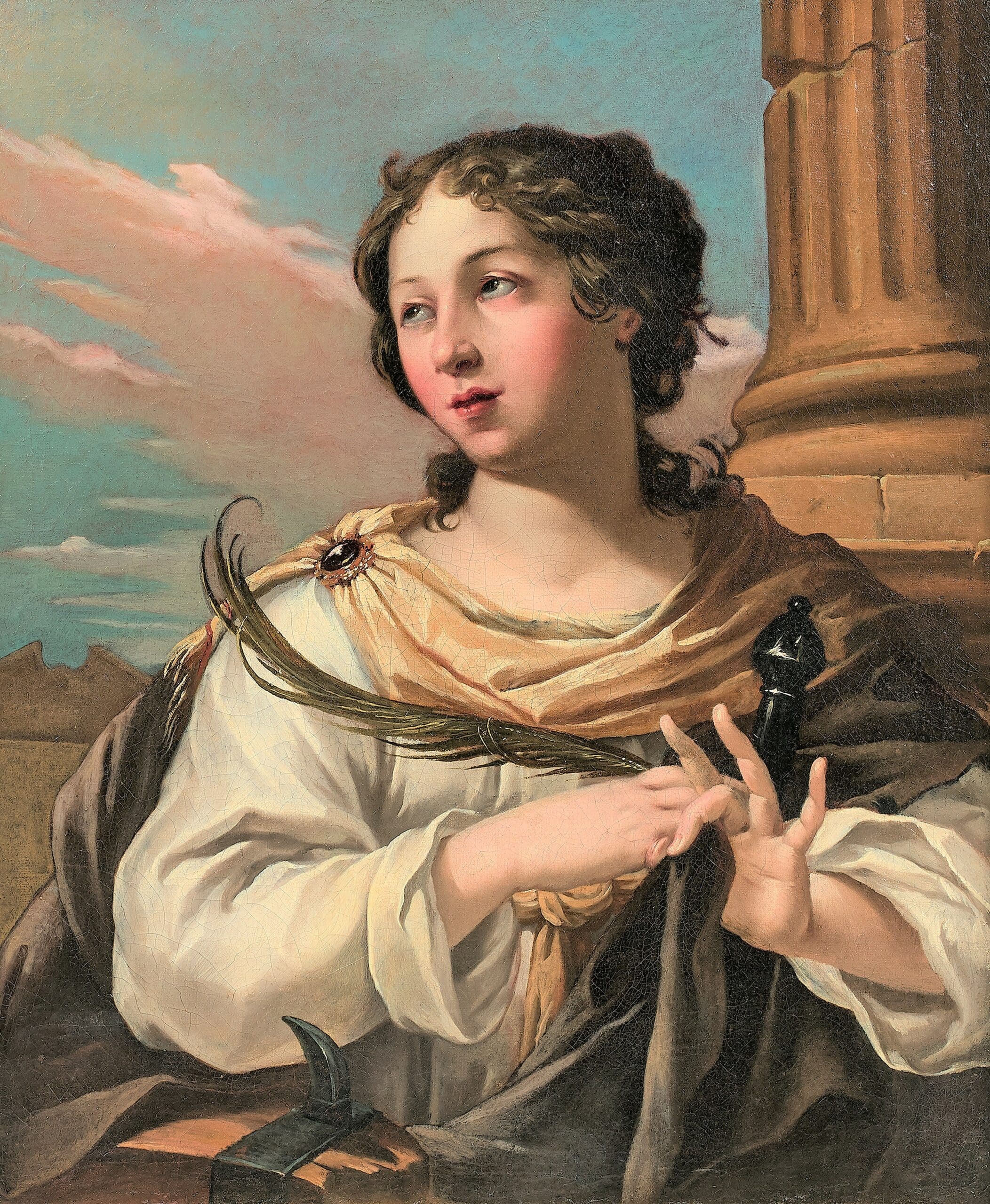
New acquisitions have enriched the museum's collections since 2021:
– The Pea Eaters, workshop by Georges de La Tour (2021);
– Georges quick to soup, workshop by Georges Lallemant (2021);
– Saint Catherine of Alexandria, attributed to a Vicois artist, contemporary of Georges de La Tour, Charles Poerson (2022);
– Four Apostles, anonymous copies after Georges de La Tour (2023);
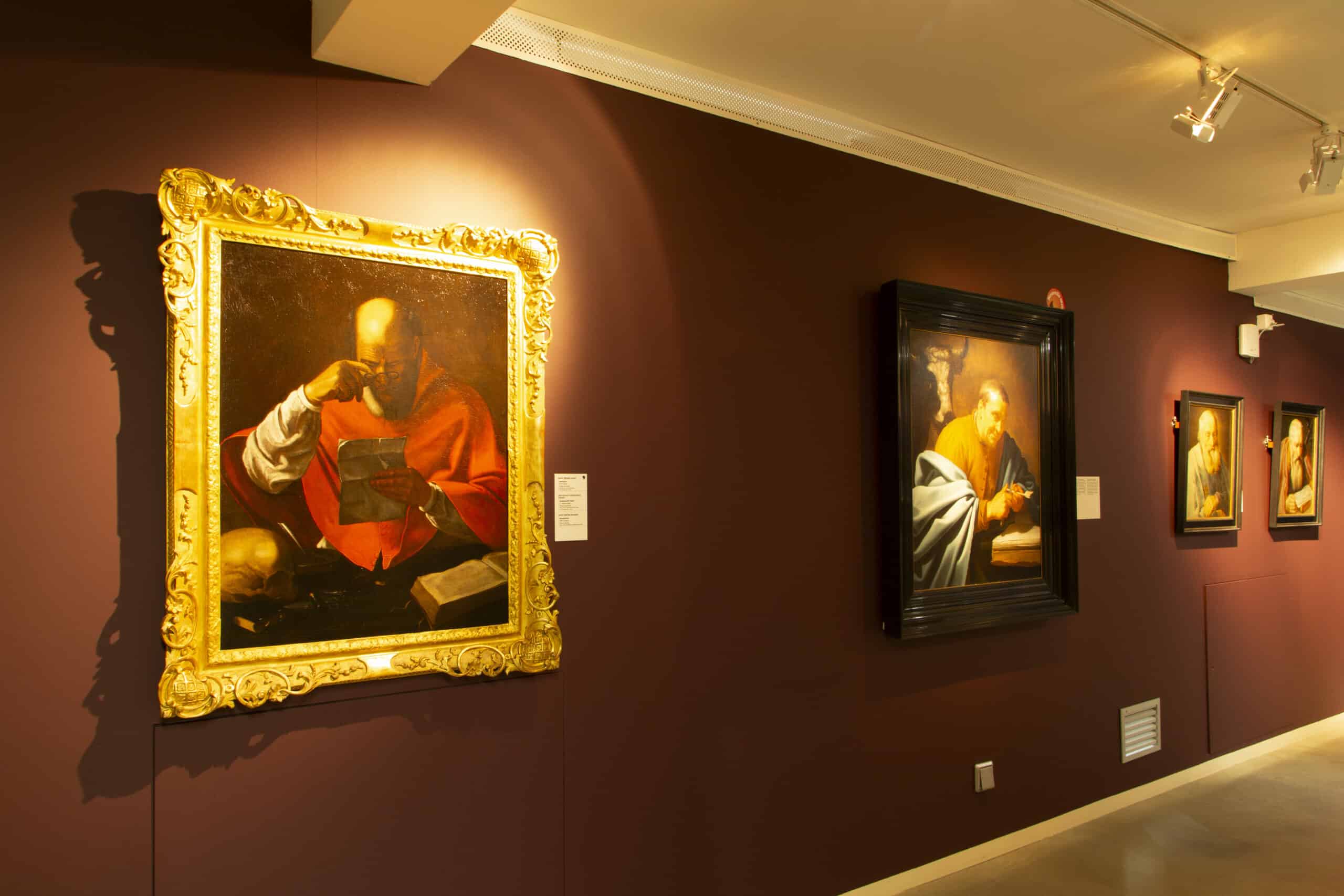
– Saint Luke the Evangelist, Jan van Bijlert (2023).
One loan and several deposits
Also note the loan of a painting after Georges de La Tour The Discovery of the Body of Saint Alexis by the Palace of the Dukes of Lorraine – Lorraine Museum.
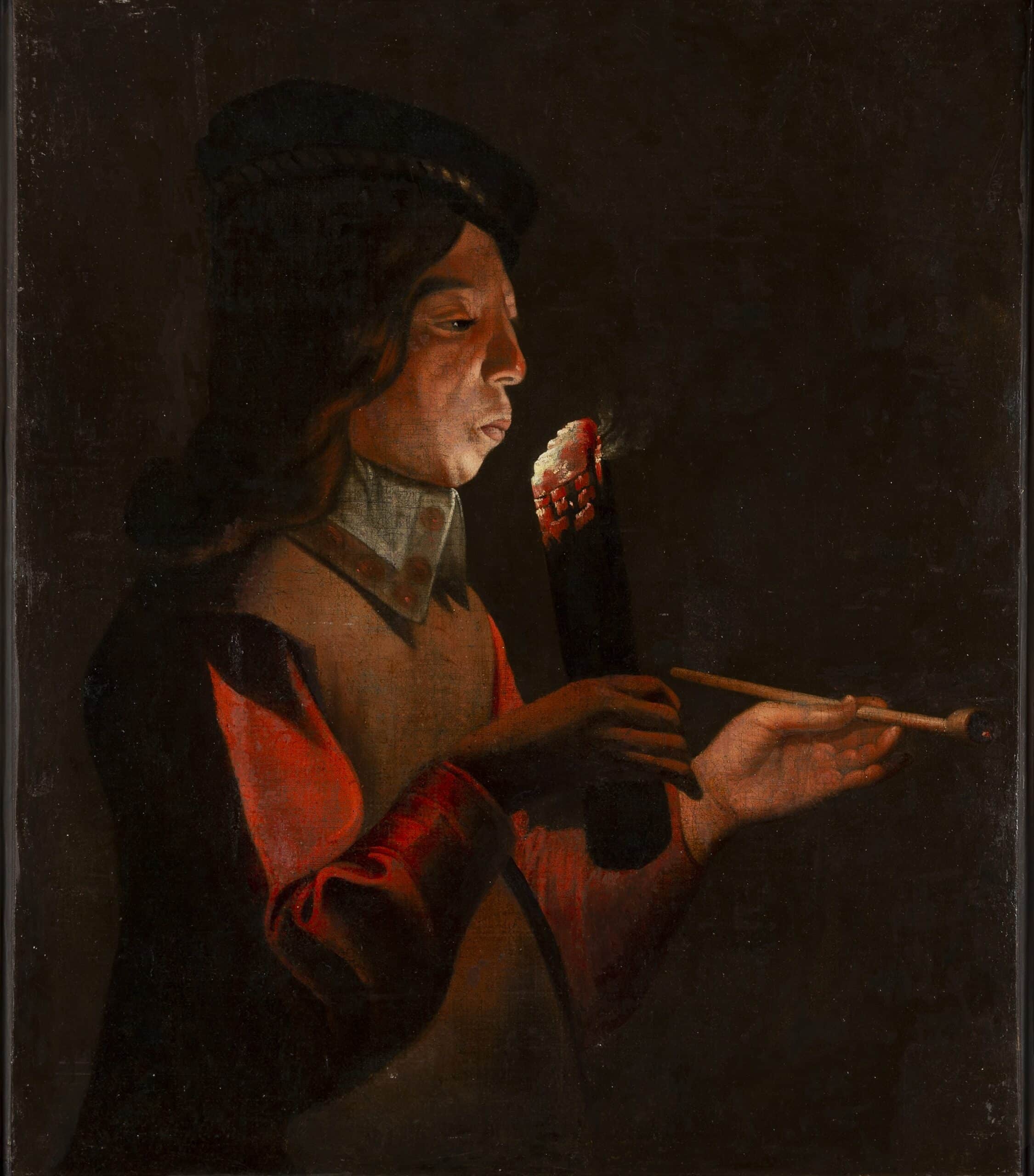
The Museum also presents three deposits after Georges de La Tour from private collections: Les Larmes de Saint Pierre (2019), le Souffleur à la pipe (2023) and a Saint Sébastien à la lanterne (2024) as well as a deposit of six works from the Department of Ancient and Contemporary Art Museum in Epinal.
In pictures

Full price 7€
Reduced price 5€
Free – 12 years old and people with reduced mobility and their accompanying person.
February 7 to December 13
Tuesday to Sunday and public holidays: 9:30 a.m. to 12:30 p.m. – 1:30 p.m. to 6 p.m
(Closed Mondays and May 1)