

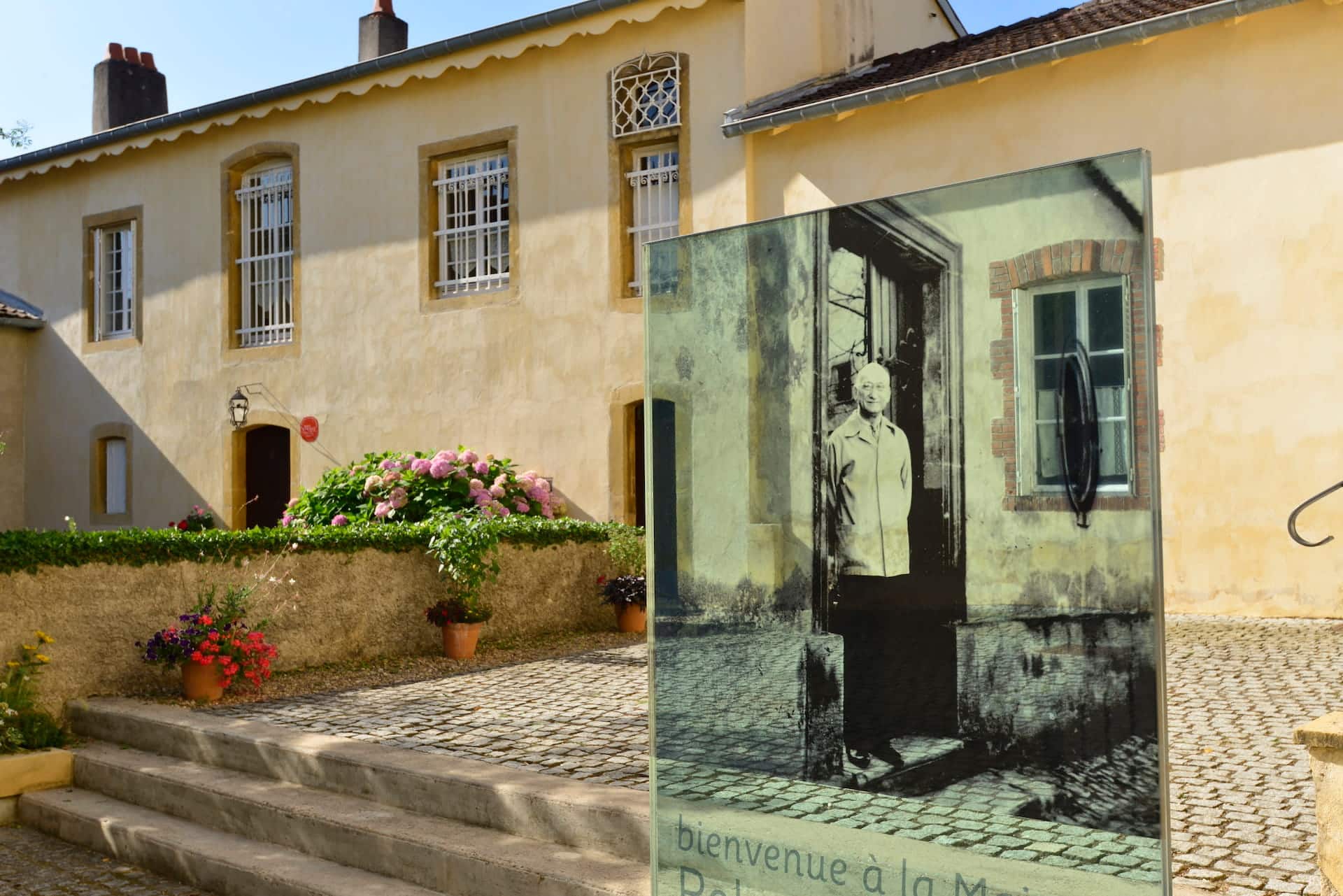
Cradle of the history of European construction
Introduction
Immerse yourself in the intimate and historical world of one of the Founding Fathers of Europe: Robert Schuman. Labeled "European Heritage" and "Maison des Illustres", this residence from the end of the 18th century invites you to discover the daily life of the statesman who laid the foundations of the European Union. Throughout your visit, explore the gardens, so dear to Robert Schuman, and treat yourself to a break of serenity in the heart of this green setting. In a modernized museum space, you will discover how the visions and values of the founders have shaped today's Europe, united around common principles. The course also immerses you in contemporary issues facing the European Union, addressing issues like Brexit, which are shaping and redefining the future of Europe.
The events
Did you know?
The man, his journey
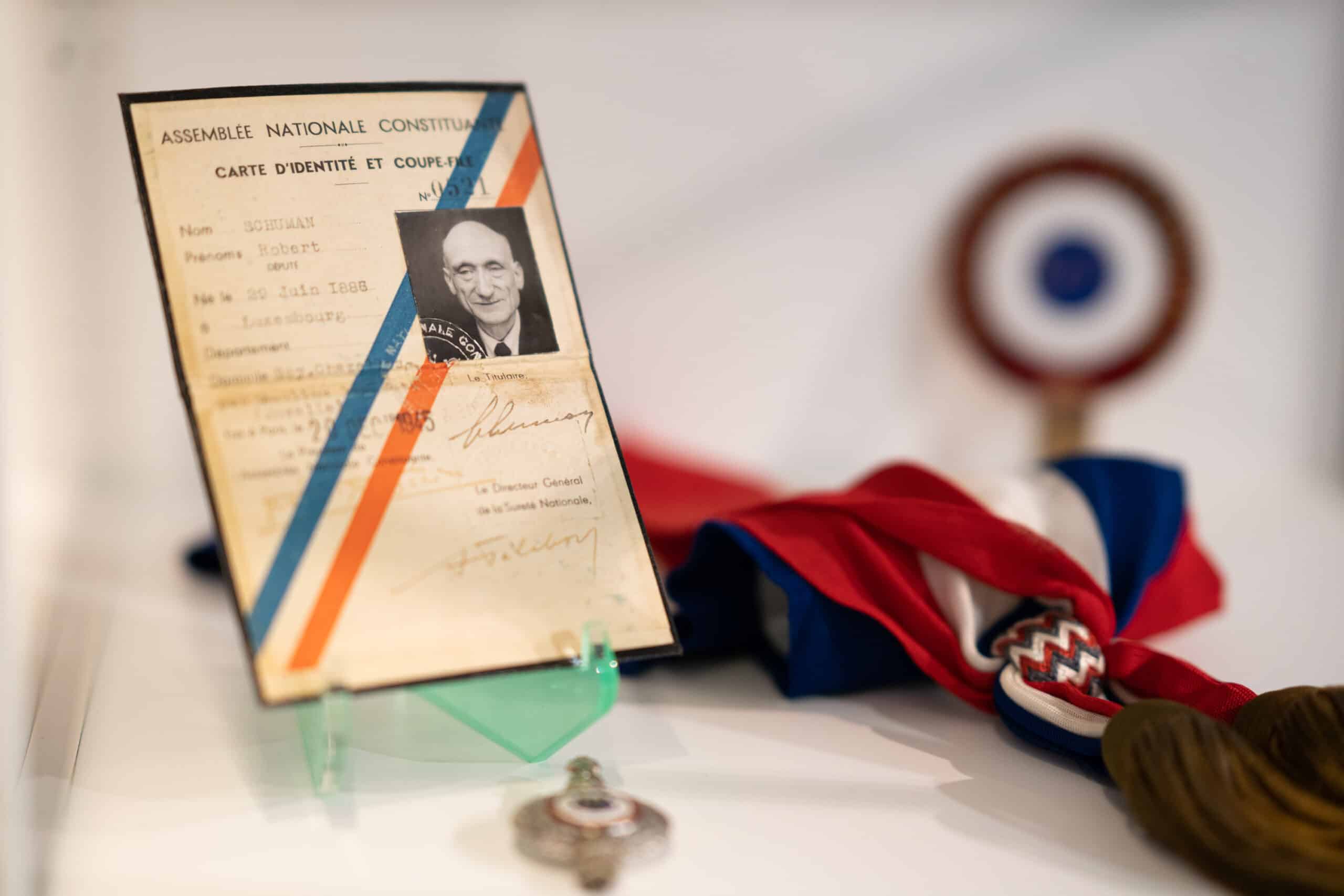
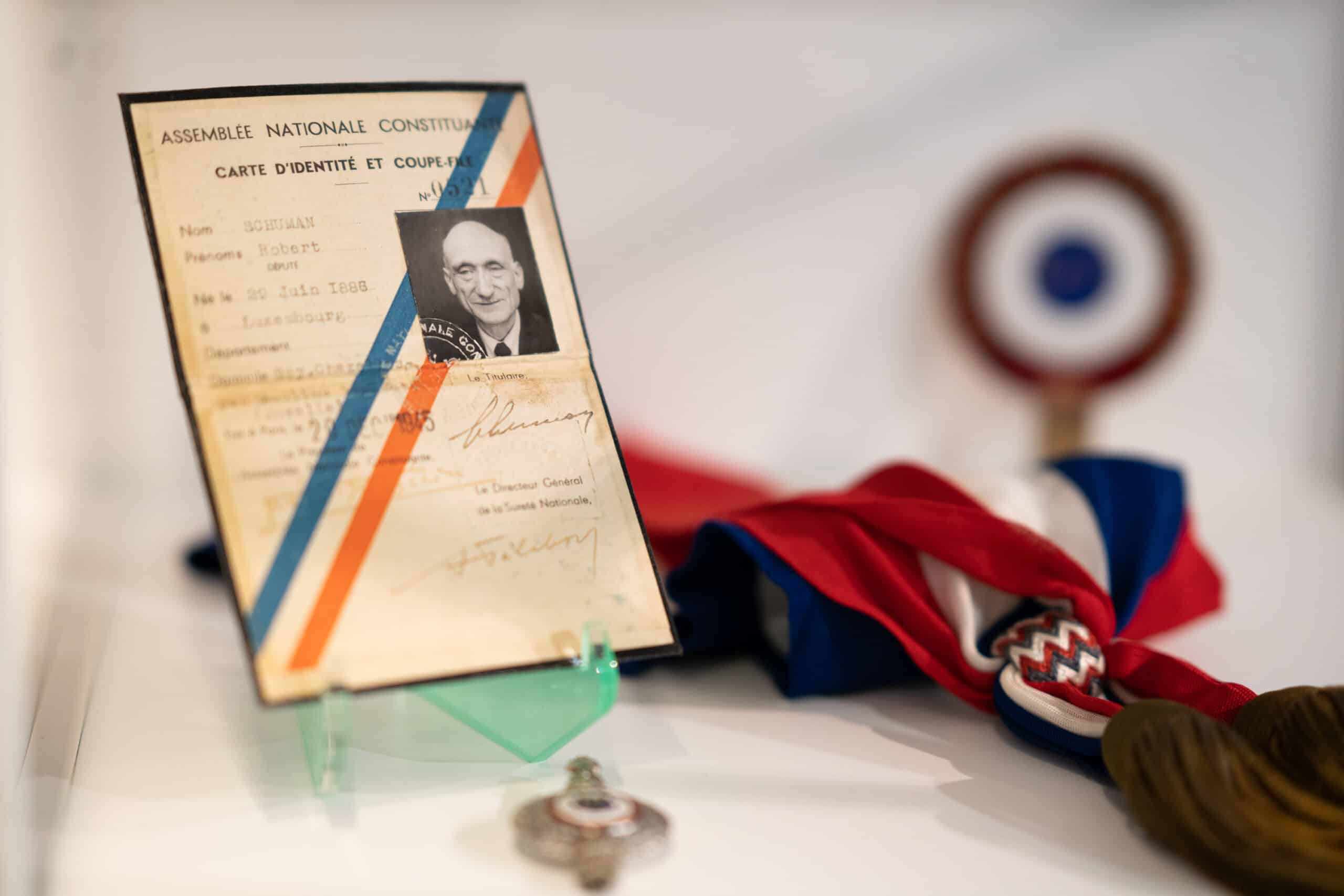
Robert Schuman was born on June 29, 1886, in Clausen, in the Grand Duchy of Luxembourg, to a Luxembourg mother and a Moselle father
A committed personality
At the start of the Second World War, Robert Schuman helped border populations find safety. In March 1940, the government of Paul Reynaud created the position of Undersecretary of State for Refugees for him, where he sat alongside Charles de Gaulle.
Far from political life since the summer of 1940, he returned to Scy-Chazelles before being arrested by the Gestapo in September. Imprisoned then placed under house arrest in Neustadt, he managed to escape in August 1942 and then lived in hiding, hidden in convents.
After the war, Schuman resumed his political career: Minister of Finance in 1946, President of the Council in 1947, then Minister of Foreign Affairs from 1948 to 1953, a period during which he became one of the major architects of European construction.
Father of Europe
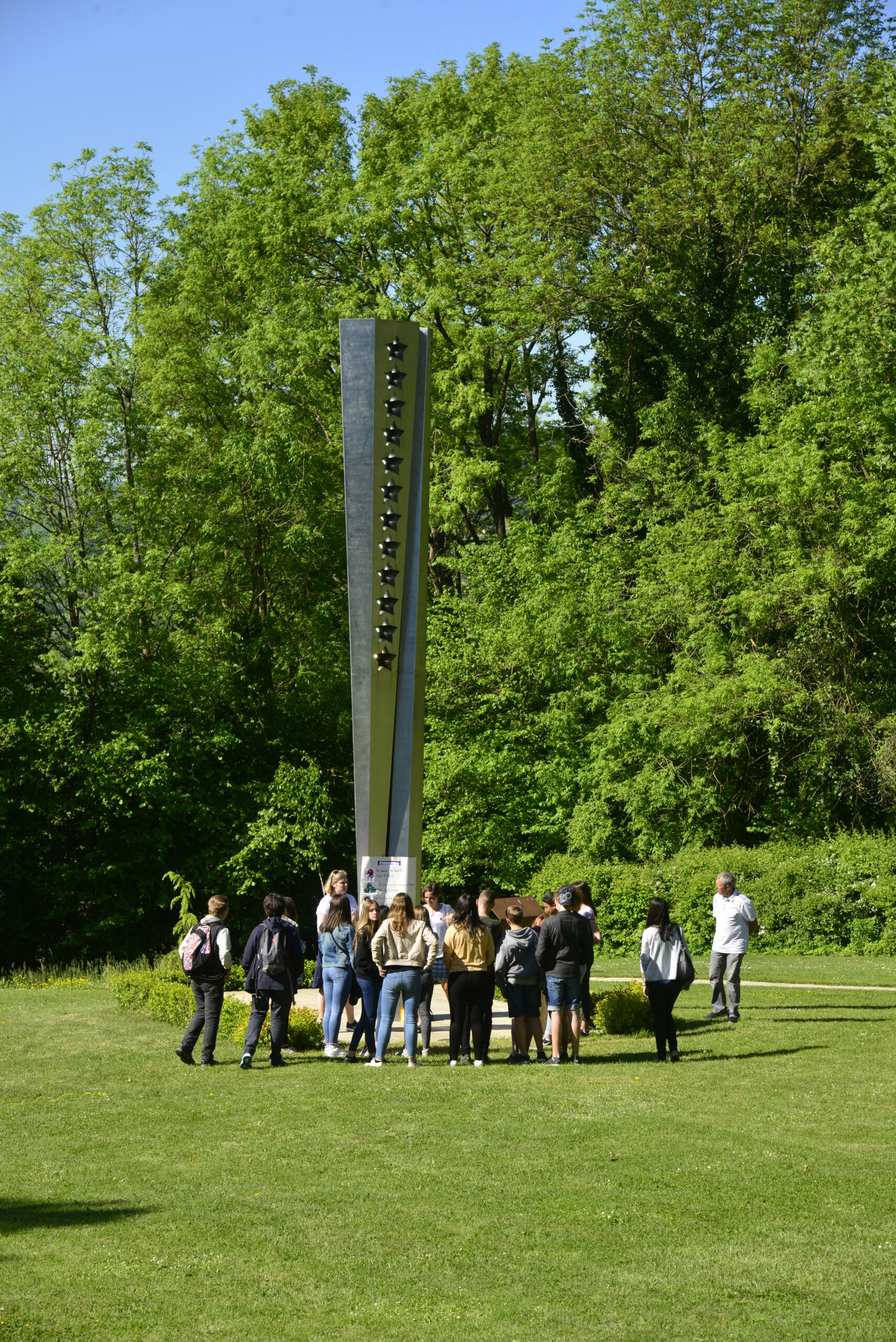
Robert Schuman involves France in the constitution of the Organization of European Economic Cooperation (OEEC). He negotiated with his European partners and the United States the Brussels Pact (1948) and the Atlantic Pact (1949), which led to the creation of the North Atlantic Treaty Organization (NATO) in 1952.
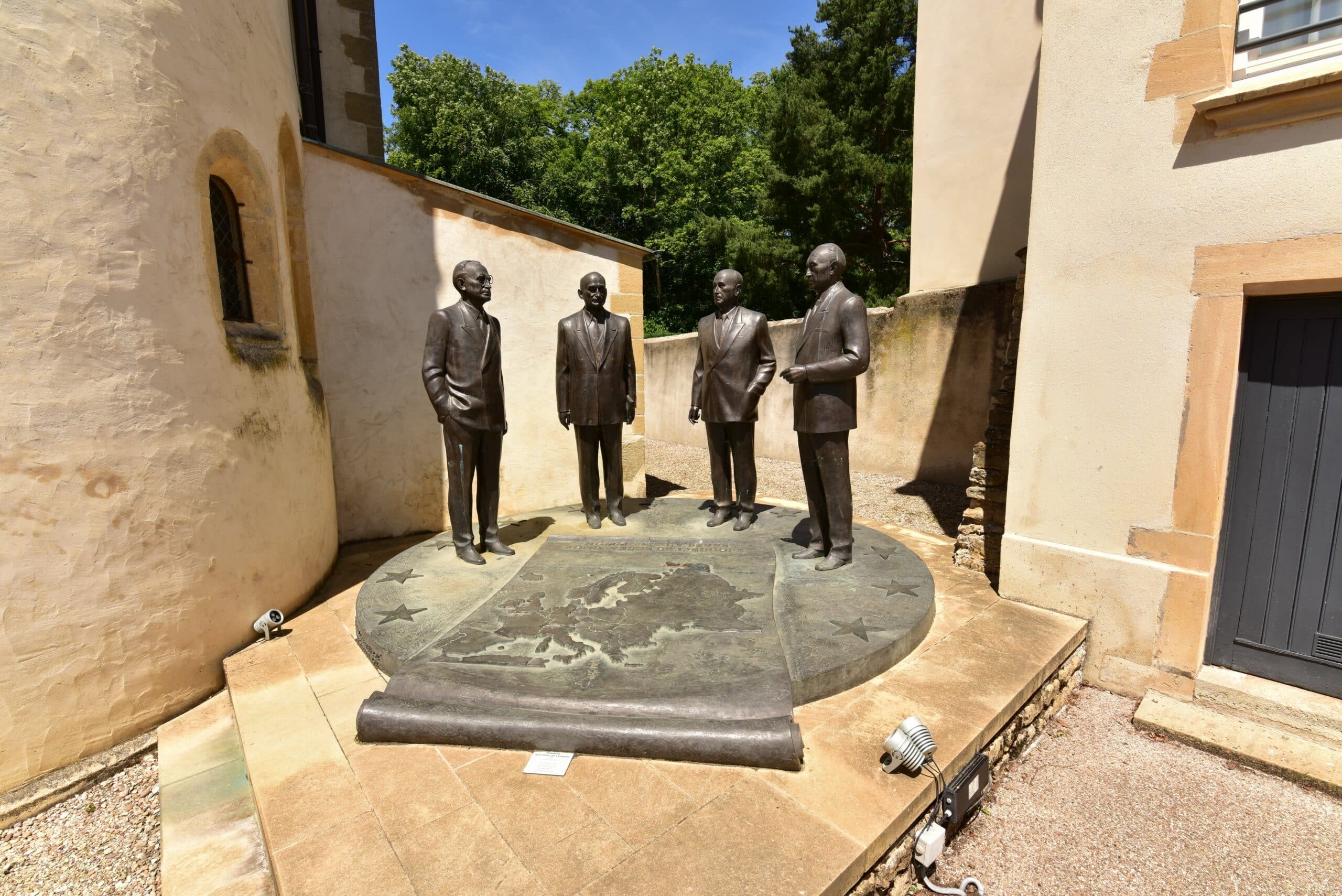
But it is above all the date of May 9, 1950 which will remain engraved in memories. That day, Robert Schuman made his famous declaration announcing the construction of Europe, based on an idea of Jean Monnet: to unify the production of coal and steel under a high supranational authority. This declaration will therefore be known as the "Schuman Plan" and often considered the first base of the European Union. Robert Schuman was then appointed first President of the European Parliamentary Assembly in March 1958, which later became the European Parliament. The same year, he received the Charlemagne Prize, symbol of his unifying work for Europe.
The legacy of Robert Schuman
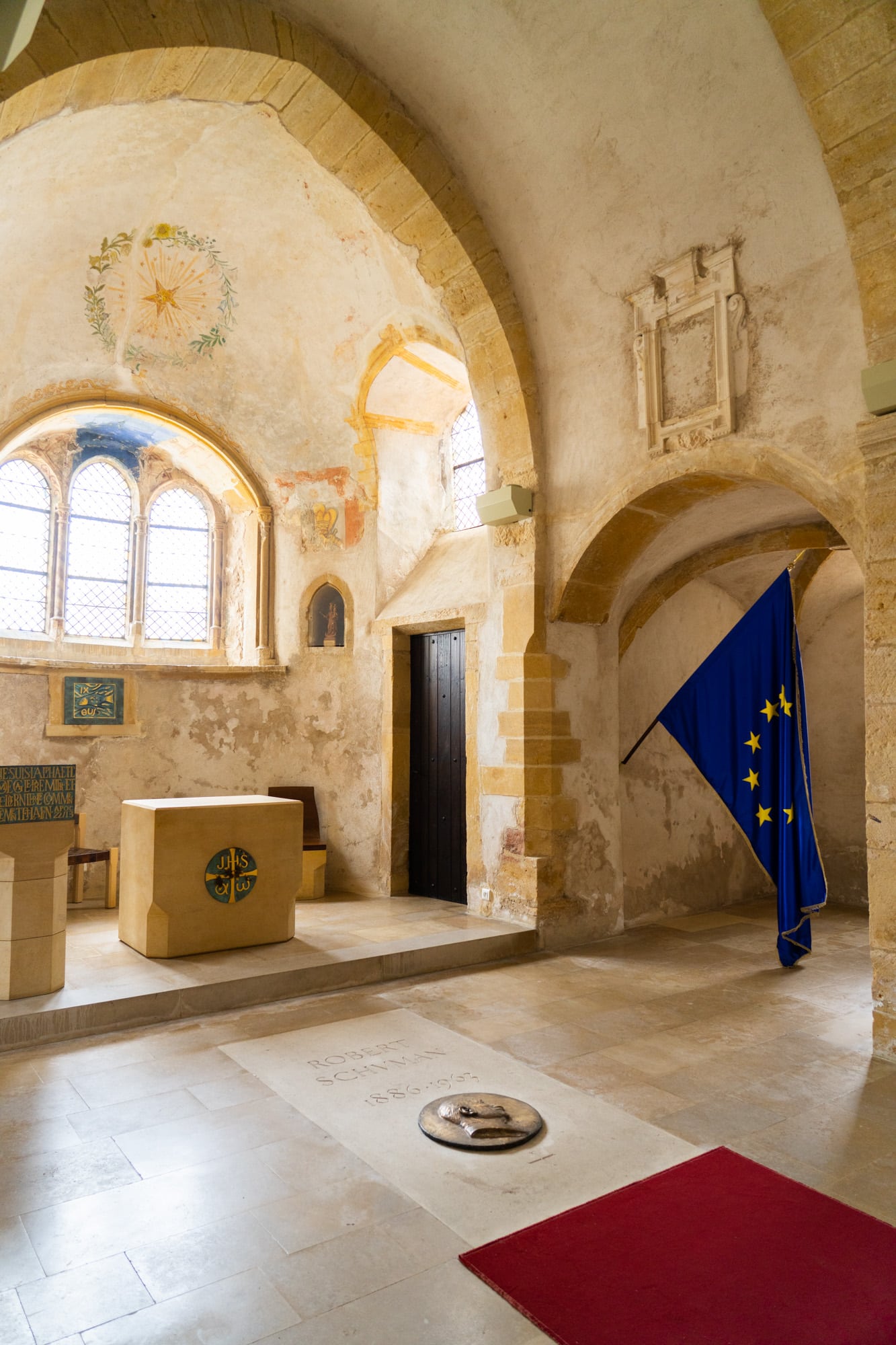
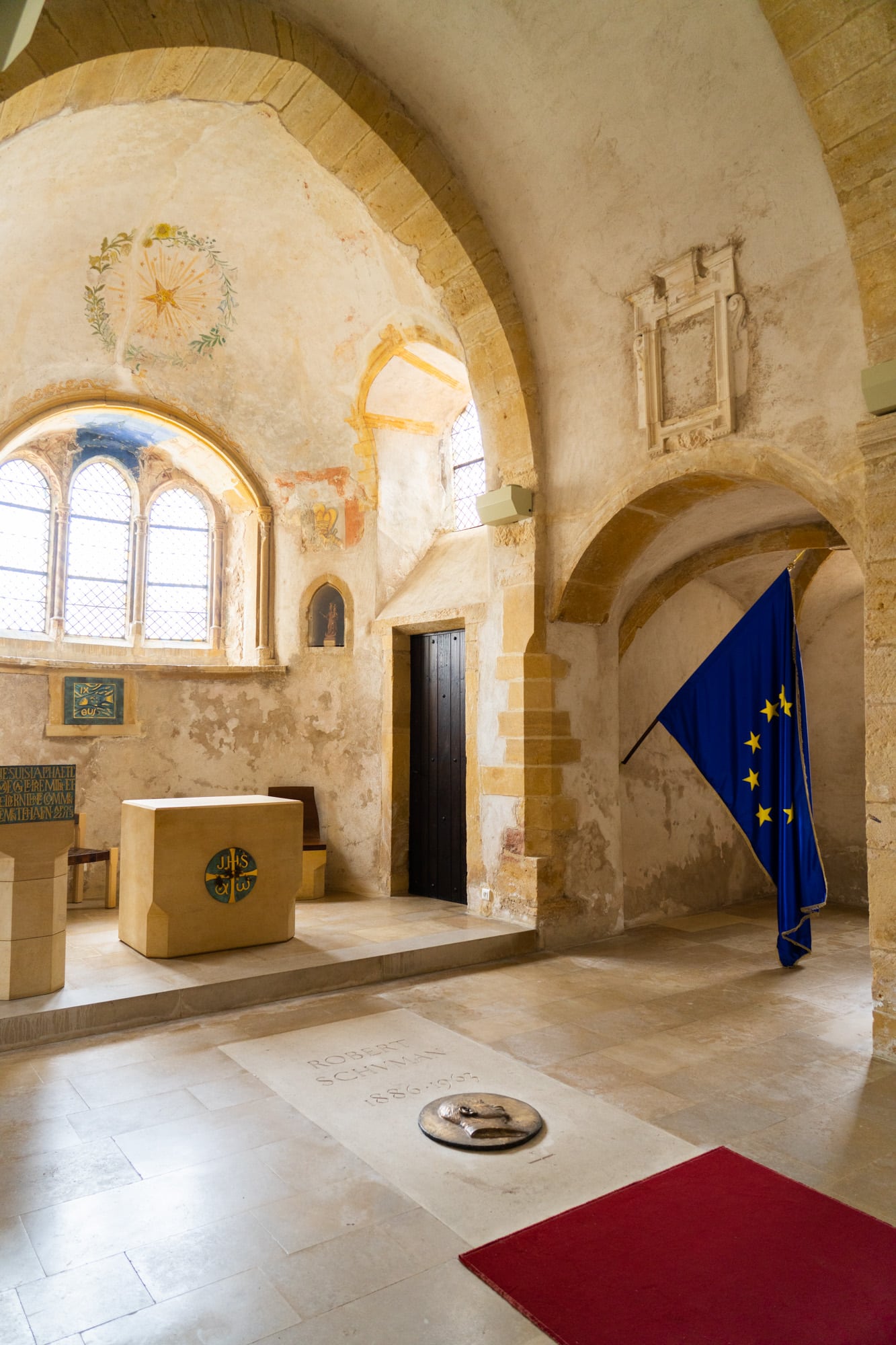
Suffering from progressive cerebral sclerosis, Robert Schuman retired to his house in Scy-Chazelles in 1960. He died there on September 4, 1963. Solemn funerals are celebrated at Metz Cathedral. He was buried in the Scy-Chazelles cemetery, then his body was transferred in 1966 to the town's fortified church.
A man of peace and conviction, Robert Schuman devoted his life to reconciliation between peoples. Its heritage still lives today through European construction, based on peace, democracy and dialogue between different countries. This vision continues to inspire European institutions and all those who believe in cooperation between peoples.
His ideas
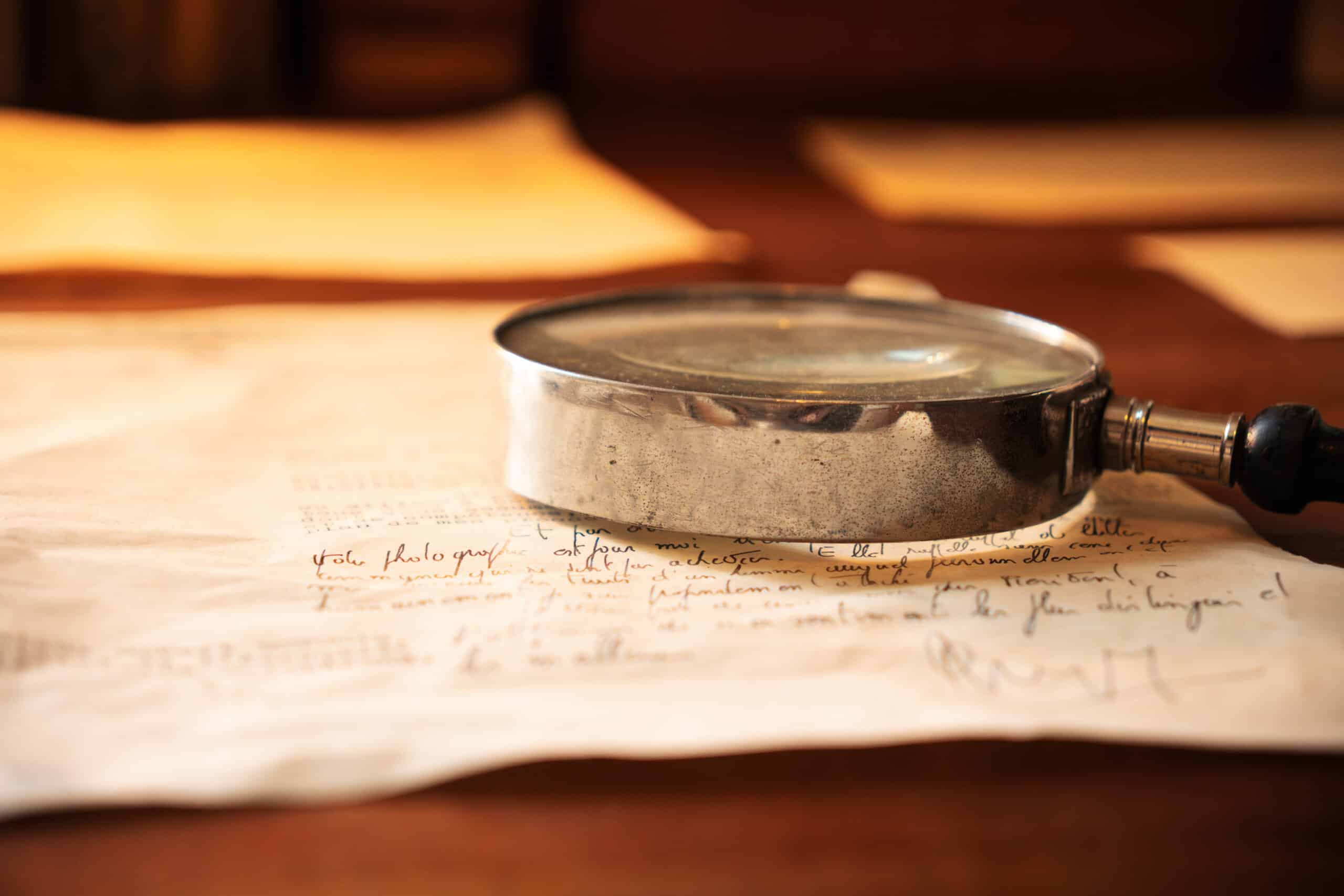
Once nationalism is defeated, it will be necessary to imagine new forms to unite Europe, because in the past, some had attempted it by force. Without sincere and definitive reconciliation between French and Germans, a peaceful Europe is unthinkable.
"Europe will not be created all at once, nor in an overall construction: it will be achieved through concrete achievements first creating de facto solidarity".
The House
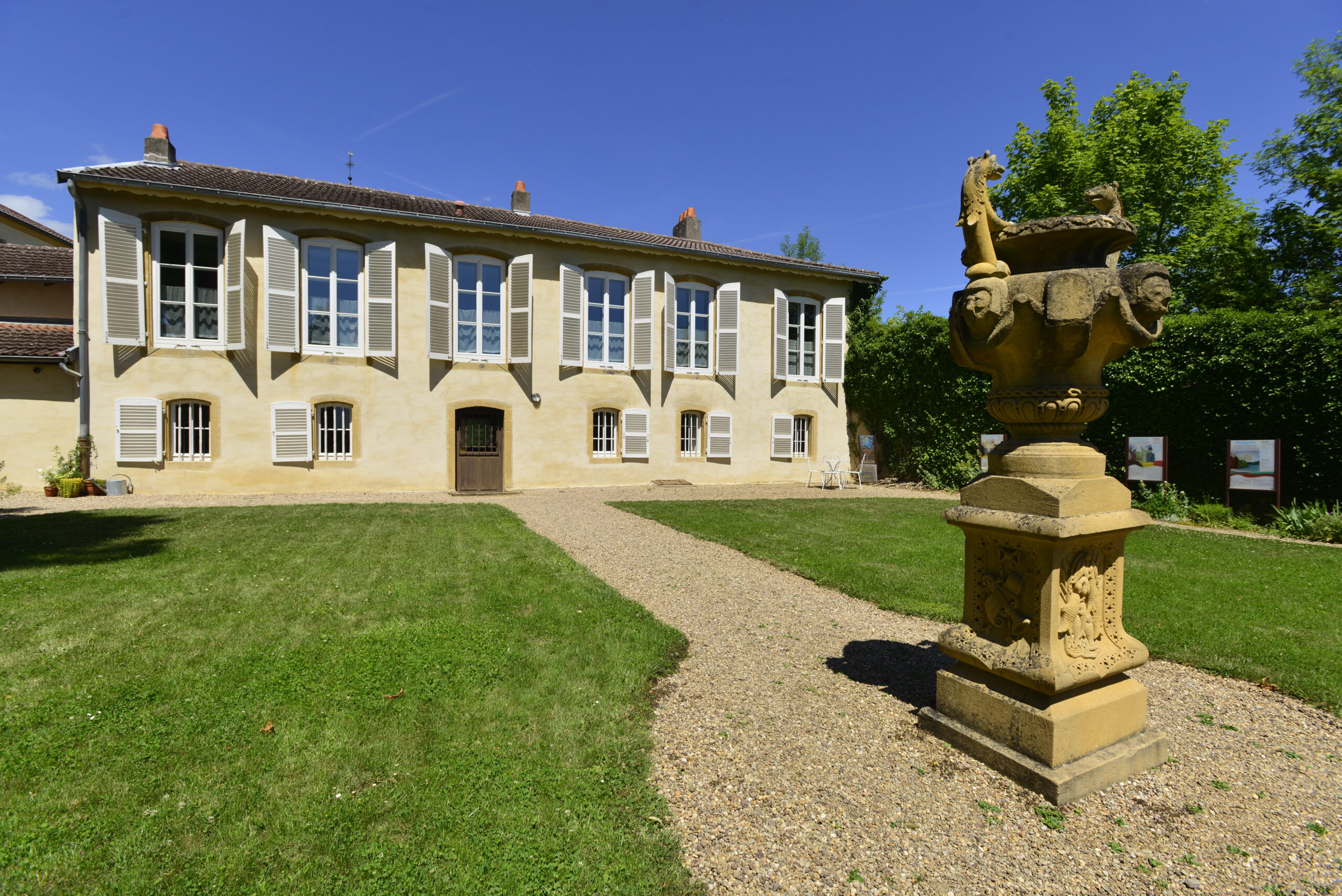
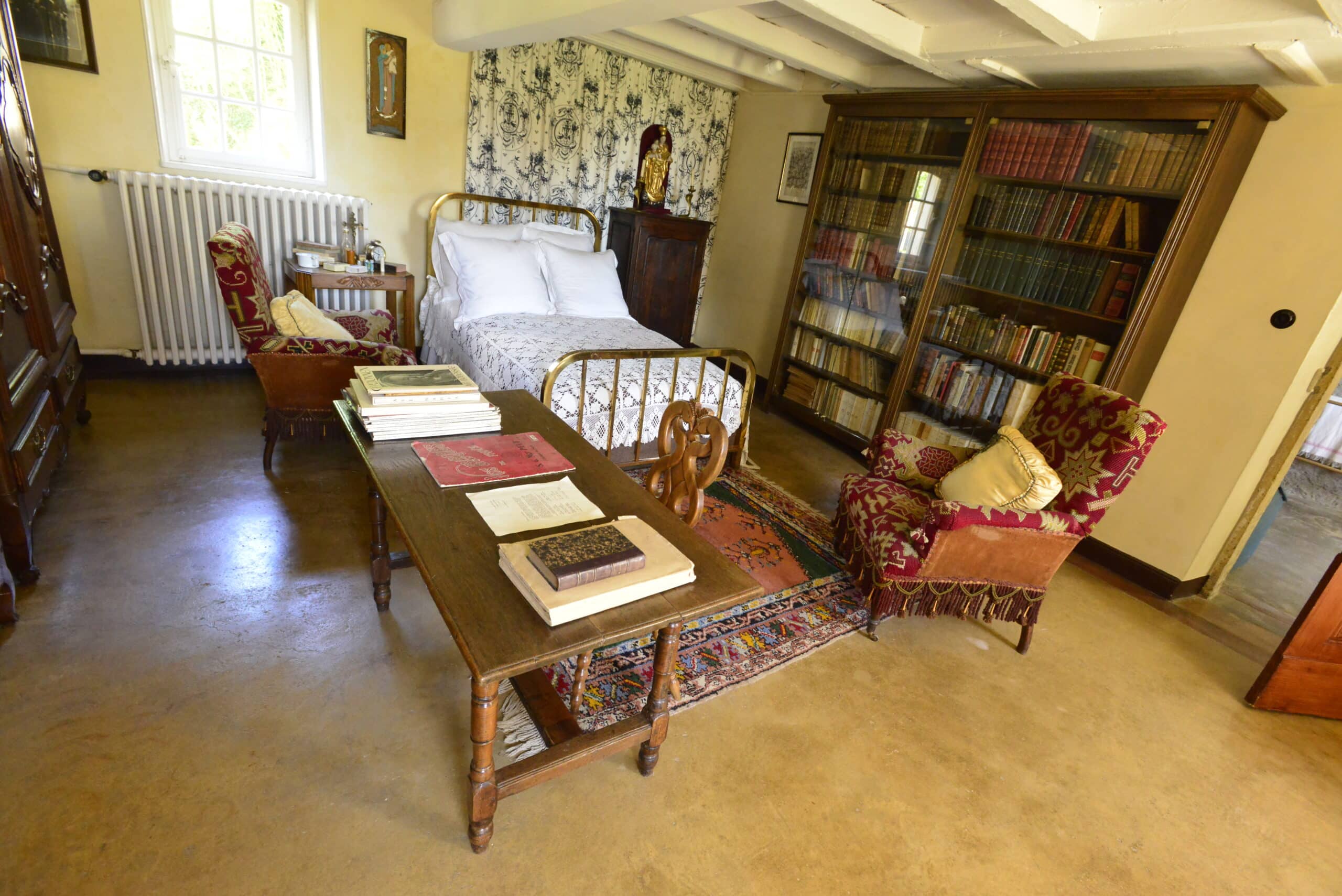
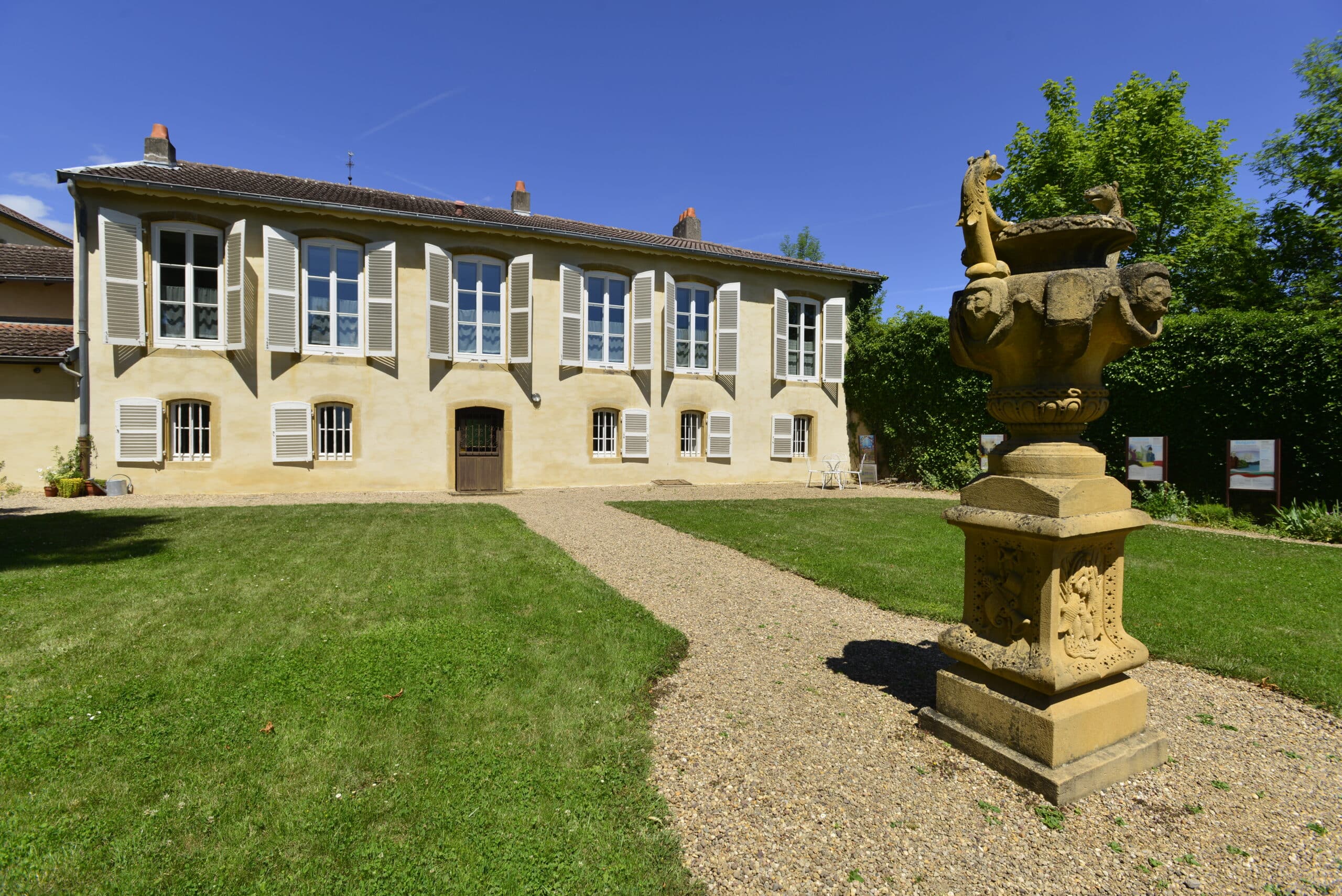
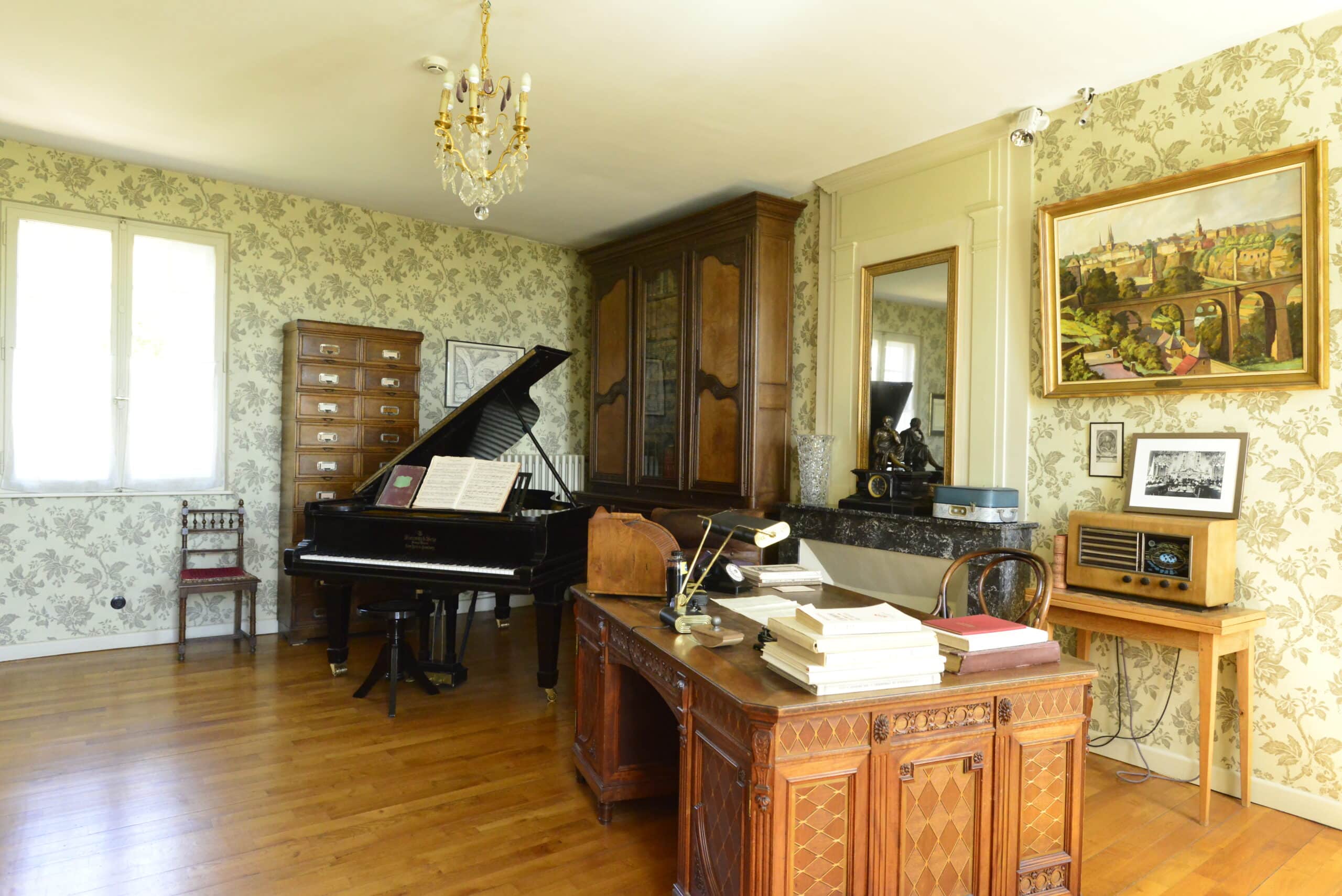
Robert Schuman acquired this property located in Scy-Chazelles, on the slope of Mont Saint-Quentin, in the spring of 1926. The residential house from the end of the 18th century, rural in type, of great architectural sobriety, is characteristic of the winegrowers' villages of the Metz region. Dominating the Moselle valley, the property is also made up of a vast garden and a stately home from the late Renaissance period. Robert Schuman led a simple life, his house, modestly furnished, bears witness to this way of life and also highlights his commitment to peace. The father of Europe lived there until his death in 1963.
The restoration of the House of Robert Schuman
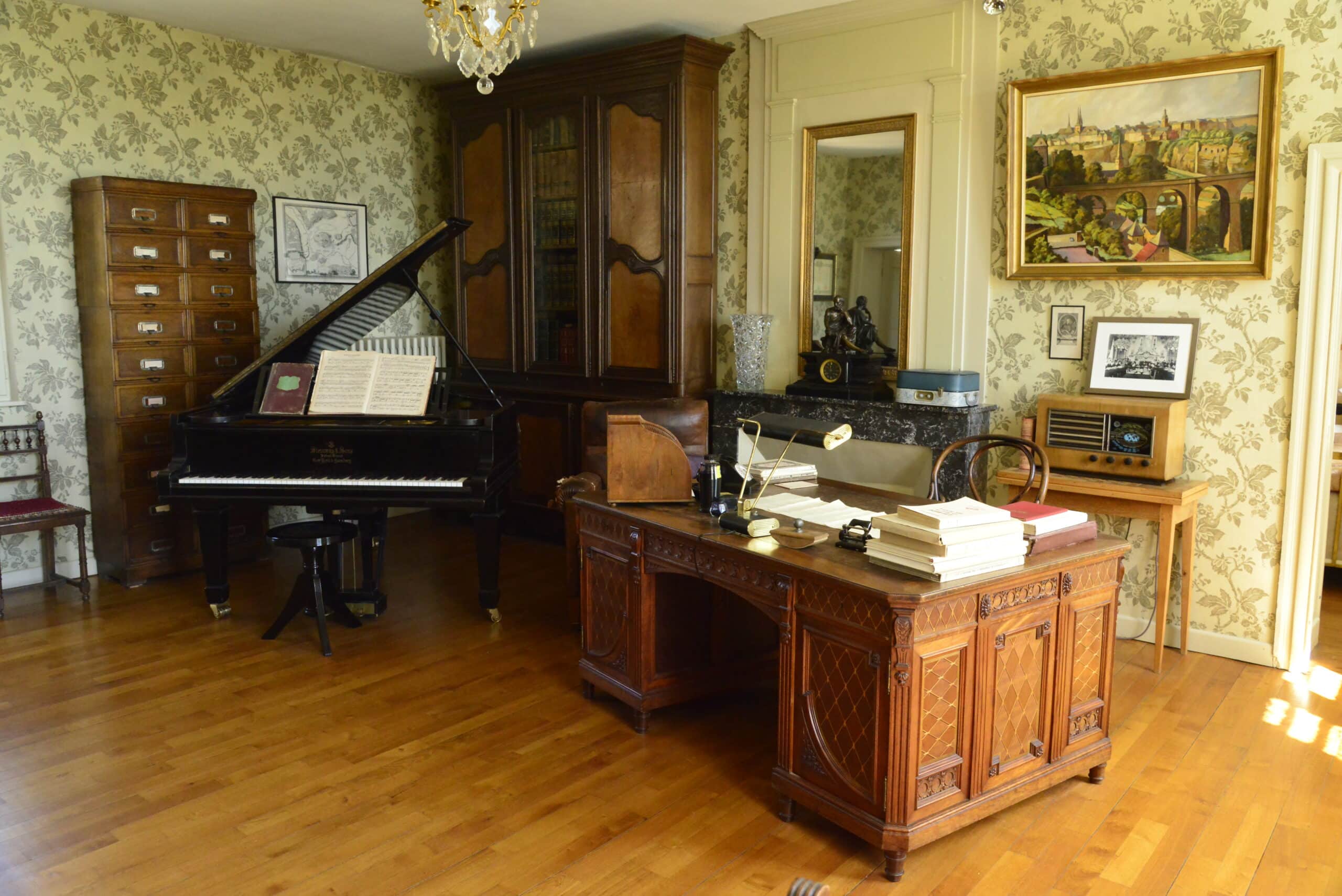
The Robert Schuman House has been managed since January 2000 by the Department of Moselle, taken over for the symbolic franc from the association of Friends of President Robert Schuman. The site officially opened its doors to the public on May 9, 2000, on the occasion of the 50th anniversary of the Schuman Declaration.
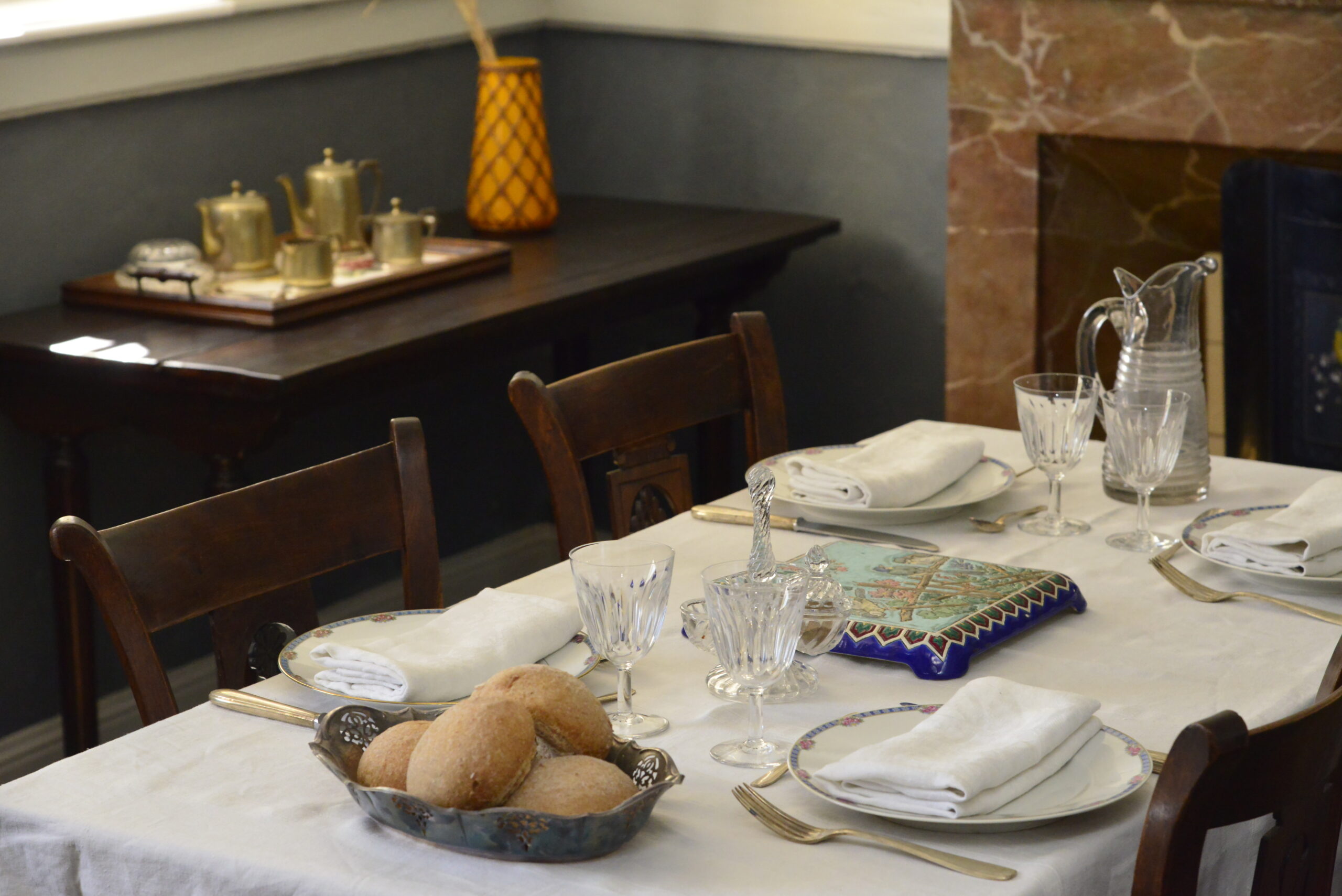
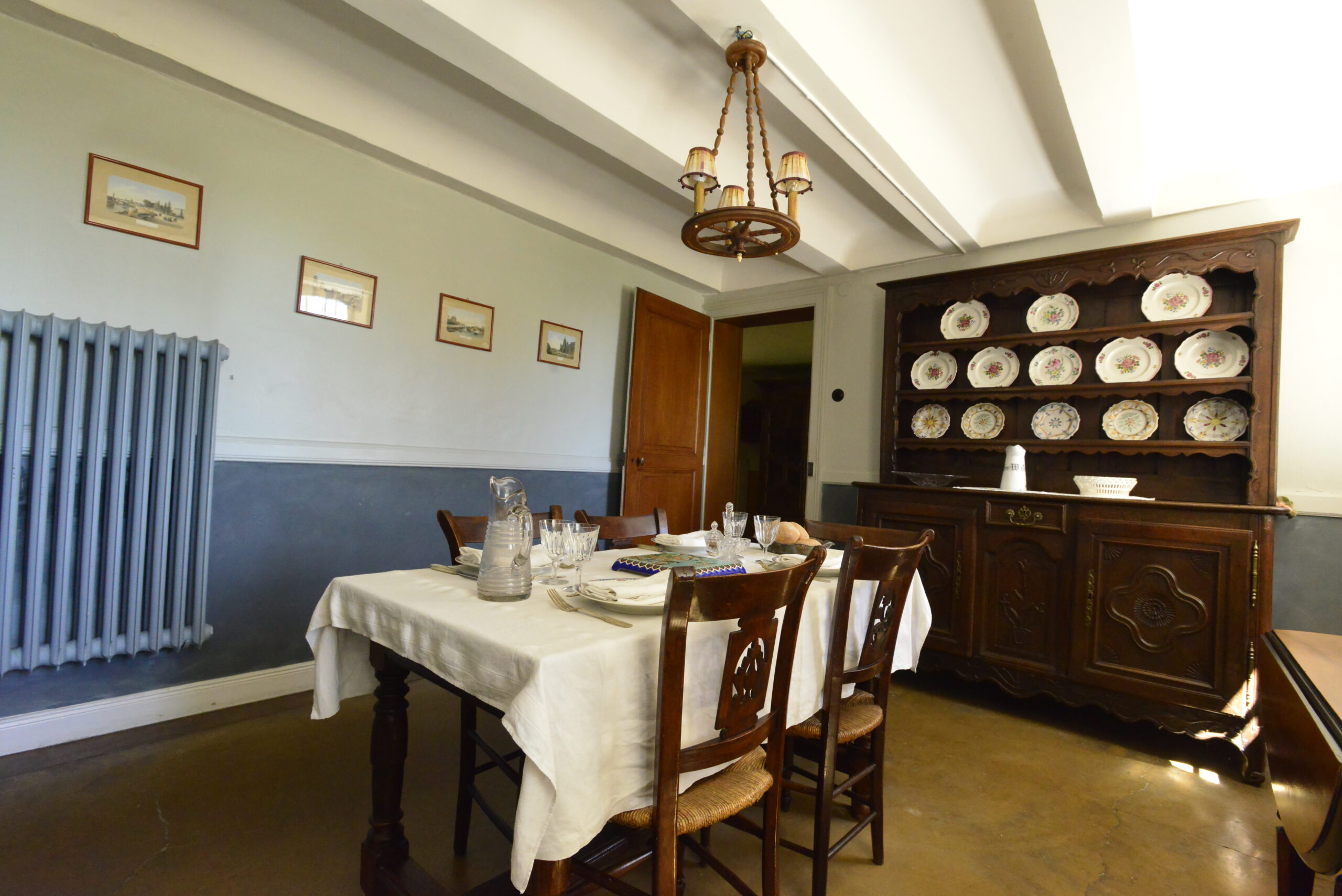
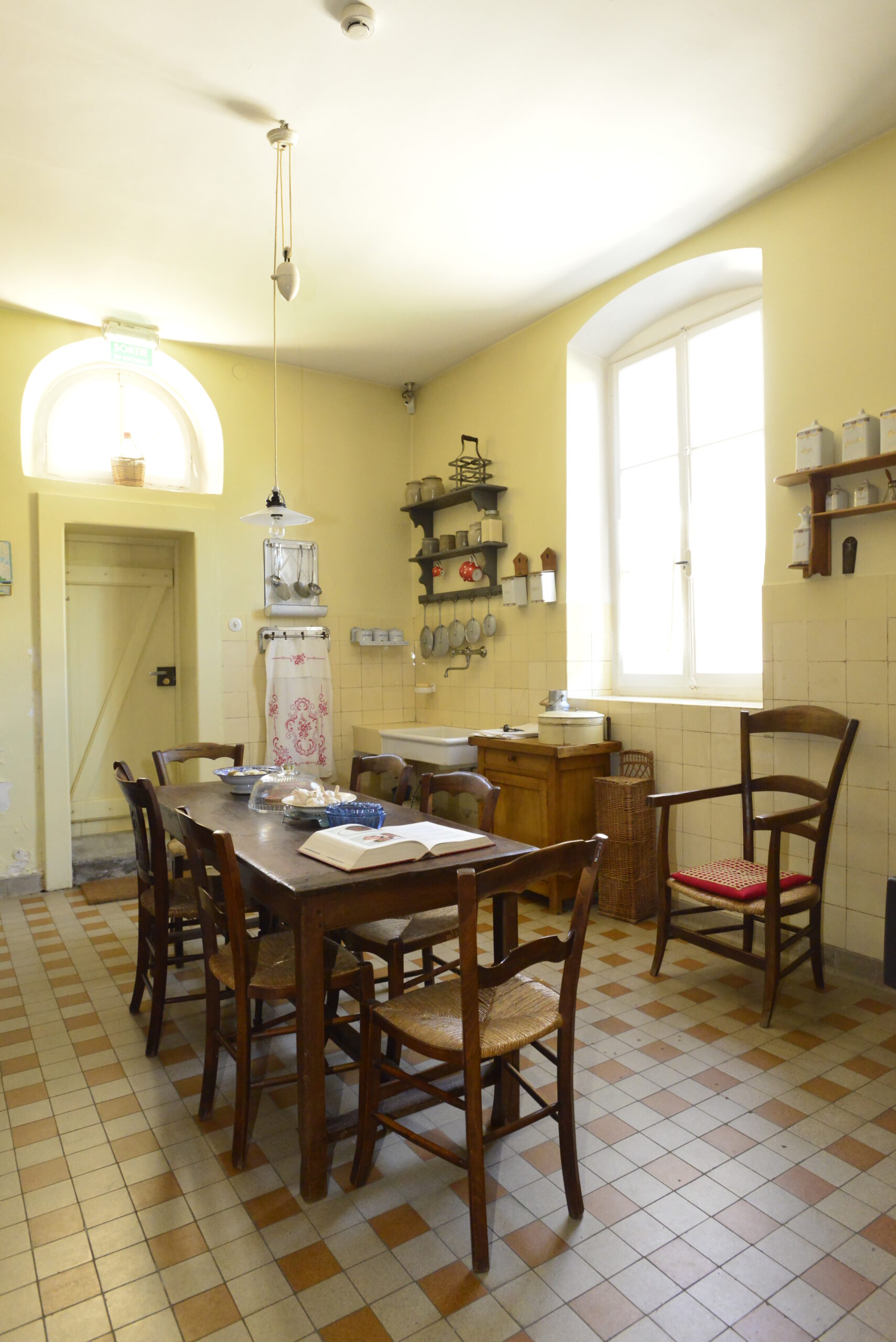
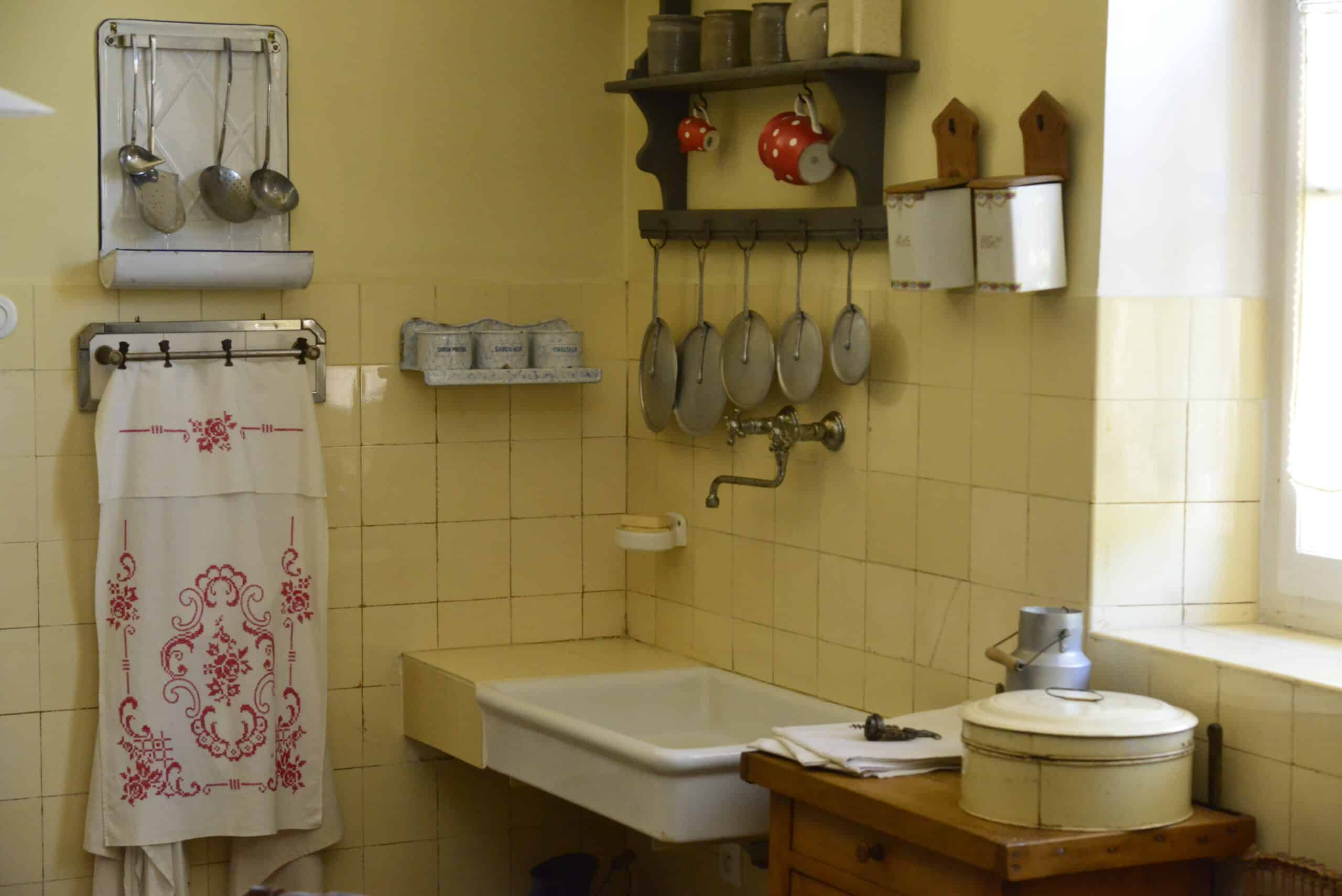
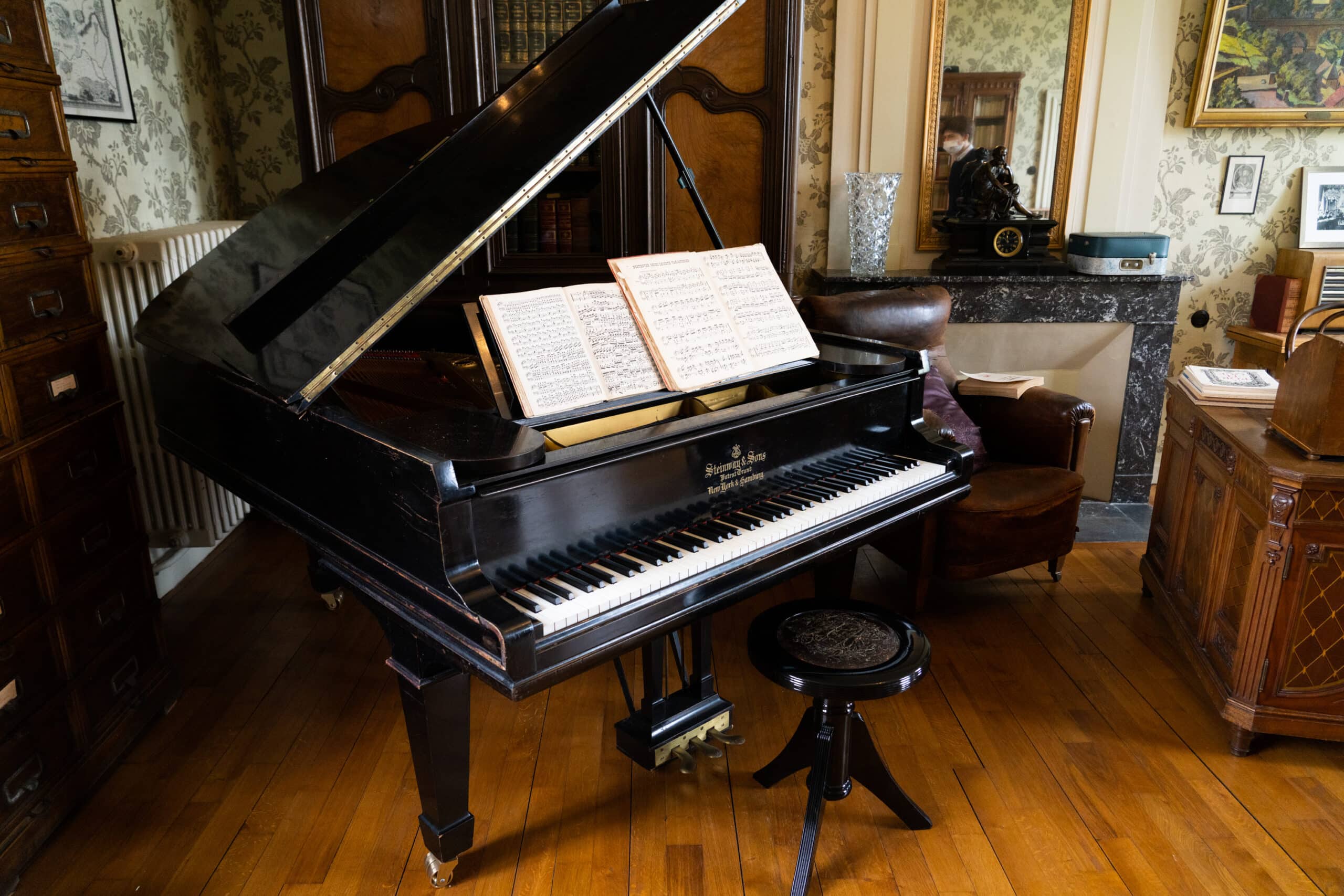
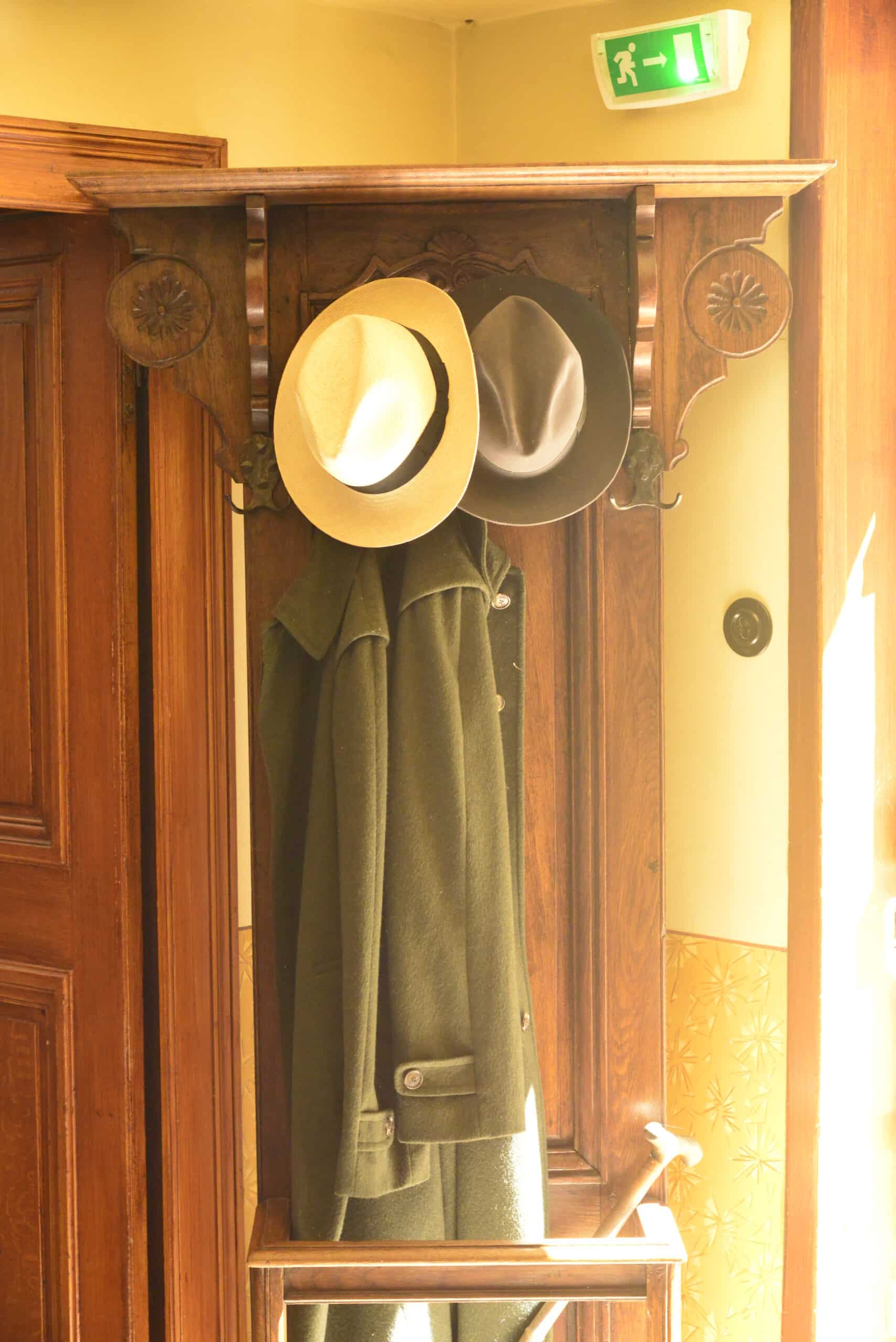
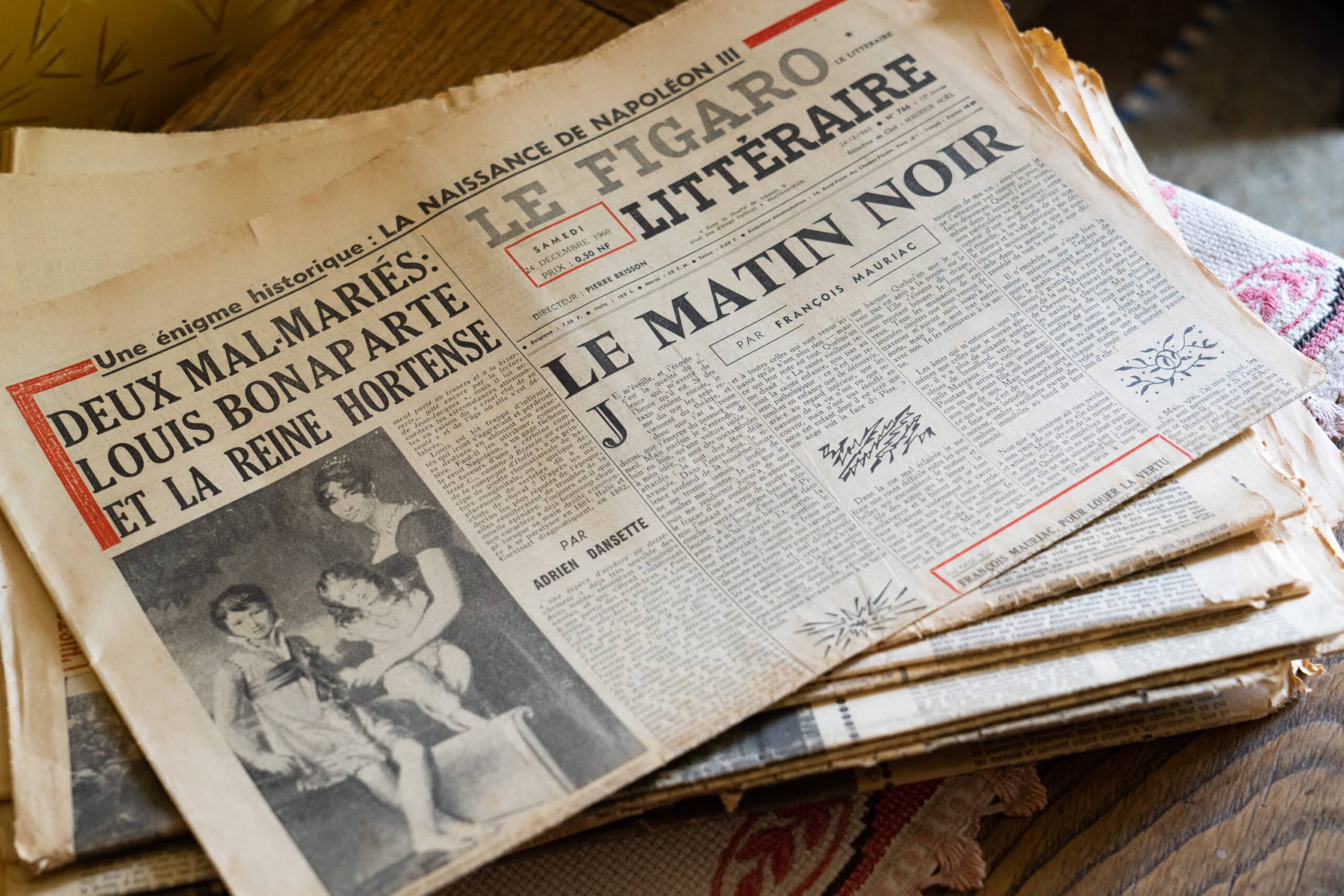
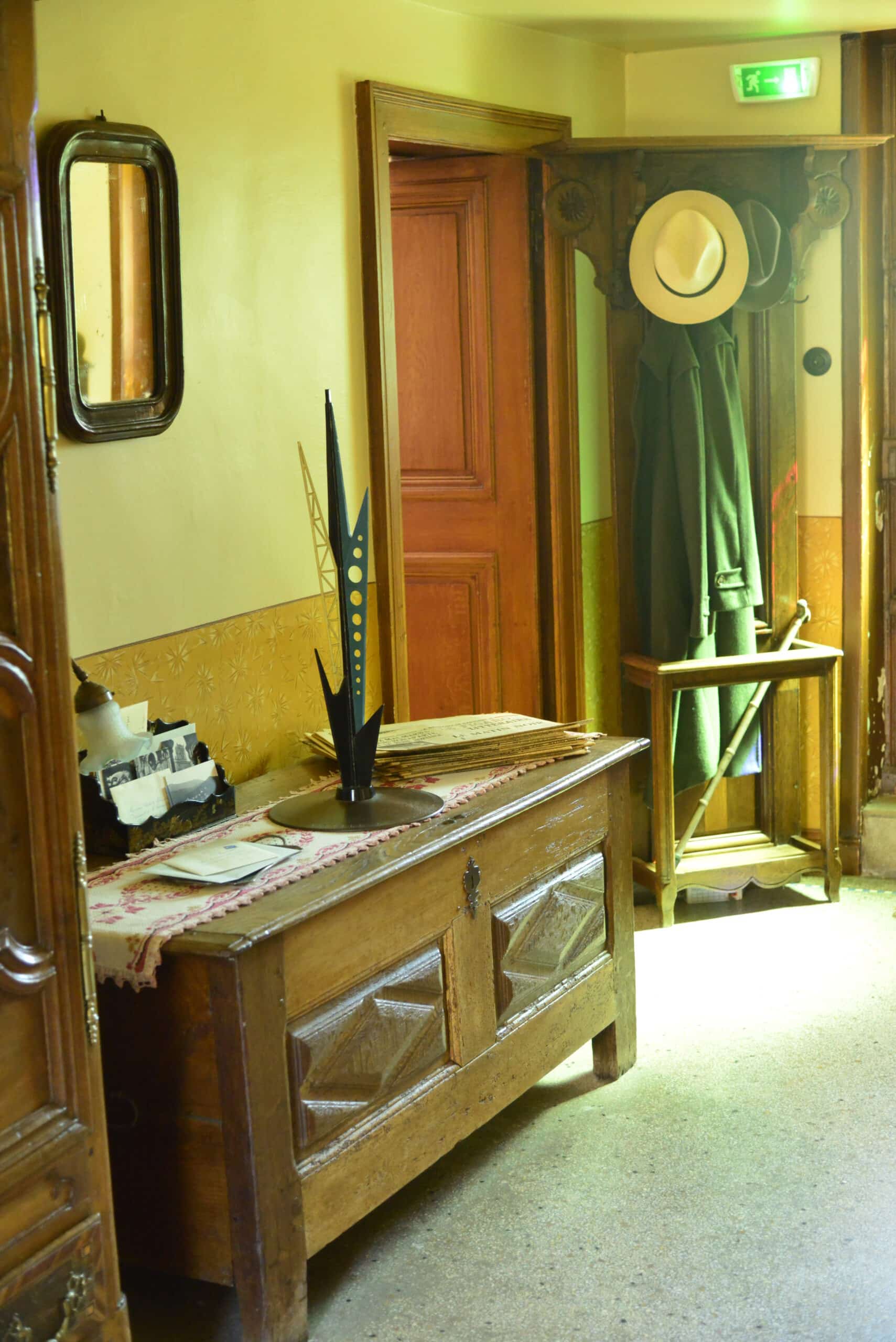
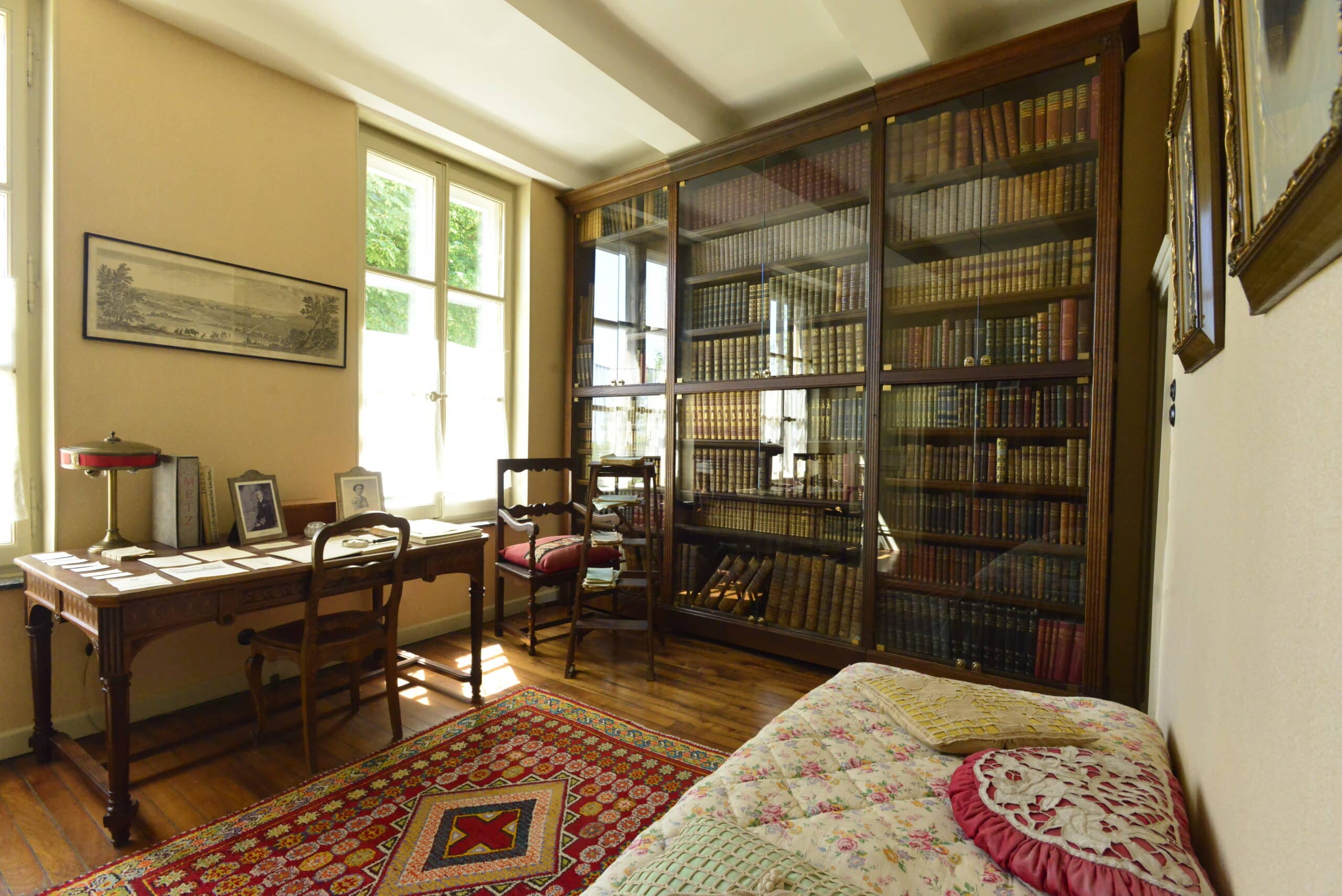
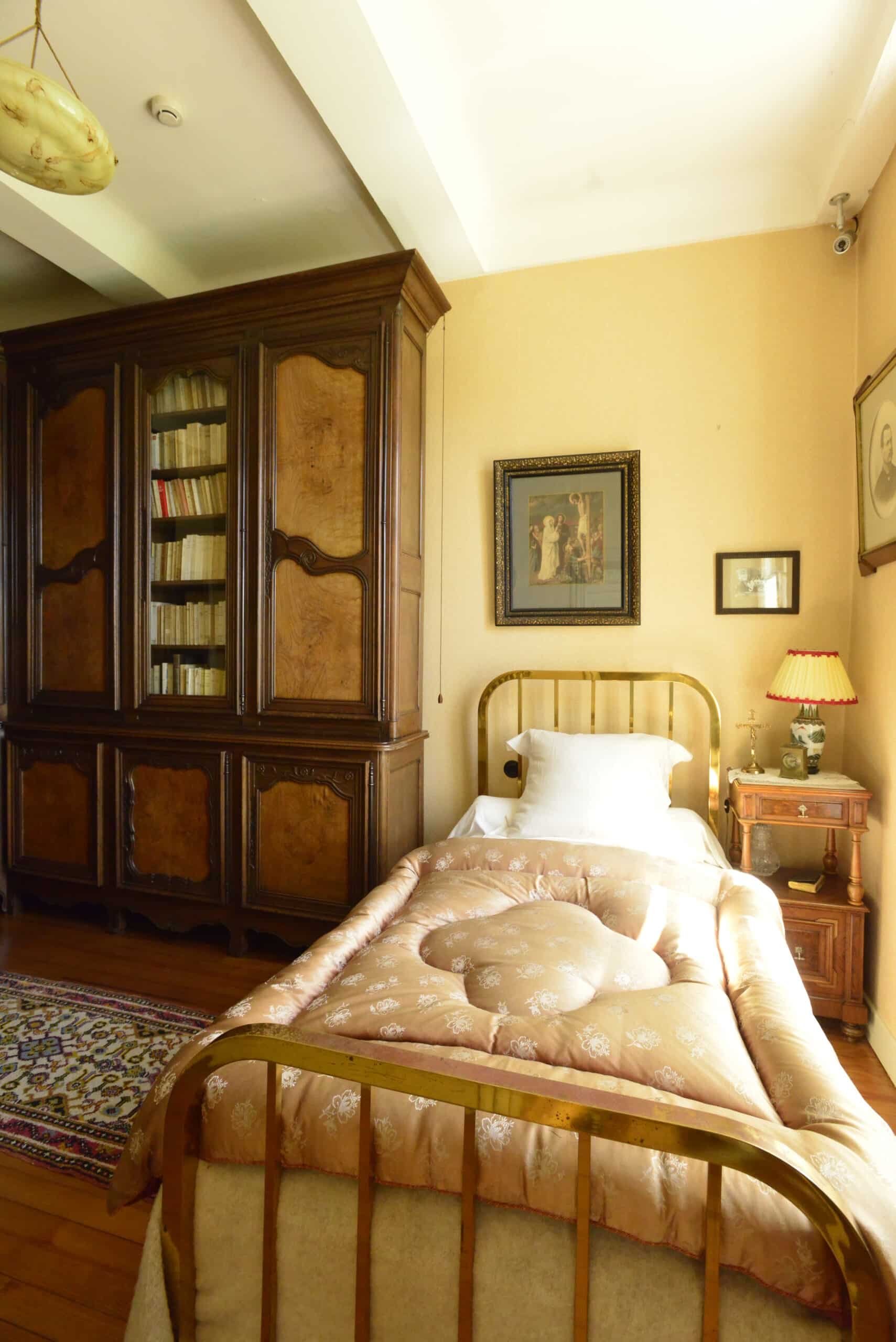
The residence was restored in 2004 to be presented as it was during the last years of Robert Schuman's life in the early 1960s. By pushing open the front door, the visitor feels the atmosphere of an inhabited house, imbued with the personality of its host. The table is set in the dining room, books are installed on a bedside table in the bedroom, toiletries are placed in the bathrooms... Today, this house is not only a historic place linked to the Father of Europe, but also a cultural site dedicated to the life and work of Robert Schuman as well as the discovery of Europe.
2025: manuscripts found
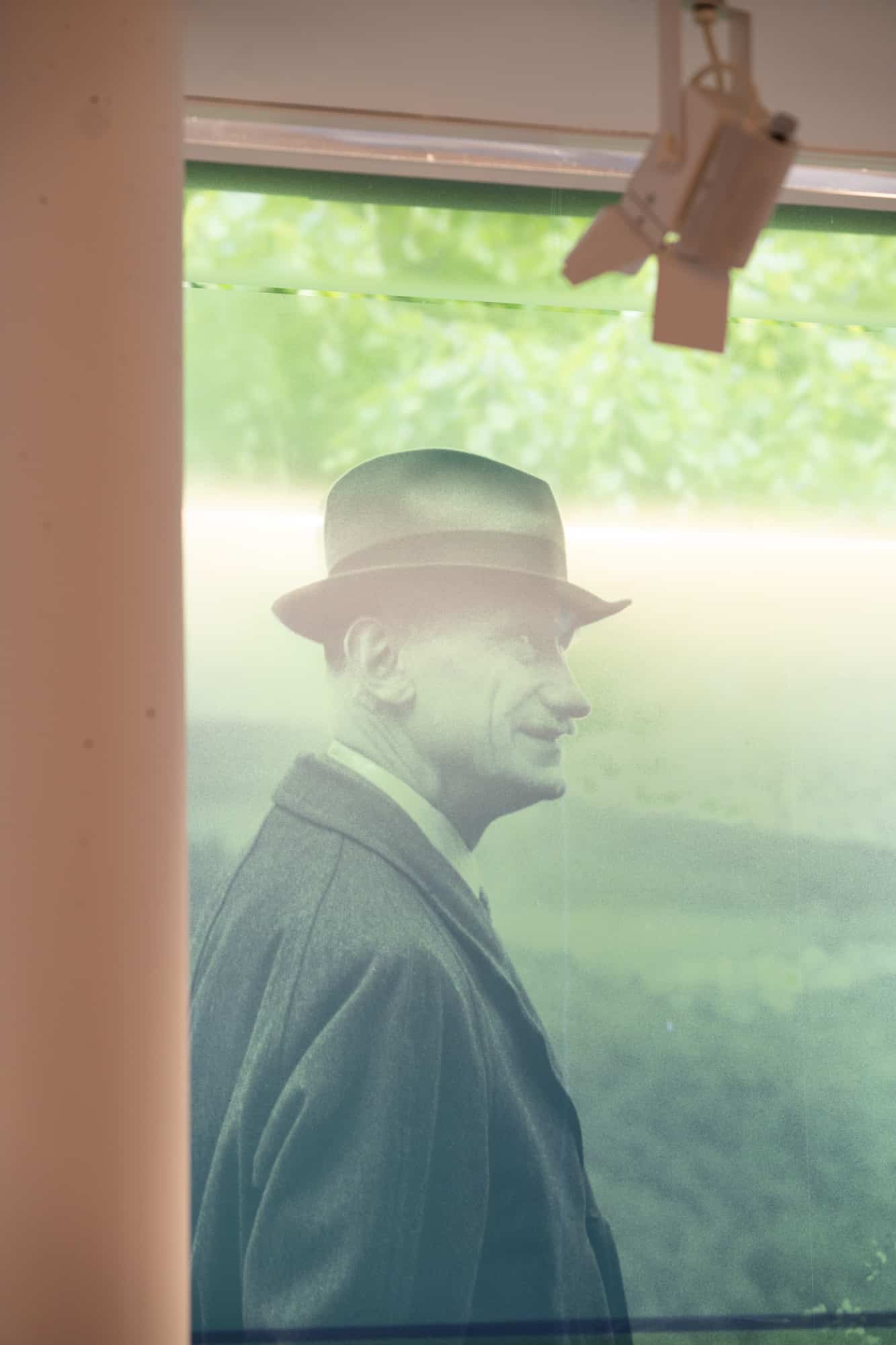
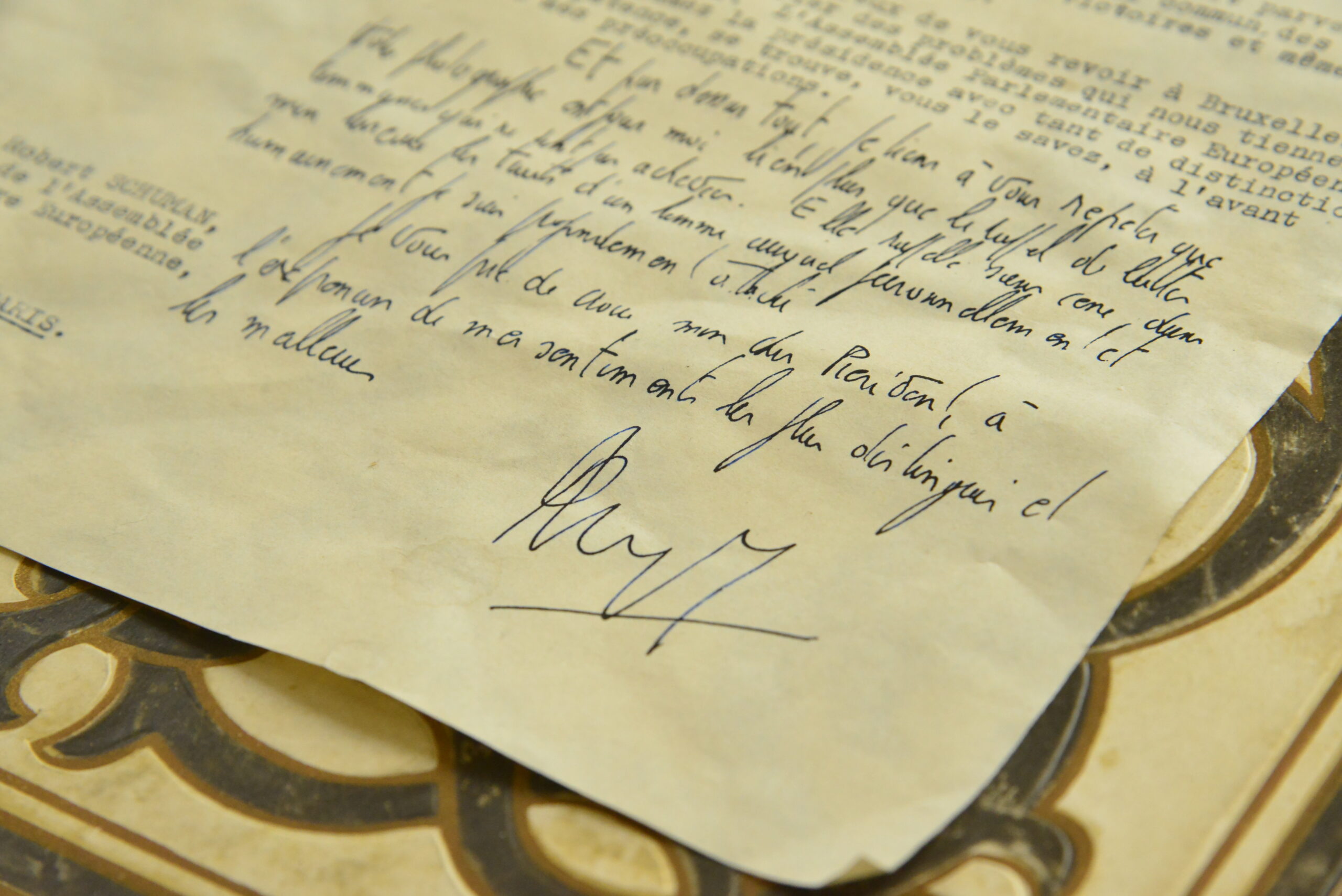
Forgotten manuscripts belonging to Robert Schuman were found in 2025! These include extracts from speeches, letters and personal notes. We discover stories that show Robert Schuman's height of vision. They shed particular light on one of the Founding Fathers of Europe: social justice, human fraternity, international cooperation and peace. A real fight for this man committed to Europe, but always with a human dimension, based on relations between peoples. These documents will reach the House of Robert Schuman in Scy-Chazelles, after having been entrusted and examined by historians and by the Departmental Archives.
The museum: to discover European construction
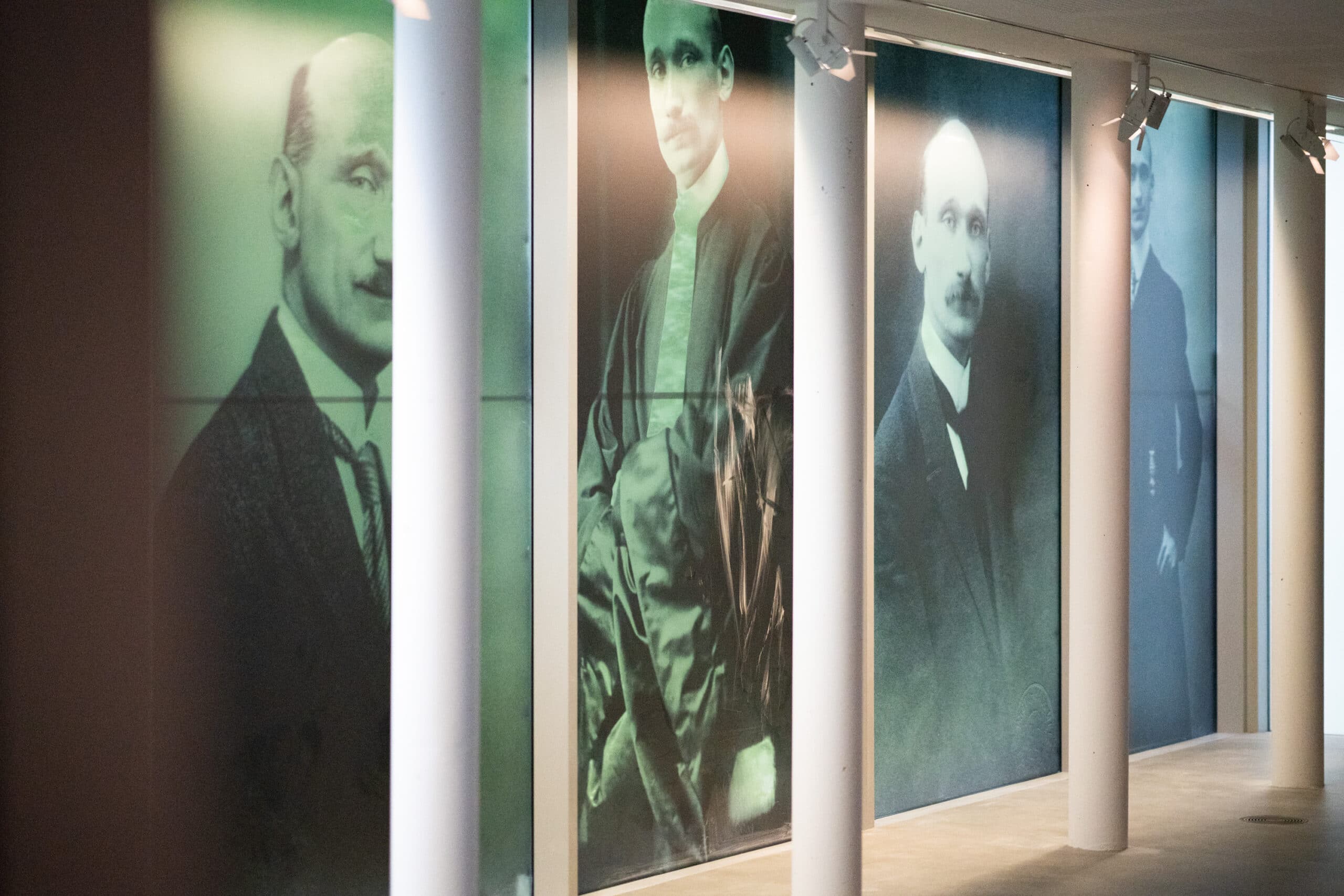
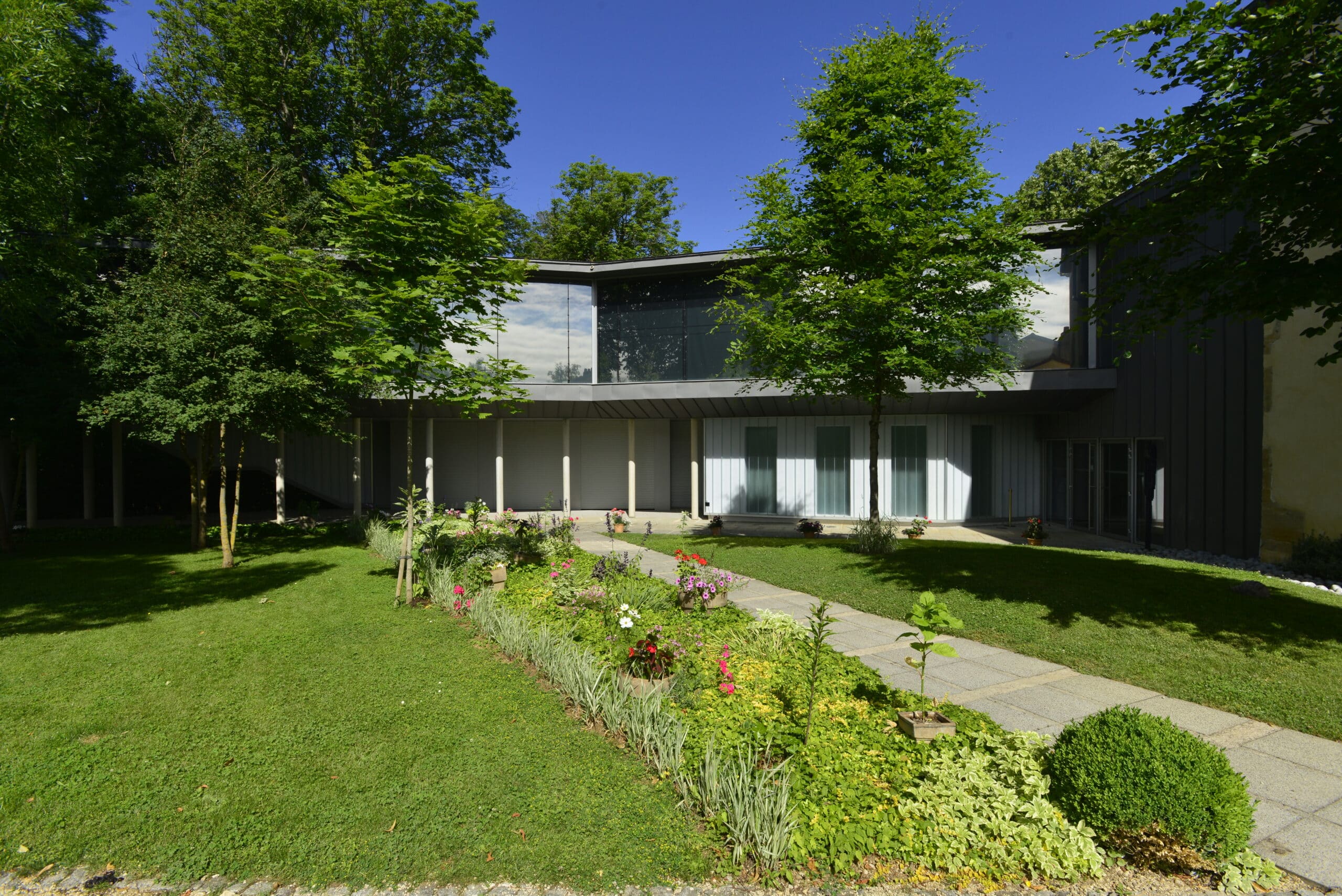
Since 2009, the Robert Schuman House has had a museographic extension built by the Department of Moselle and inaugurated on May 9, 2009 by President Valéry Giscard d'Estaing. Through an interactive and digital tour, visitors can discover the history of European construction and its actors from Antiquity to the projects of Robert Schuman.
Gardens
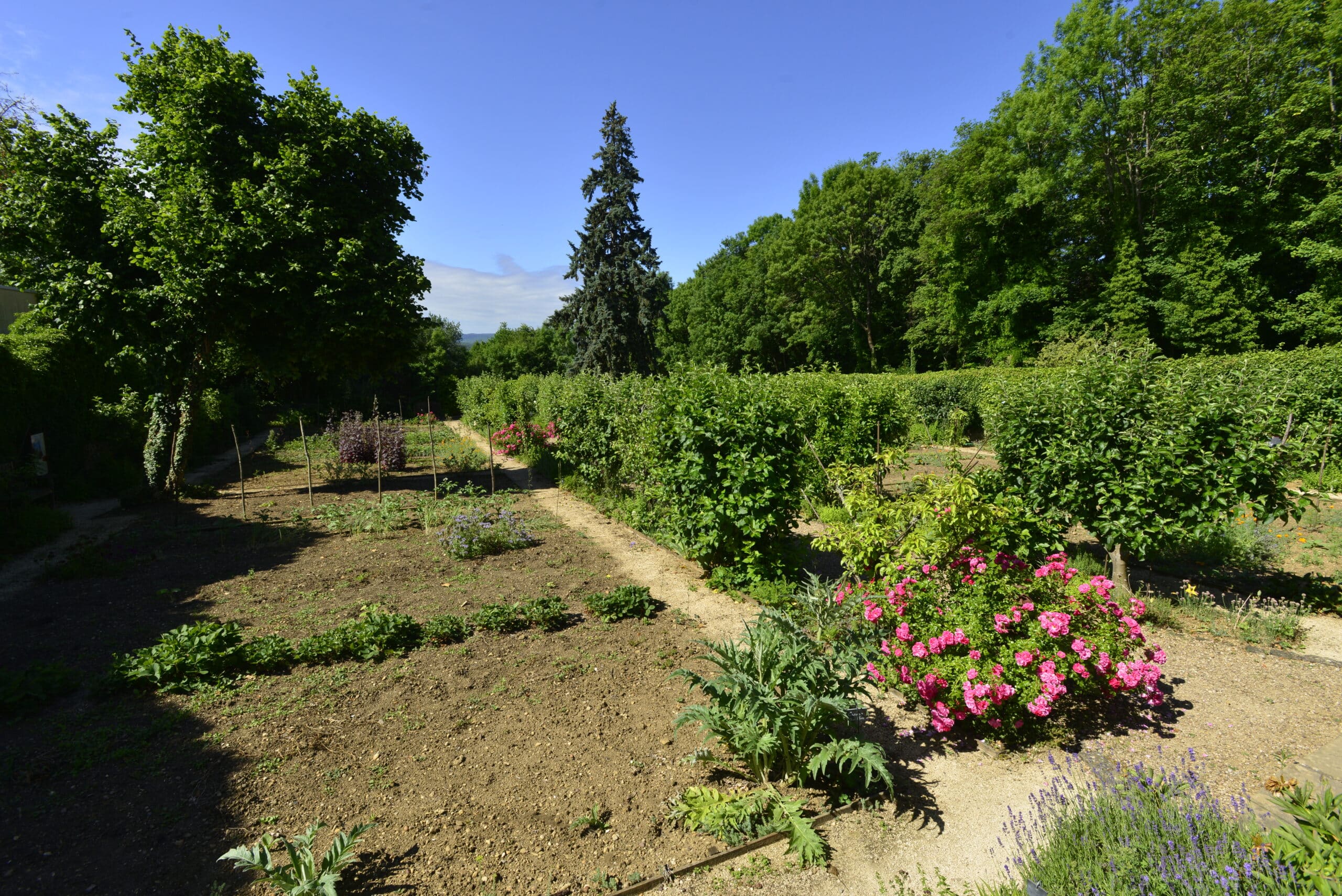
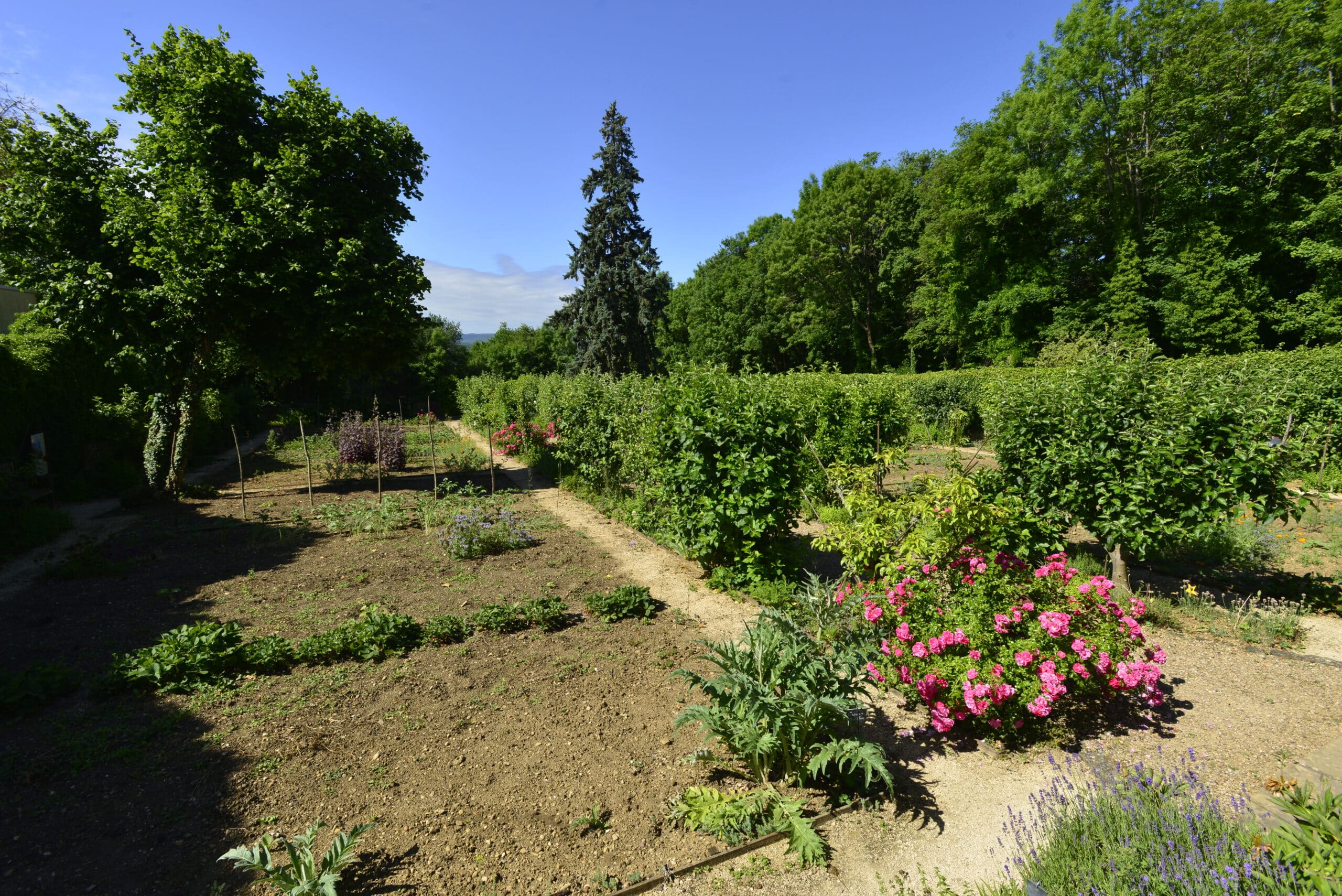
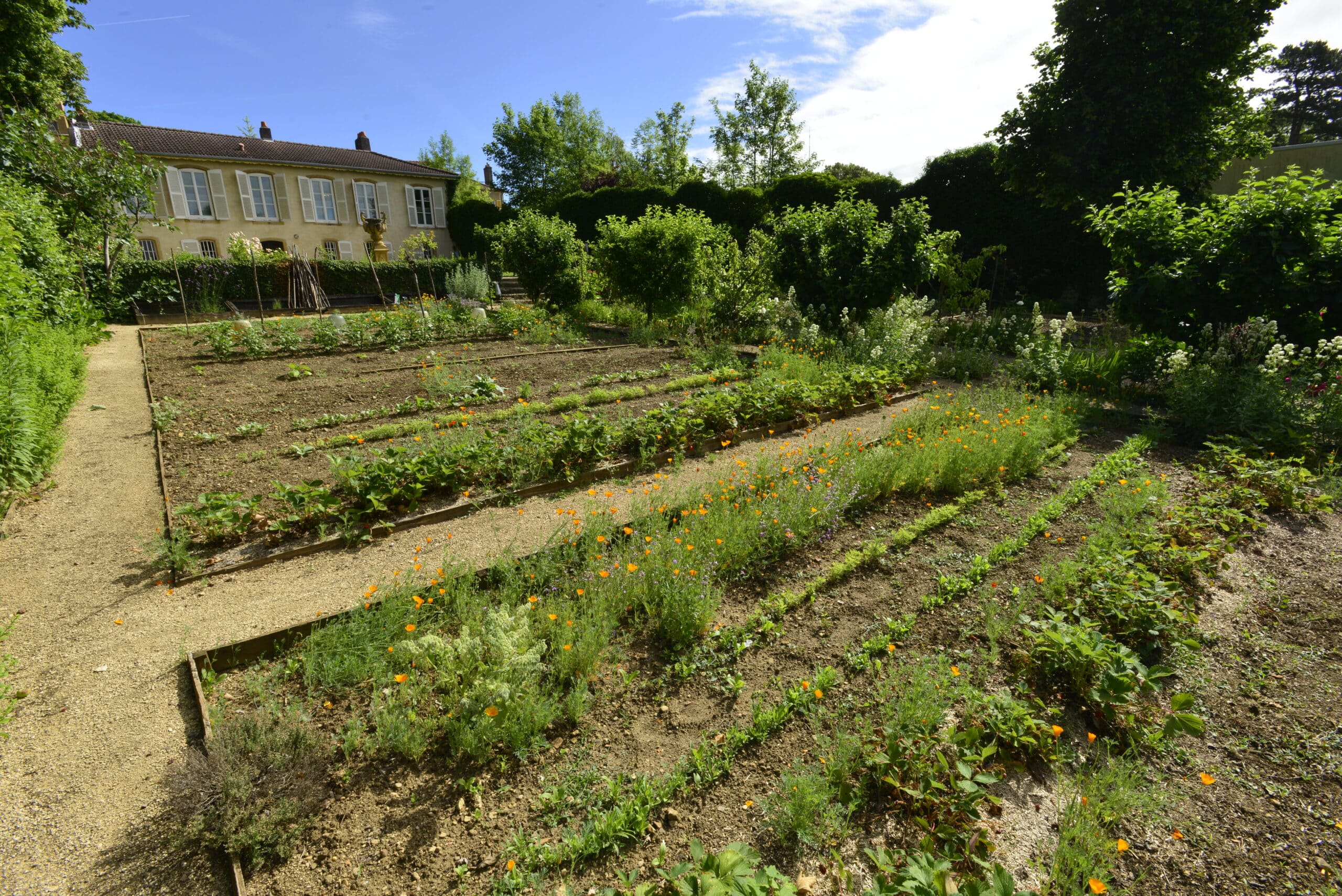
The Department of Moselle has restored the historic garden of the Maison de Robert Schuman to the state it was in between 1960 and 1963, based on period testimonies and photographs. They also benefited from the help of Robert Gusse, a former gardener, and Germaine Becker, niece of Marie Kelle, Robert Schuman's housekeeper.
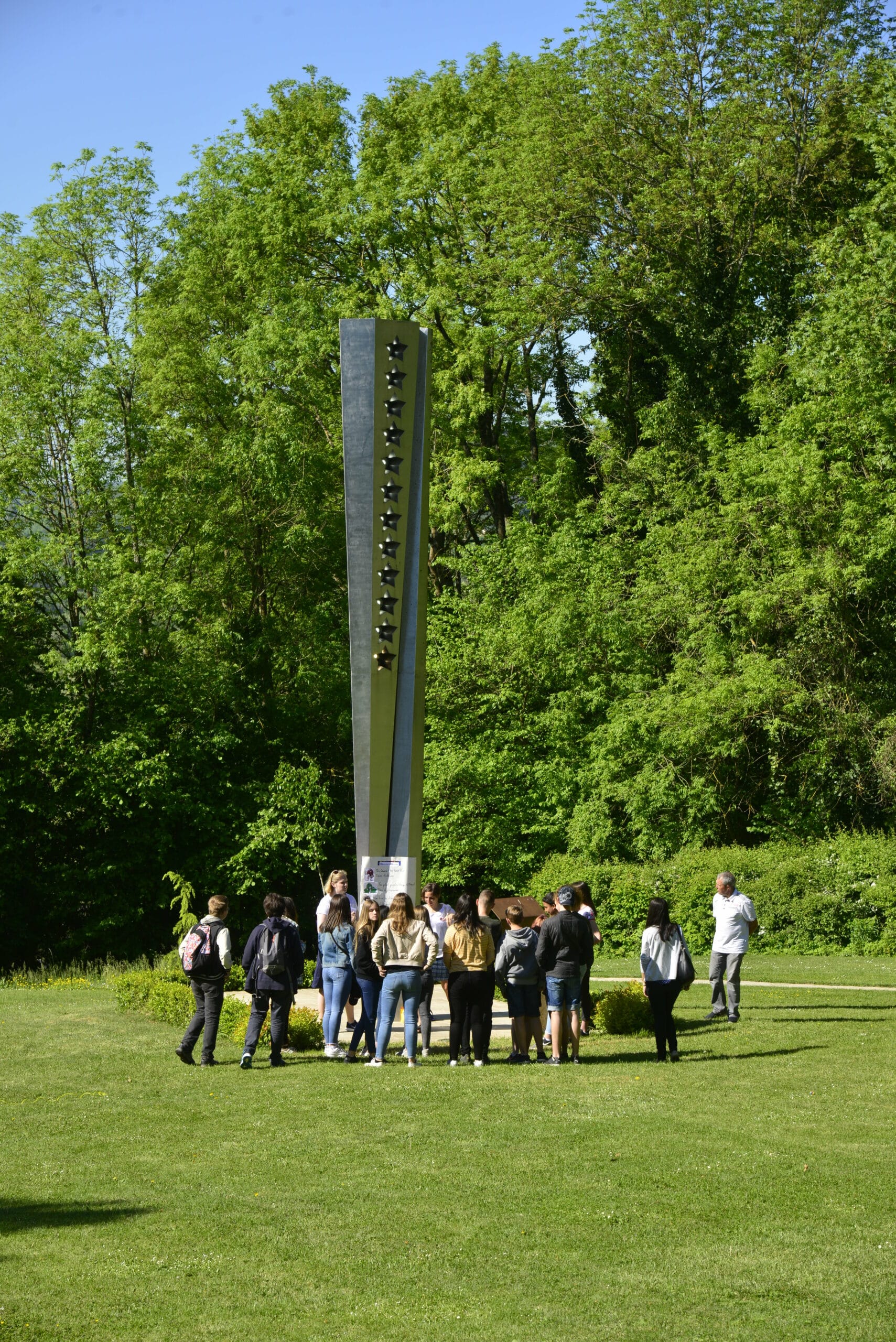
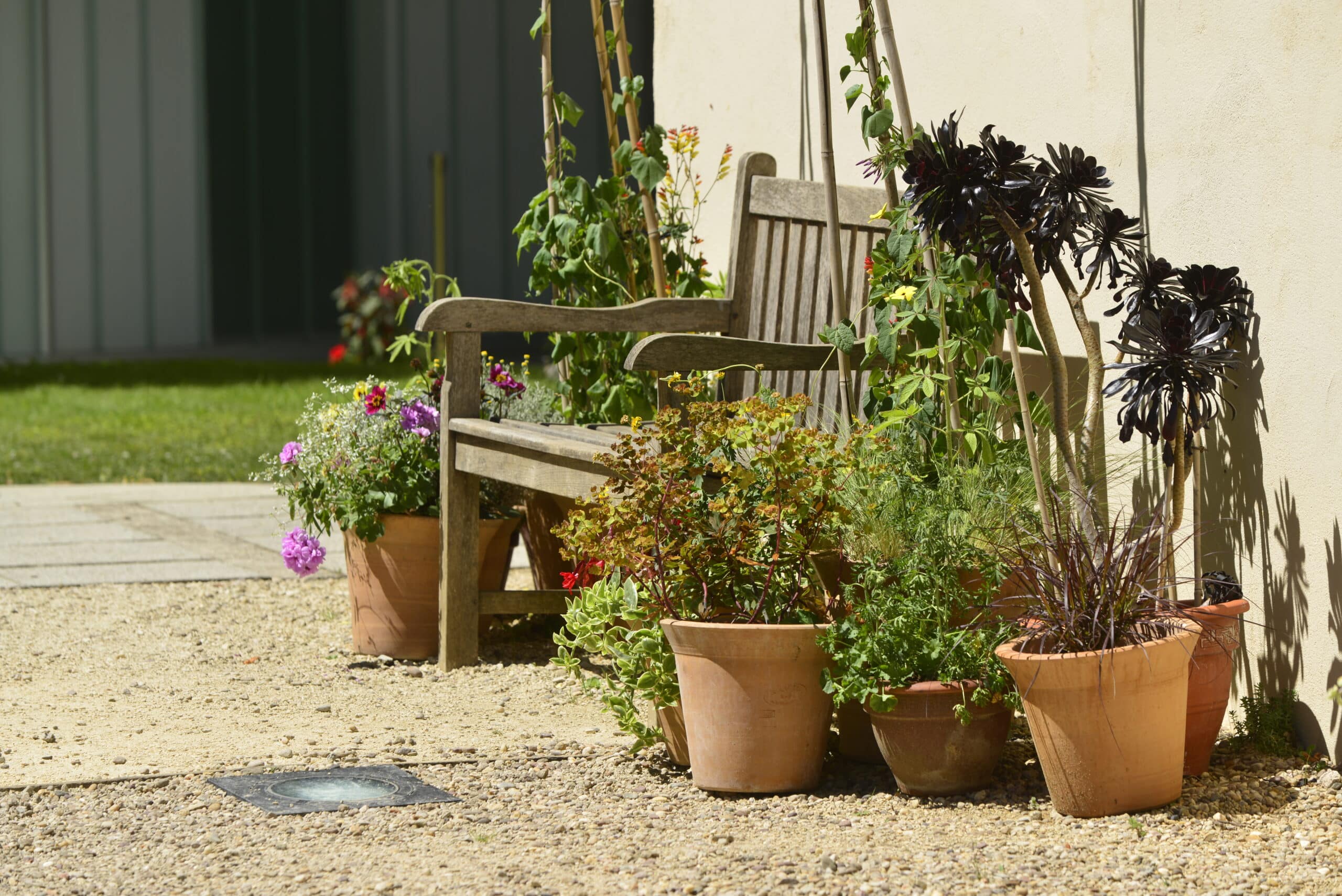
Today, the garden is made up of four spaces: the historic garden with its vegetable garden, the Jardin des Plantes de Chez Nous (more contemporary), a shade garden and a graphic garden decorated with decorative shrubs and trees. Each season brings its share of colors and blooms: bulb festival in spring, rose bushes and annual plants in summer, asters and grasses in autumn, offering visitors inspiration and wonder all year round.
Labels and distinctions
The Maison de Robert Schuman is recognized by several labels and distinctions, testifying to its heritage and cultural importance.
European Heritage Label, in 2007: which aims to highlight the European dimension of cultural goods, monuments, natural or urban sites and places of memory, witnesses of European history and heritage.
The "Maisons des Illustres" label, in 2011: allows us to highlight to the public places whose vocation is to preserve and transmit the memory of the women and men who inhabited them and distinguished themselves in political, social and cultural history from France.
In pictures

Full price 7€
Reduced price 5€
Free
February 7 to December 13
Tuesday to Sunday and public holidays: 10 a.m. to 1 p.m. – 2 p.m. to 6 p.m
(Closed Mondays and May 1)