

Life-size Antiquity!
Introduction
Take a fascinating journey back in time with a visit to the Bliesbruck-Reinheim European Archaeological Park. Immerse yourself in the heart of Gallic and Roman civilizations.
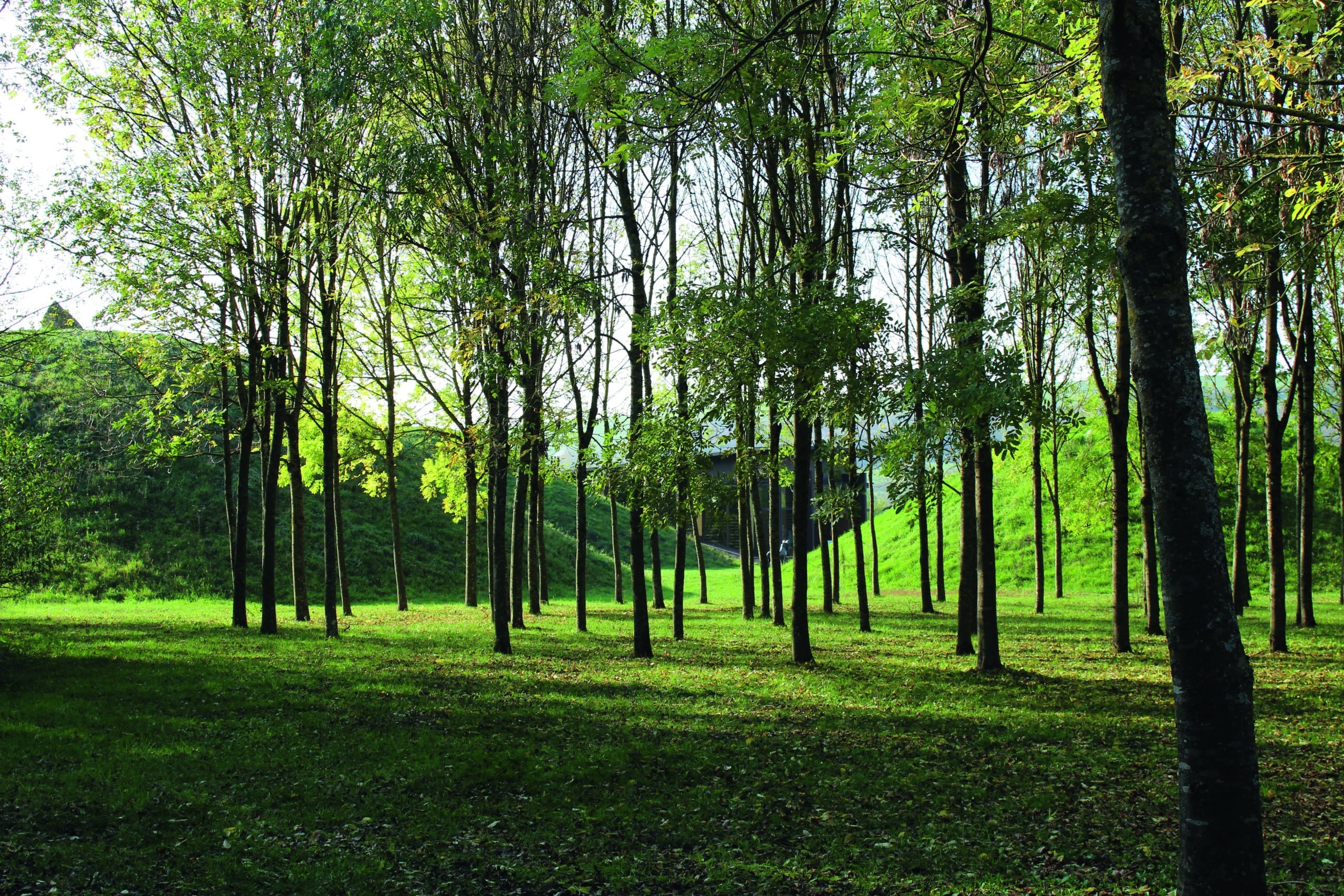
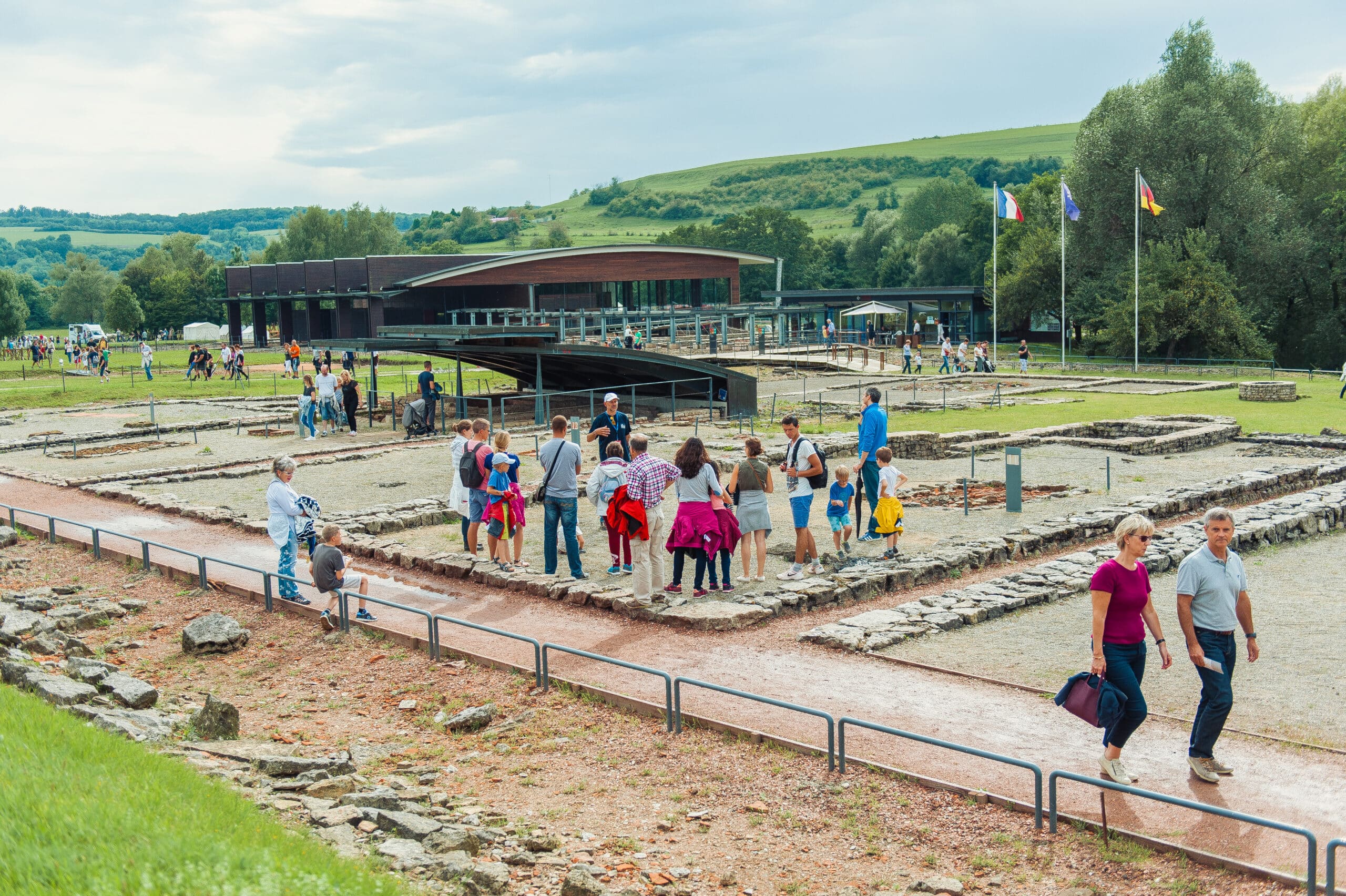
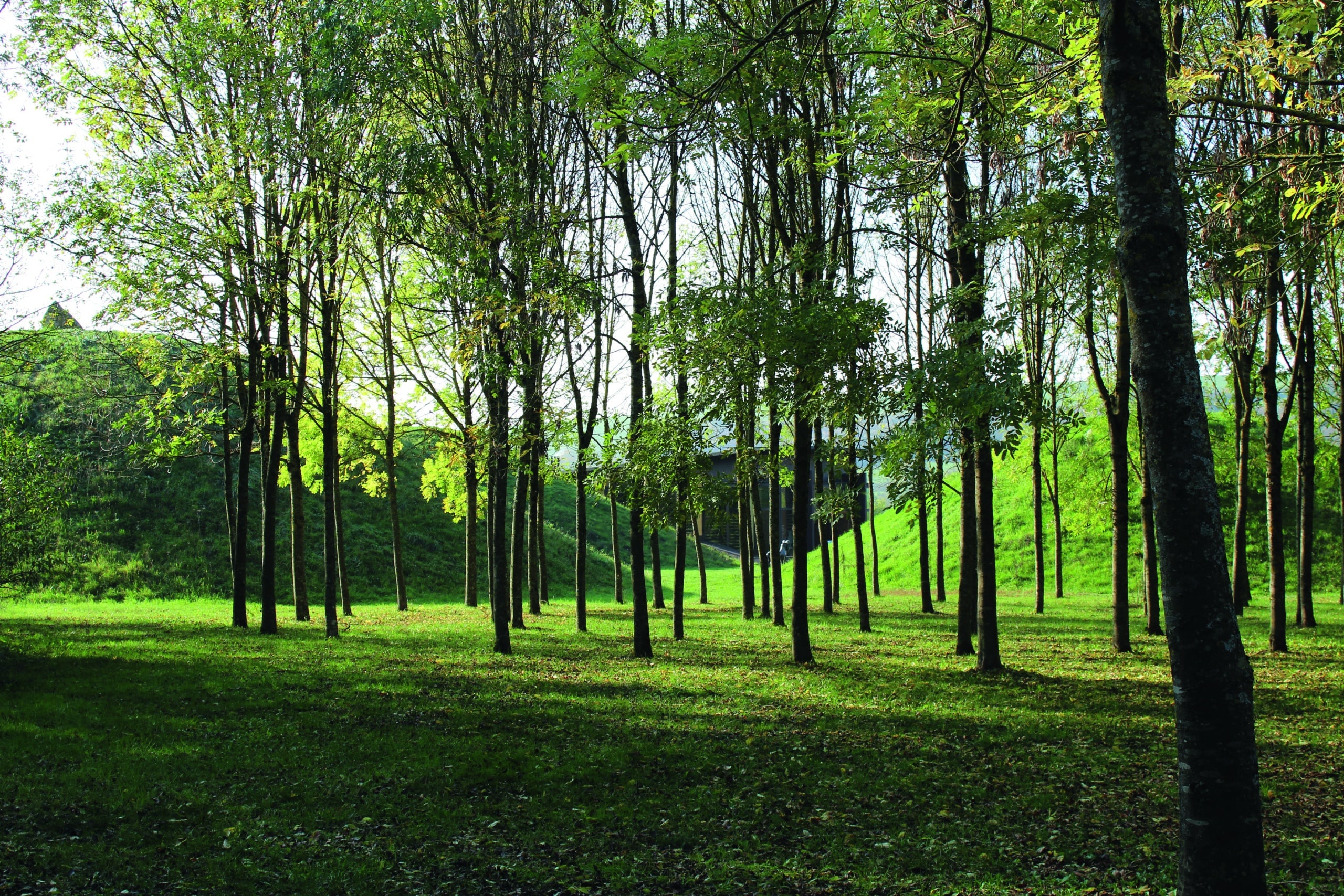
Located on the Franco-German border between the villages of Bliesbruck (Moselle) and Reinheim (Land of Saarland), the Bliesbruck-Reinheim European Archaeological Park allows you to explore one of the richest Celtic tombs in Europe, to discover the life of artisan-traders in a small Roman town, to learn the ritual of bathing in the thermal baths and to explore the immense palatial villa of Reinheim. Furthermore, the Park is a Remarkable Natural Area, located, for its German part, in the Bliesgau Biosphere Reserve recognized by UNESCO for its exceptional biodiversity and the preservation of traditional landscapes. The ponds that appeared after the exploitation of sand pits and the meadows are of major ecological interest due to the variety of their habitats, their fauna and their flora.
History, archaeology, nature: prepare to travel back in time!
The events
Temporary exhibition "Gold in the sand pit"
Temporary exhibition: the clear line
Kamishibaï - Tales of spring
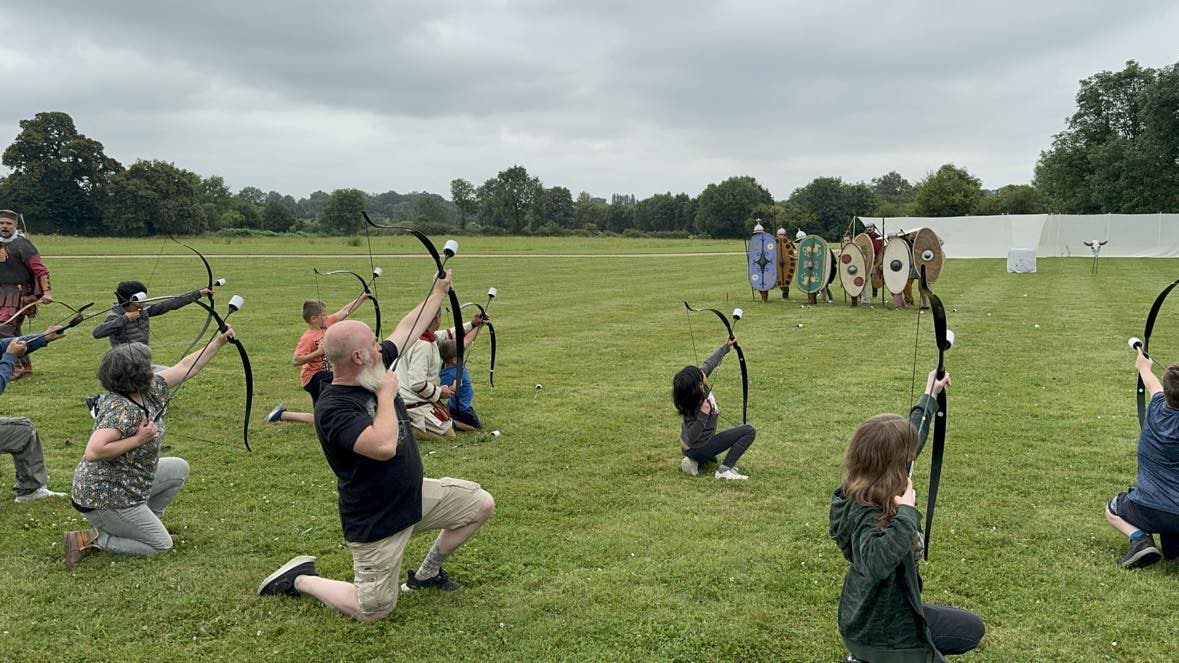
Deviens un archer romain !
Matinées musicales, Concert trinational
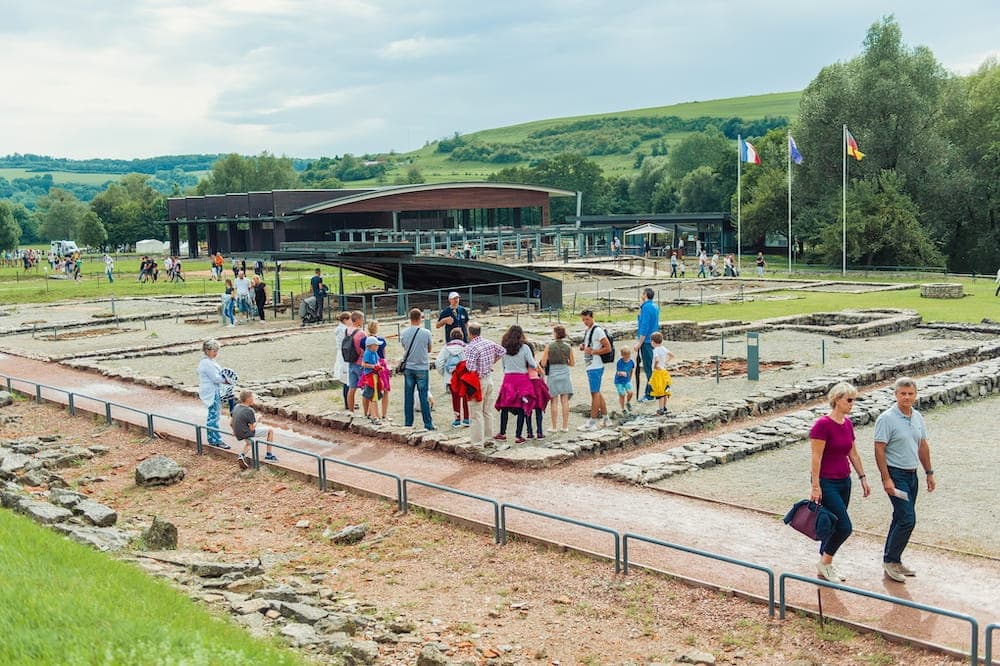
Visite guidée. Mémoire partagée : une frontière récente
Journée de la Moselle
Rencontre avec le photographe Boris Becker
Floralia : le carnet au cœur de la nature
Did you know?
The small Gallo-Roman town of Bliesbruck
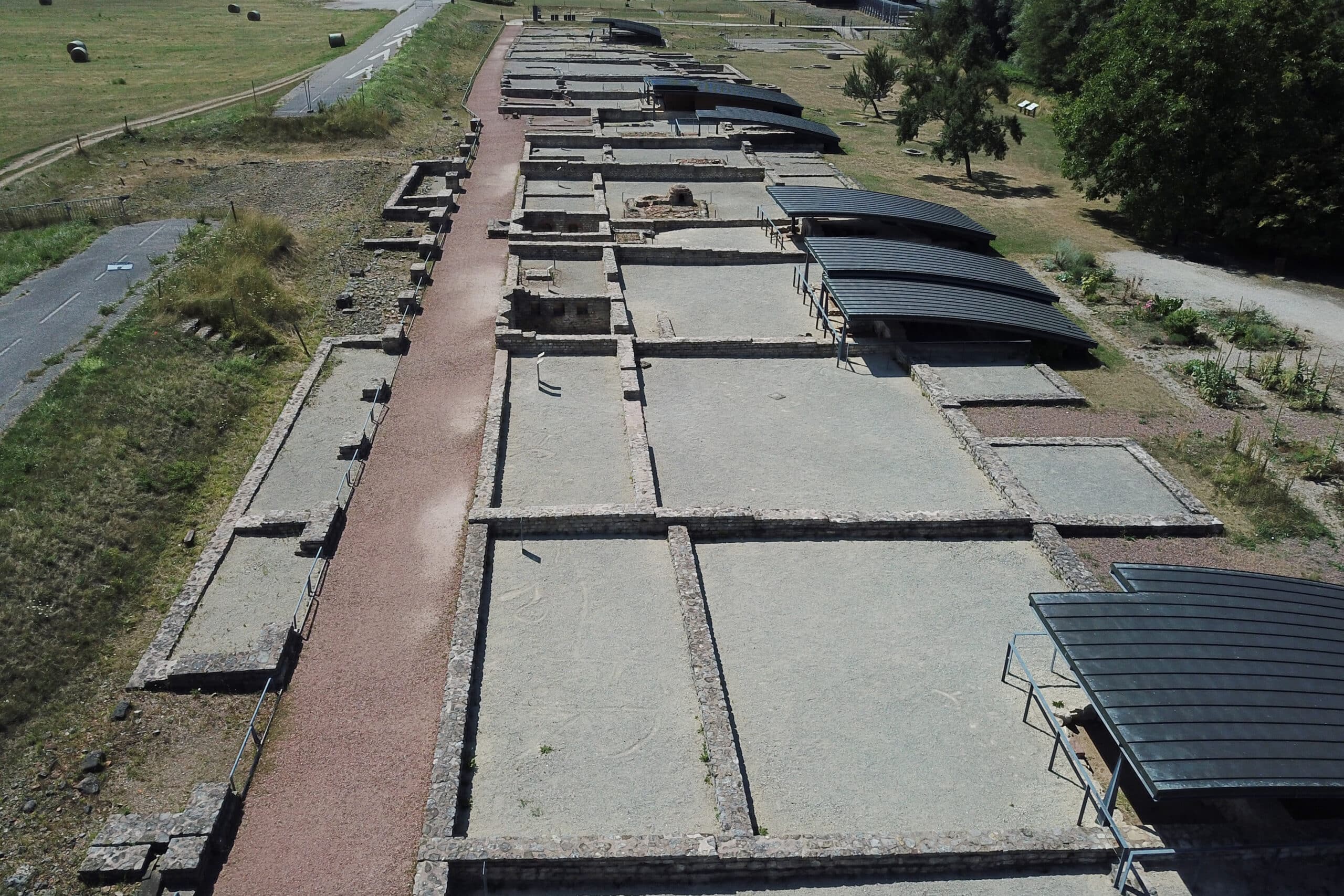
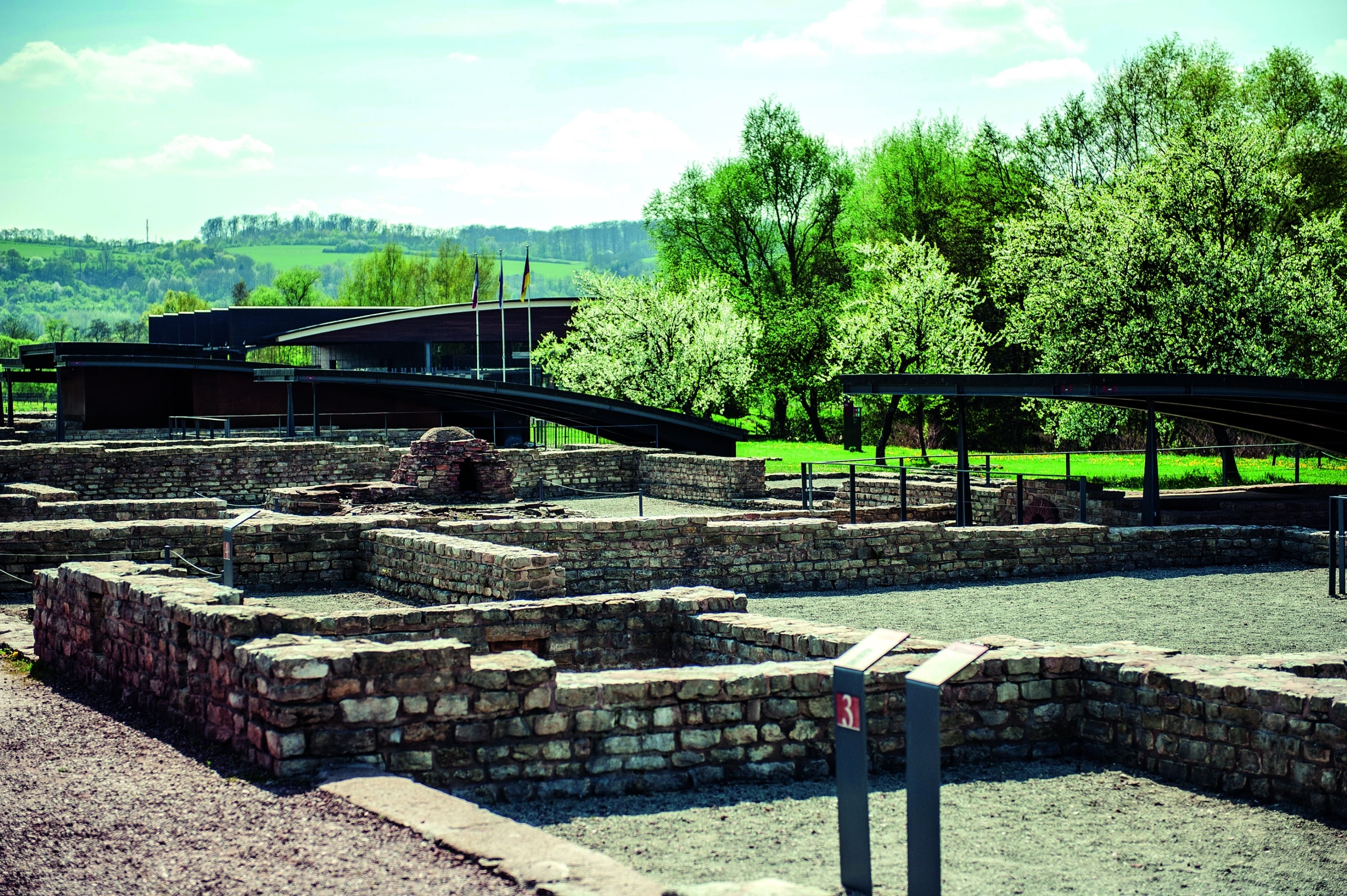
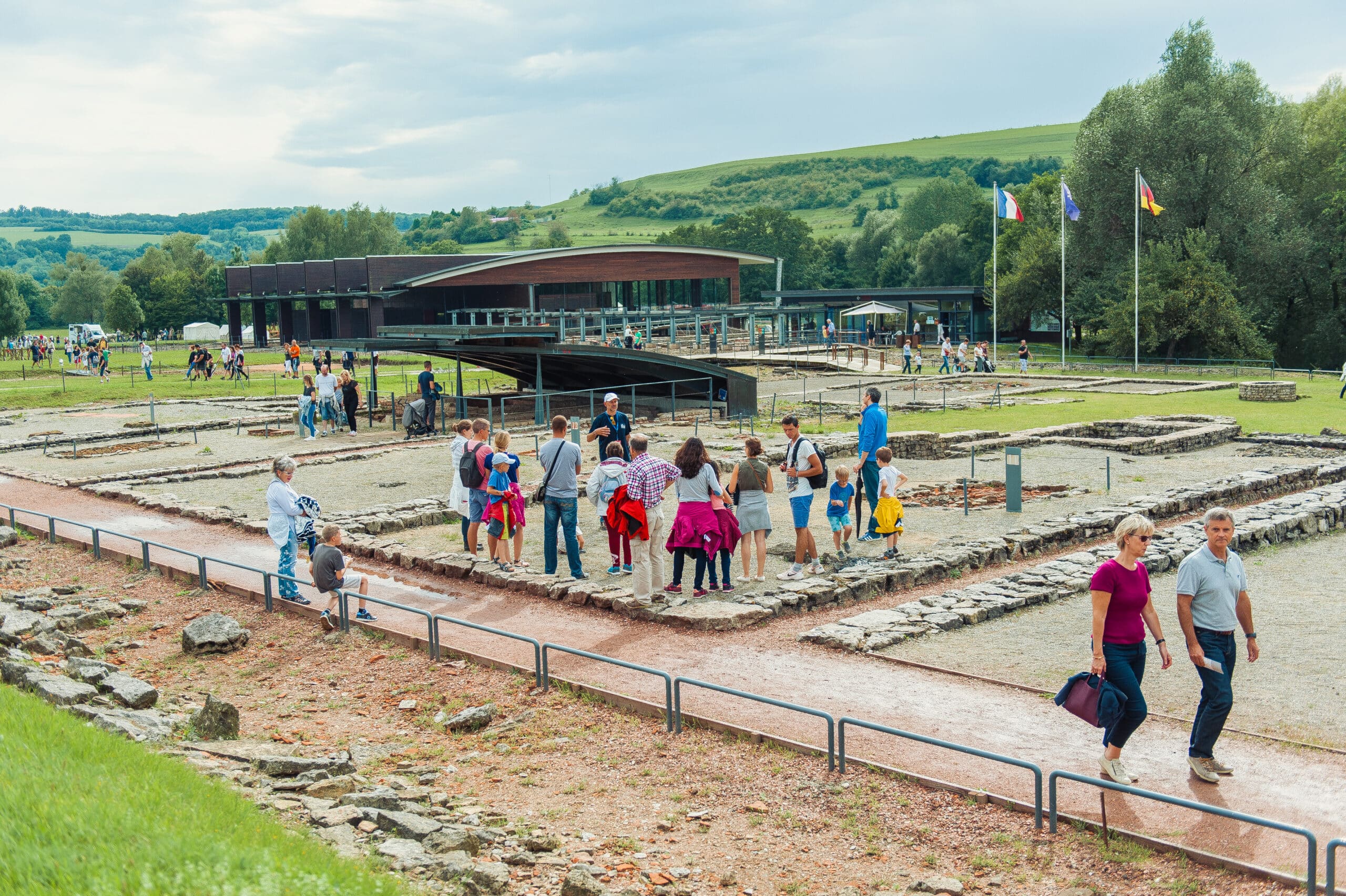
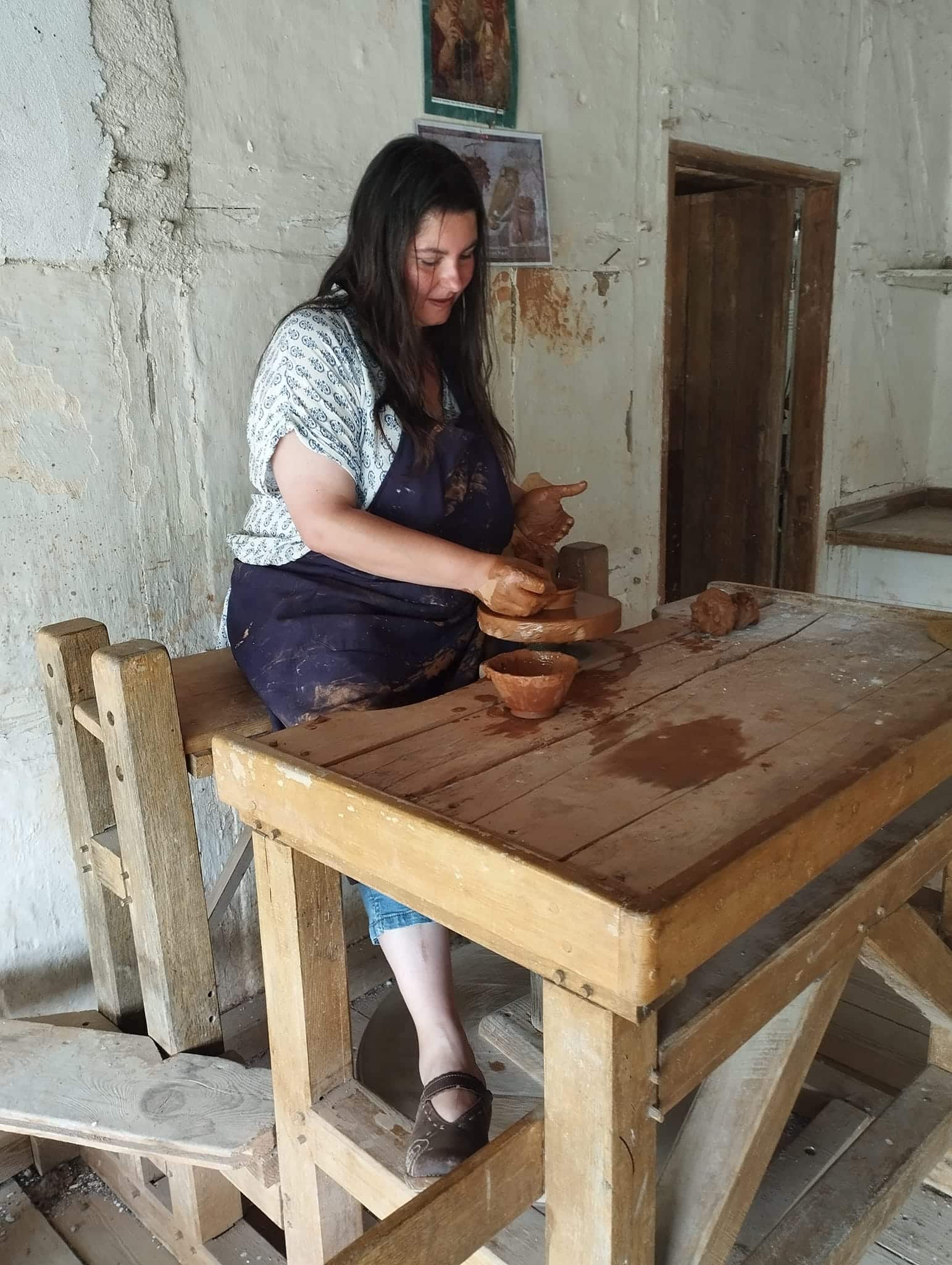
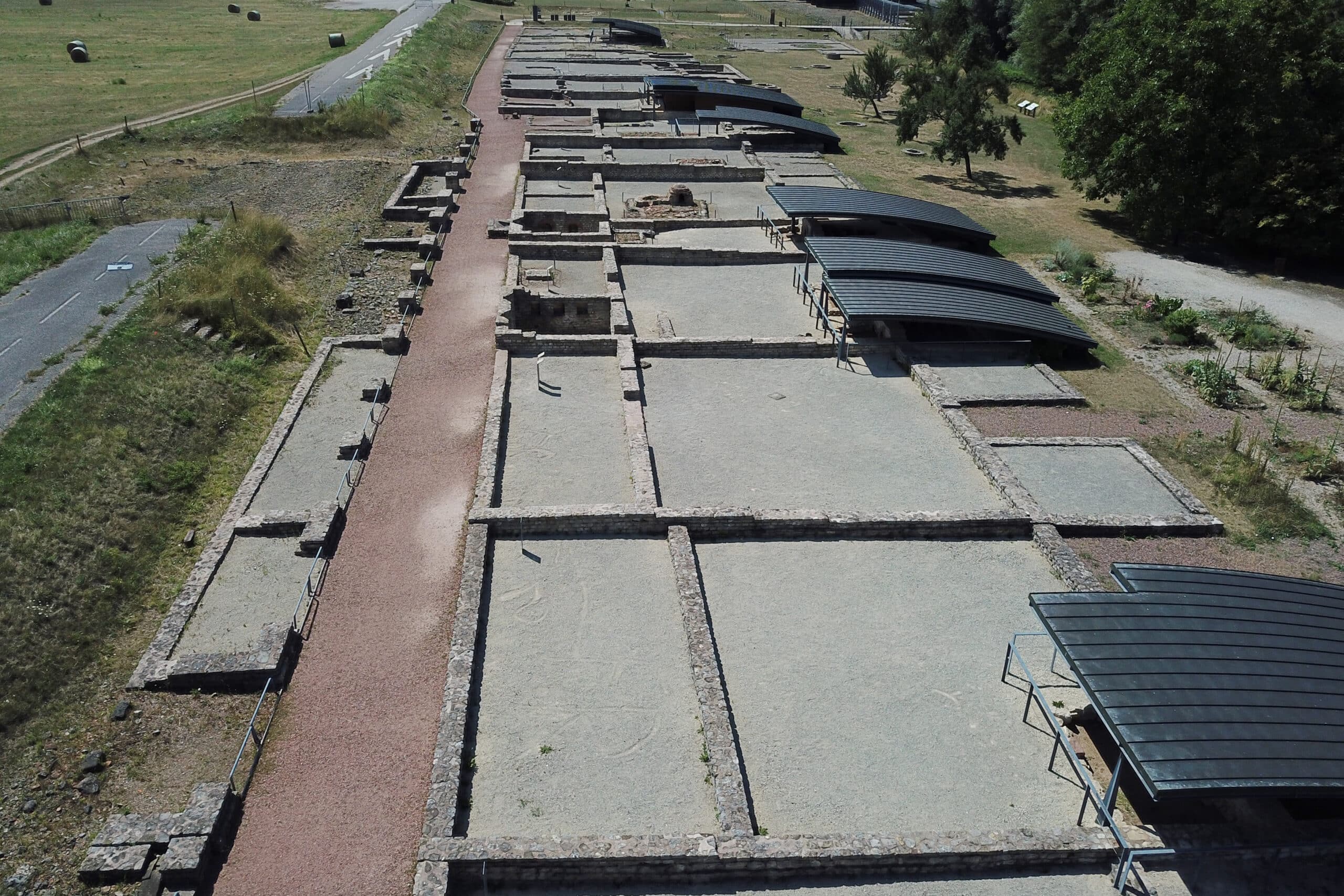
The vicus, a small Gallo-Roman town established on either side of the main Roman road, presents the remains of the houses of Roman artisan-traders (blacksmith, bronze worker, baker...) in its 3rd century AD state. J.C.
The Roman baths of Bliesbruck
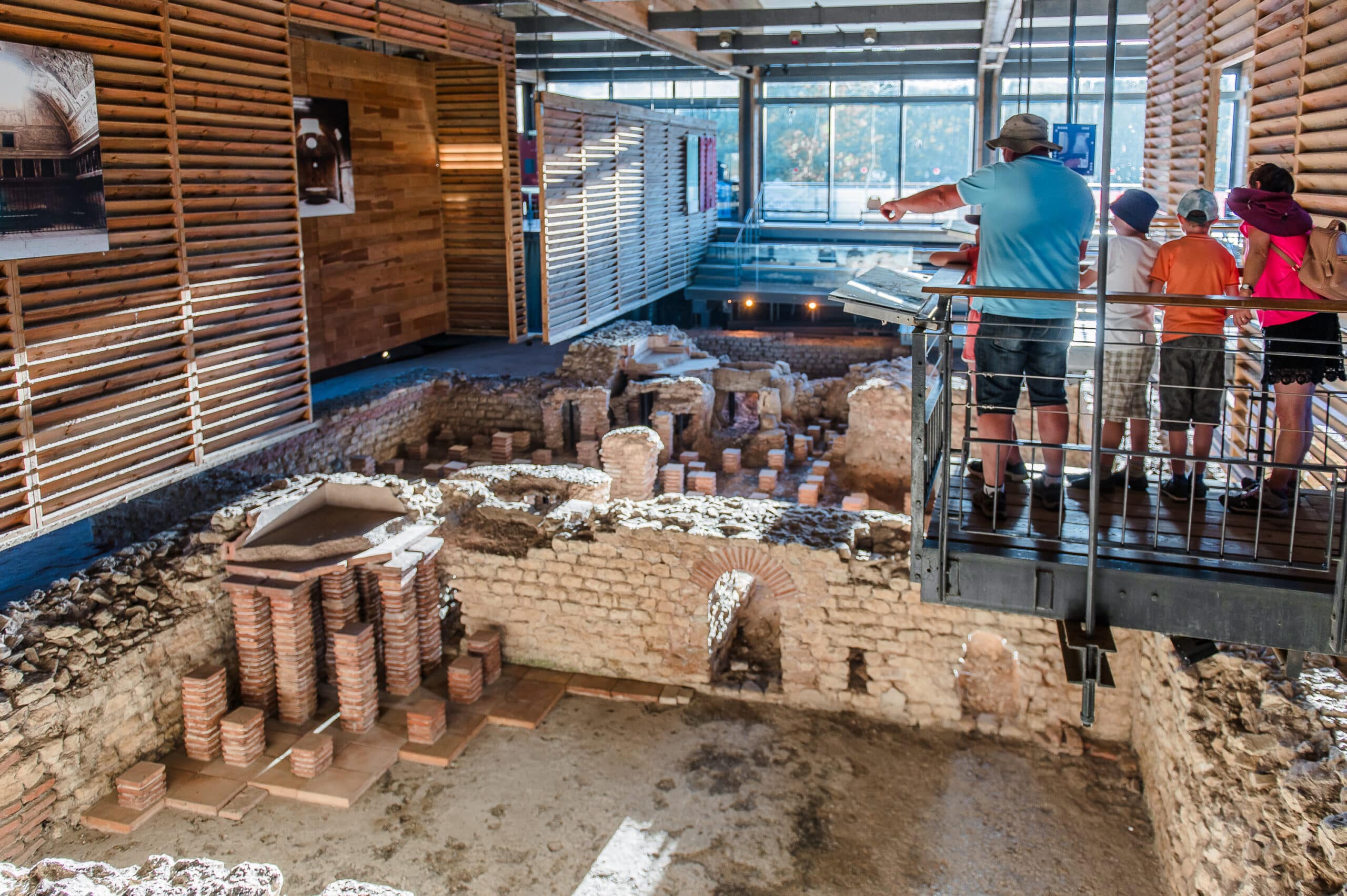
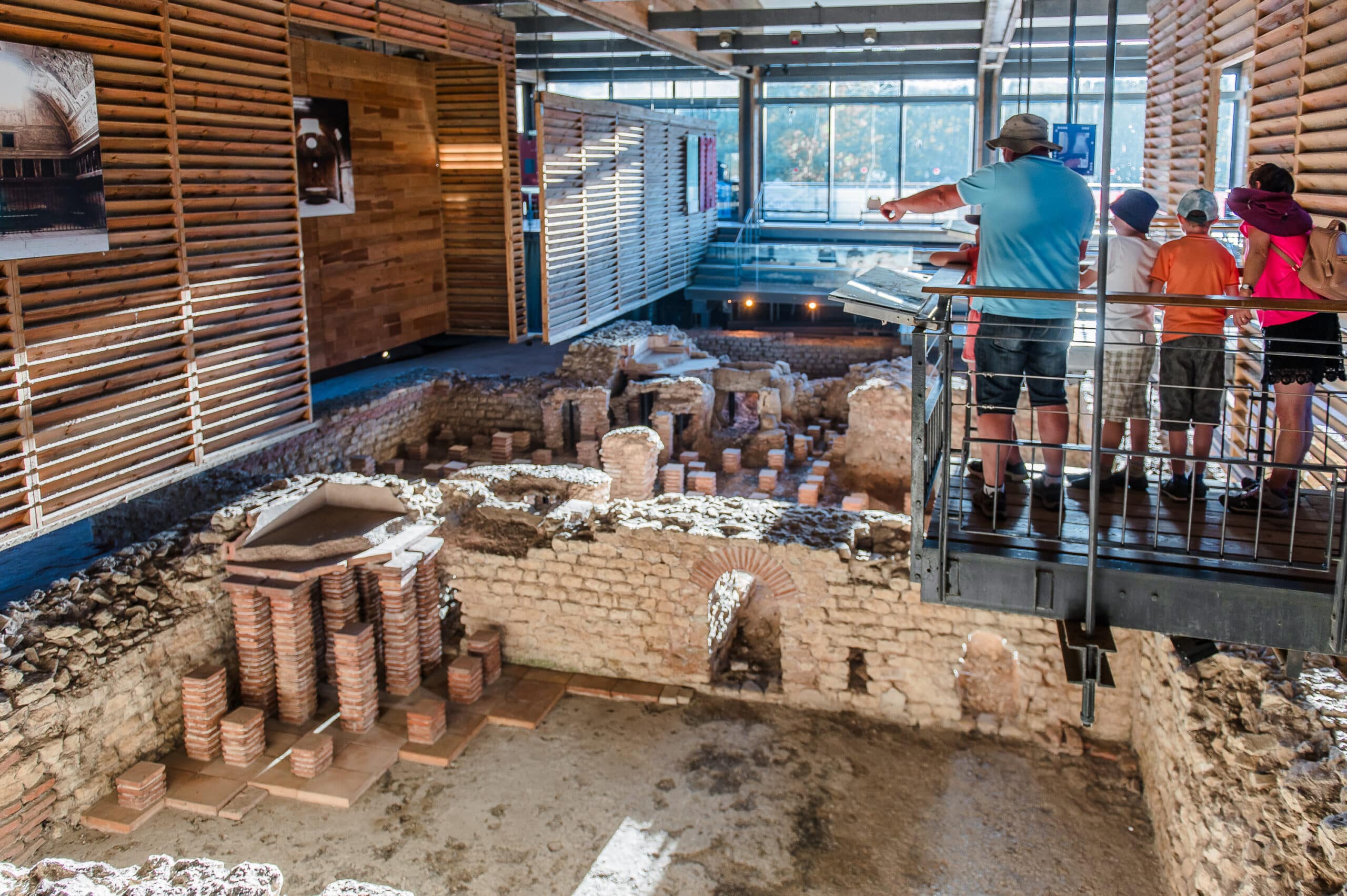
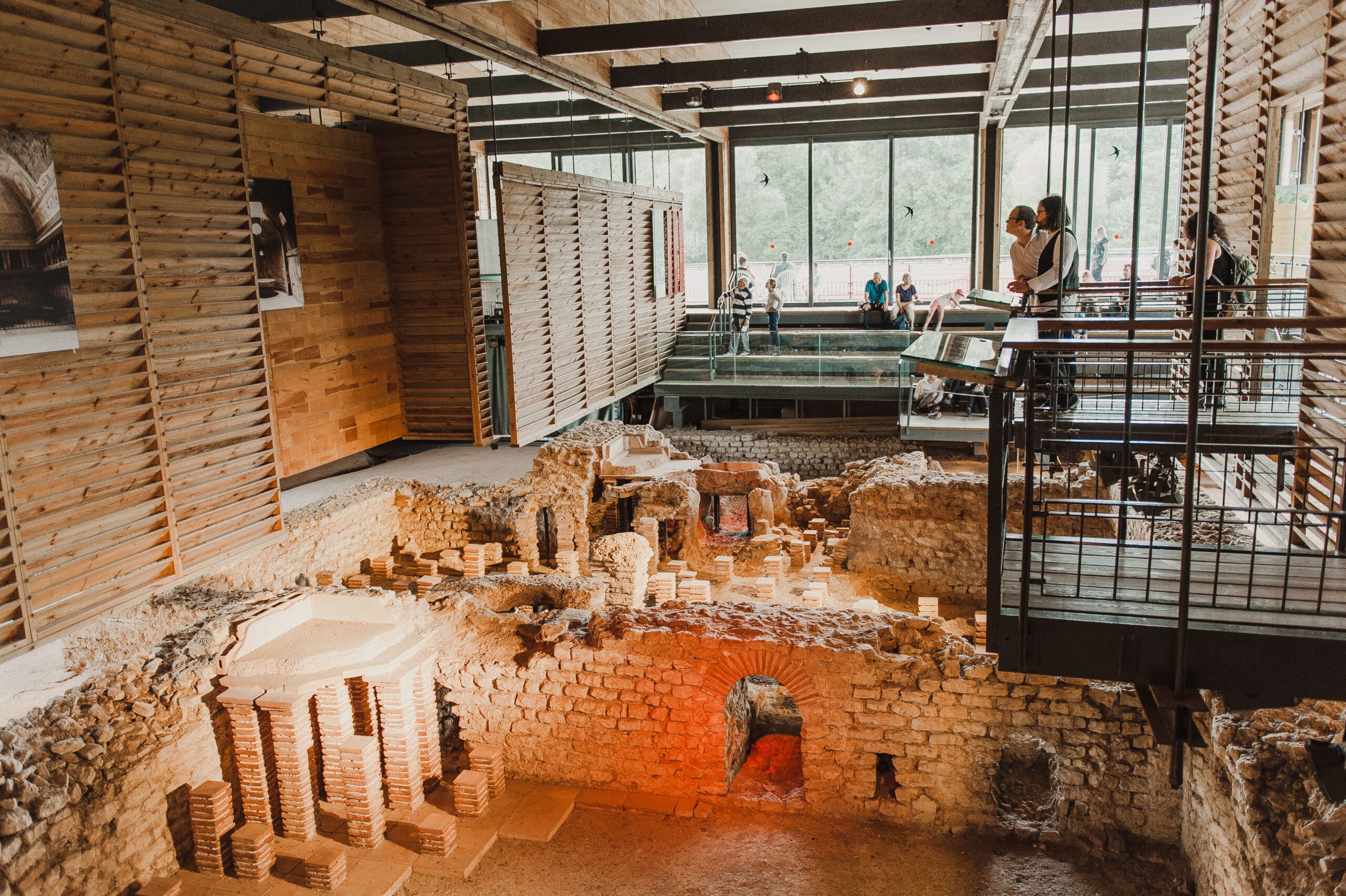
The public thermal baths built on the forum, in the heart of the Roman city, at the end of the 1st century AD. JC, are the best preserved remains of the Park. They illustrate the importance of hygiene and relaxation in Roman society. The operating system of hypocaust heating is presented there.
The great villa of Reinheim
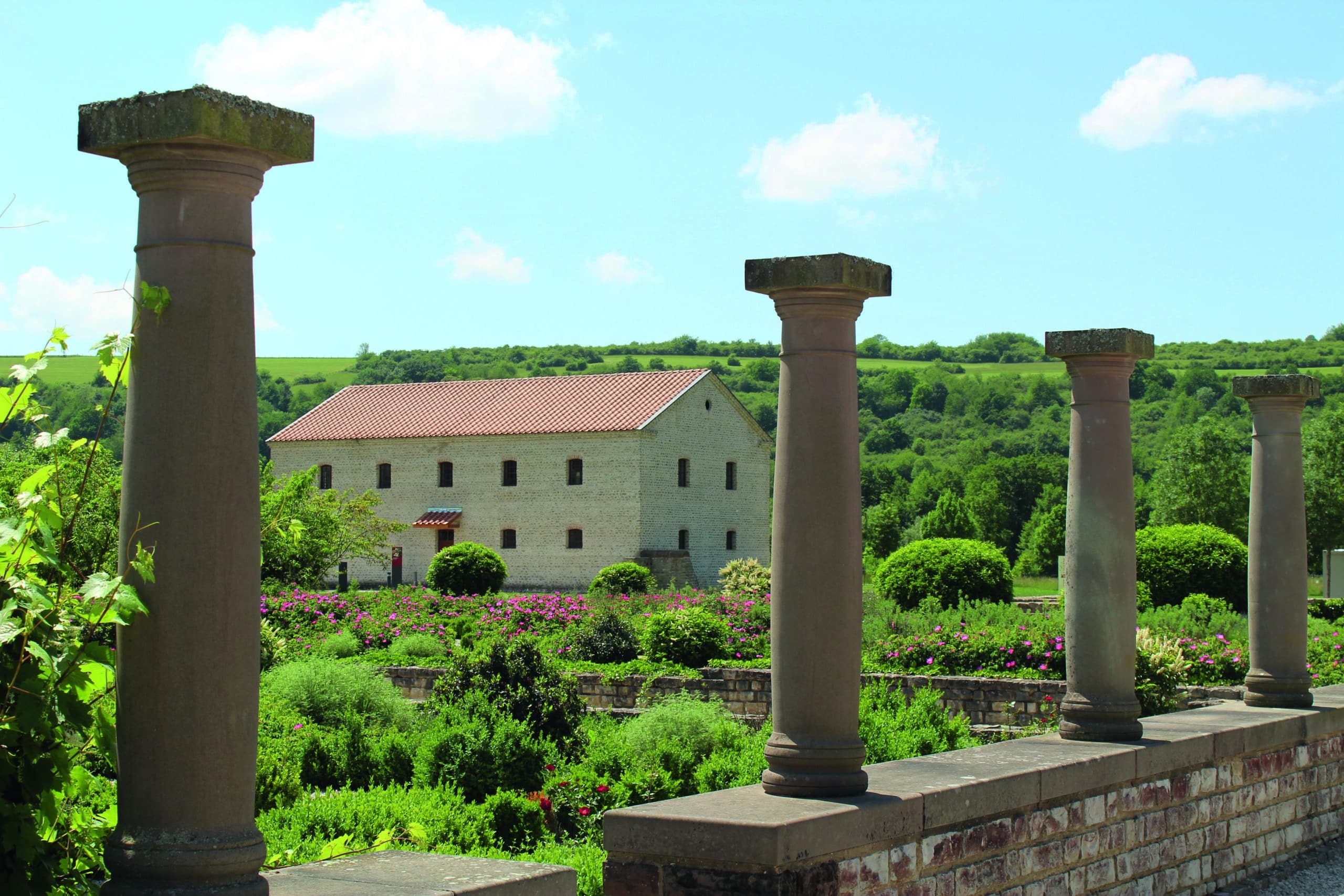
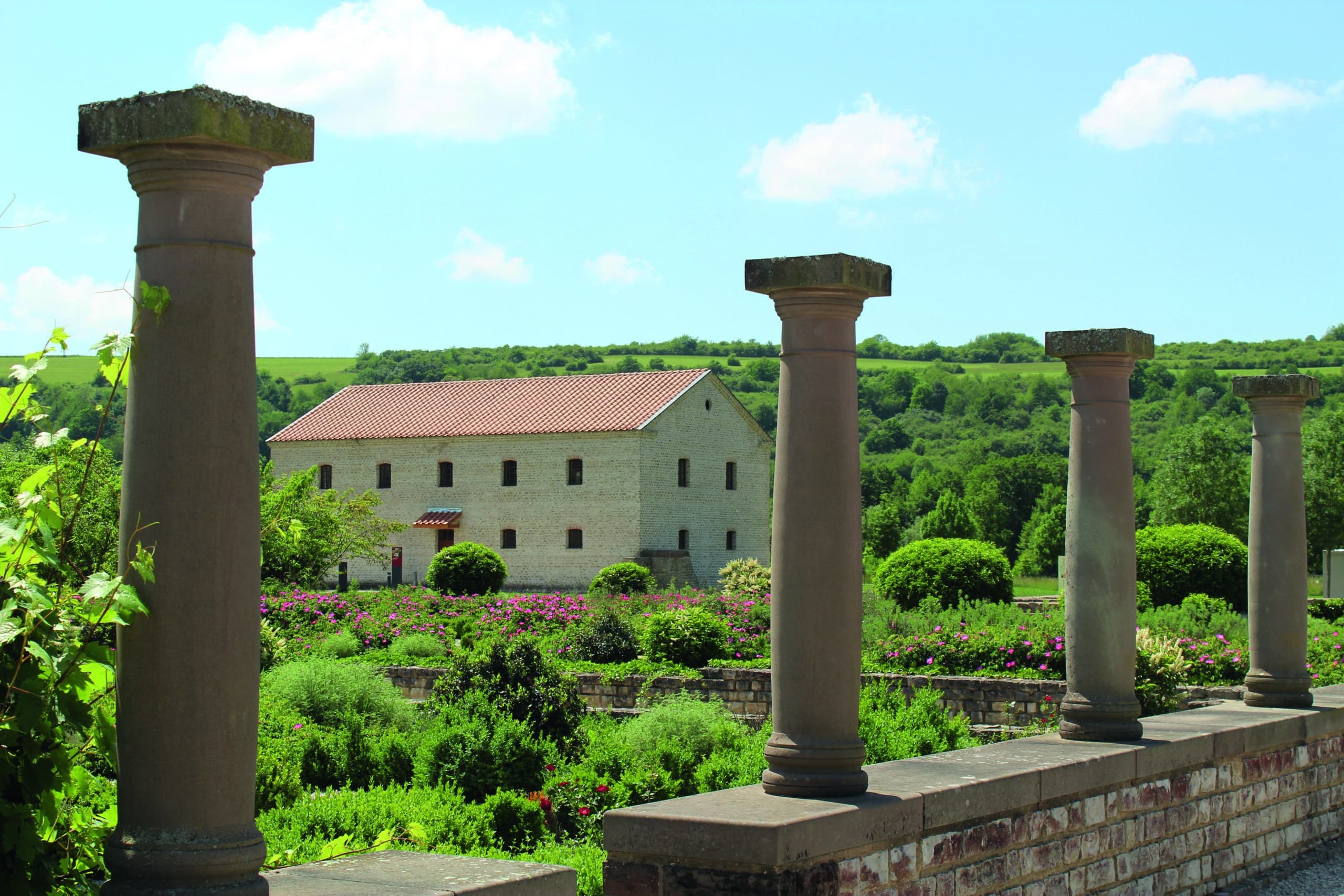
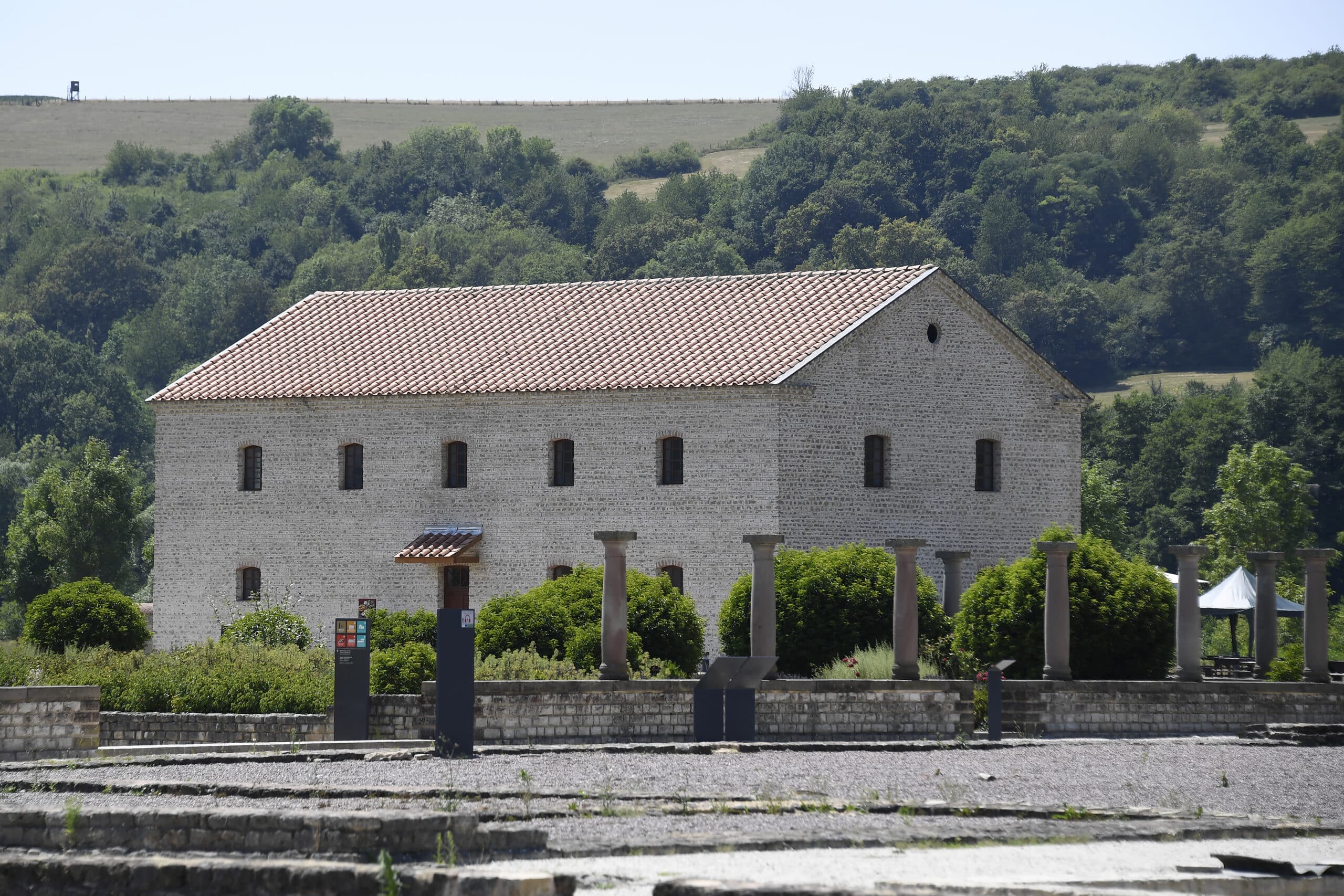
The large villa in Reinheim is an example of a vast agricultural estate, of a palatial type, which belonged to a rich landowner. It consists of a huge agricultural courtyard with its buildings reconstructed on scale 1 and a large residential part, which corresponds to the master's house.
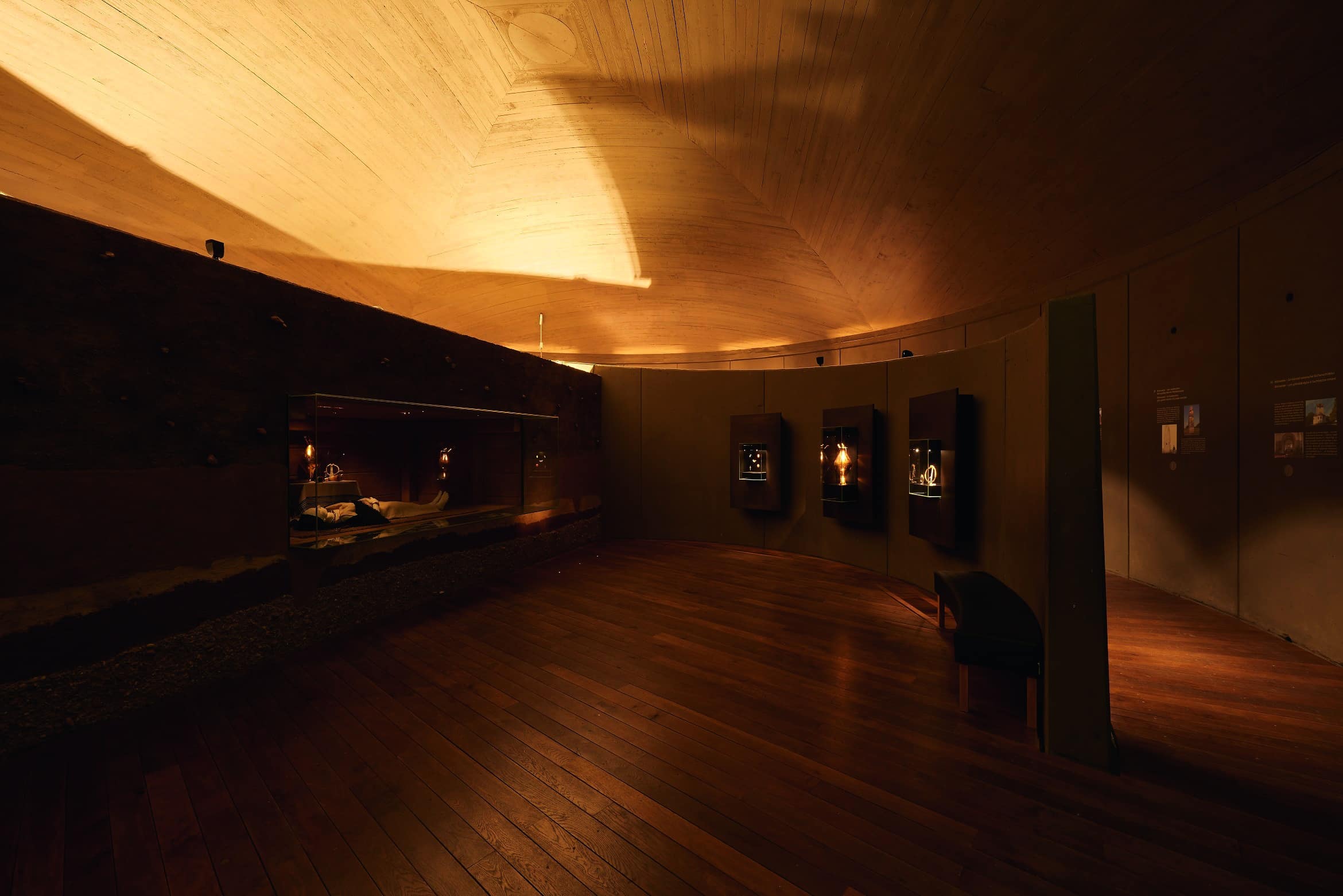
The tomb of the Princess of Reinheim
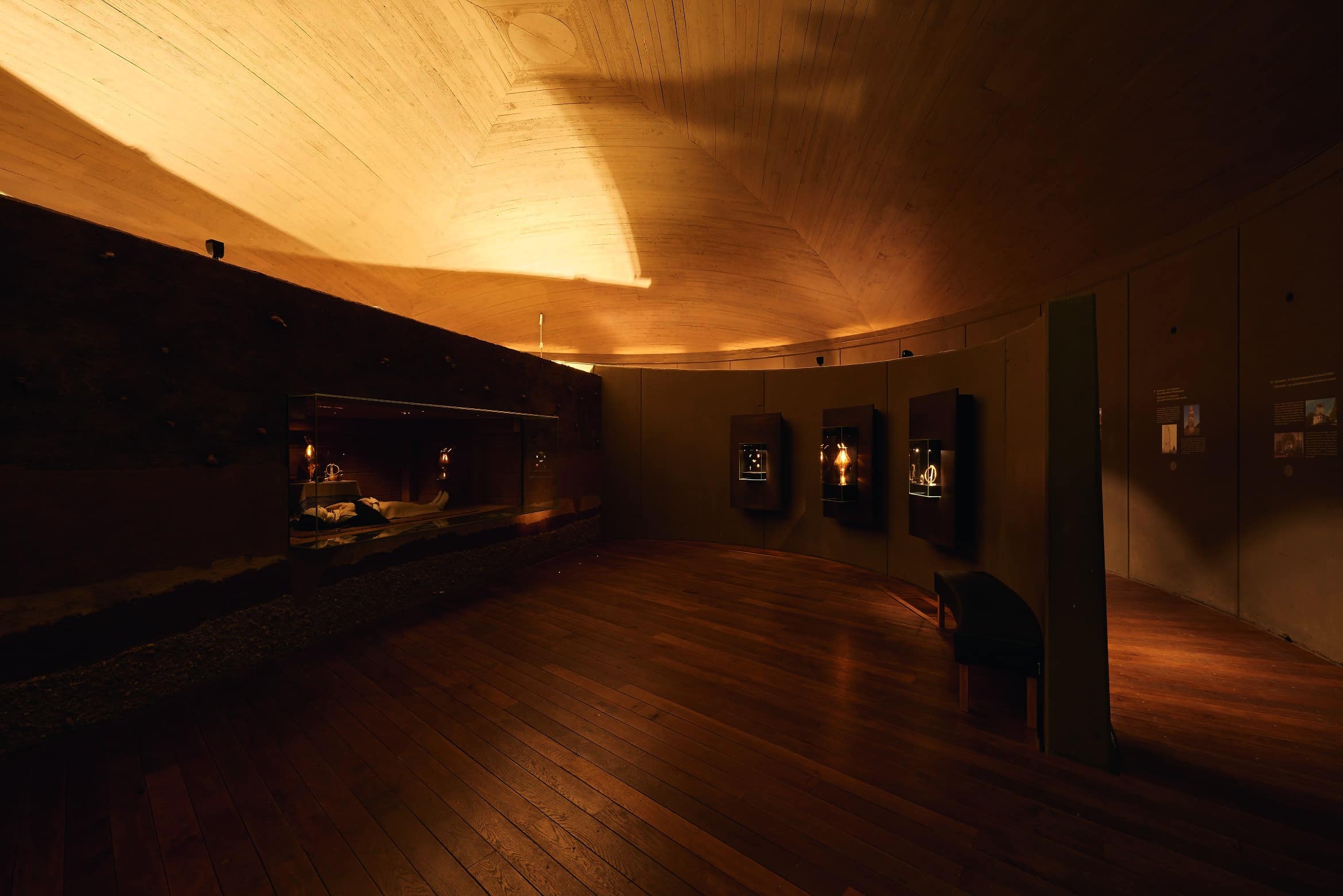
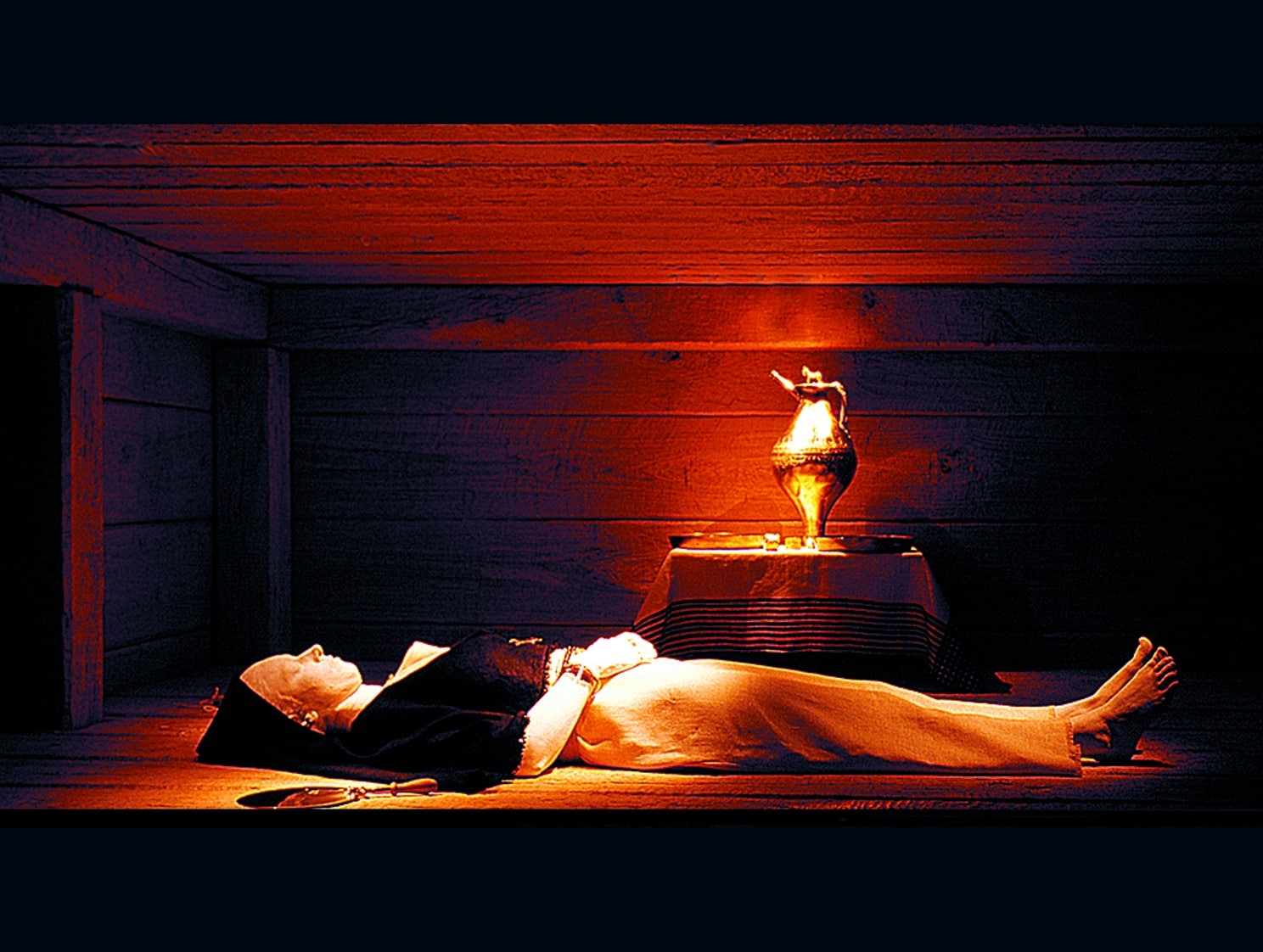
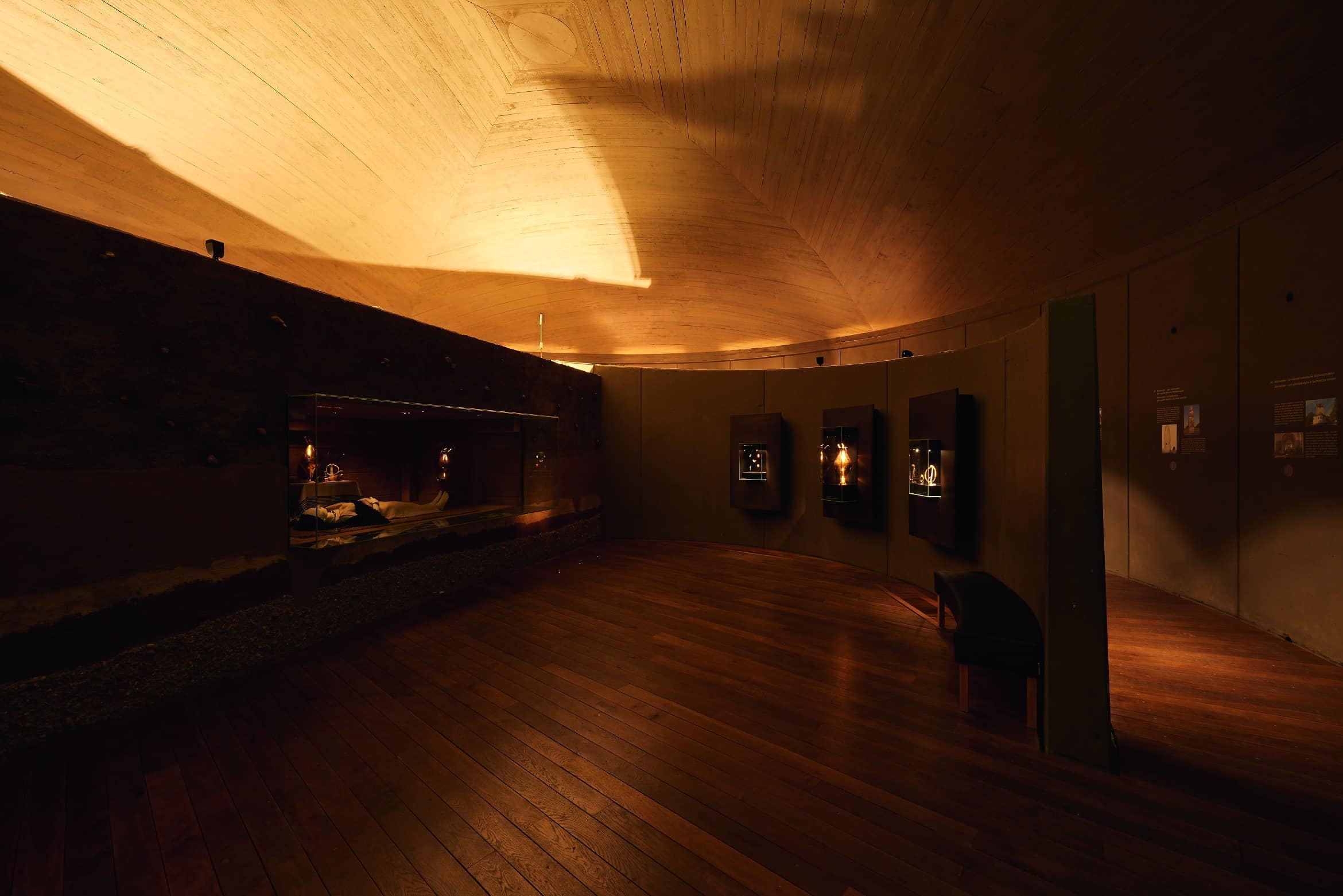
The tomb of the Princess of Reinheim is the real-scale reconstruction of a Celtic tomb, among the richest in Europe. The tomb, which the visitor enters, is reconstructed in the state in which this high-ranking woman was buried around 380 BC. J.C.
Permanent exhibition spaces
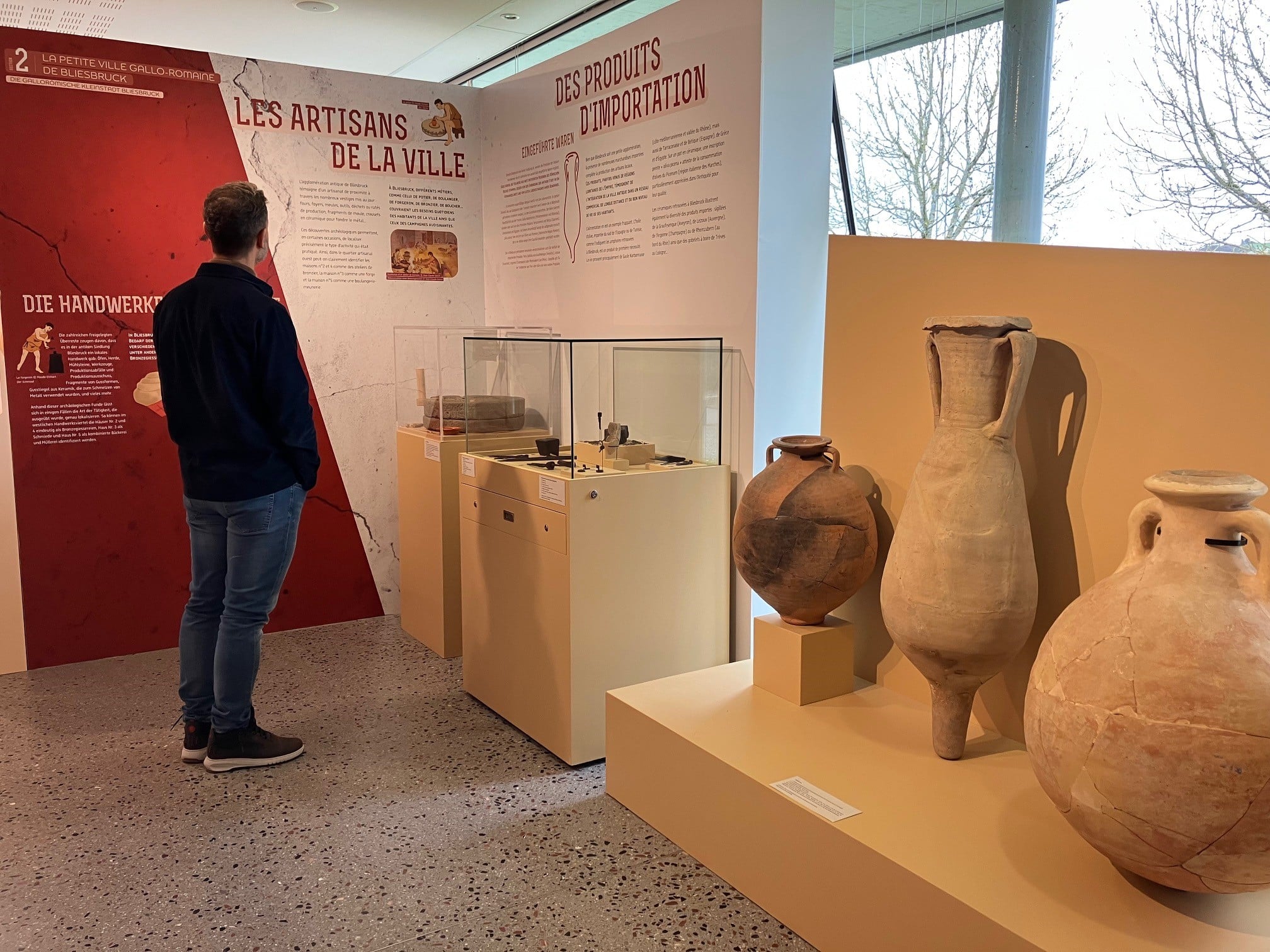
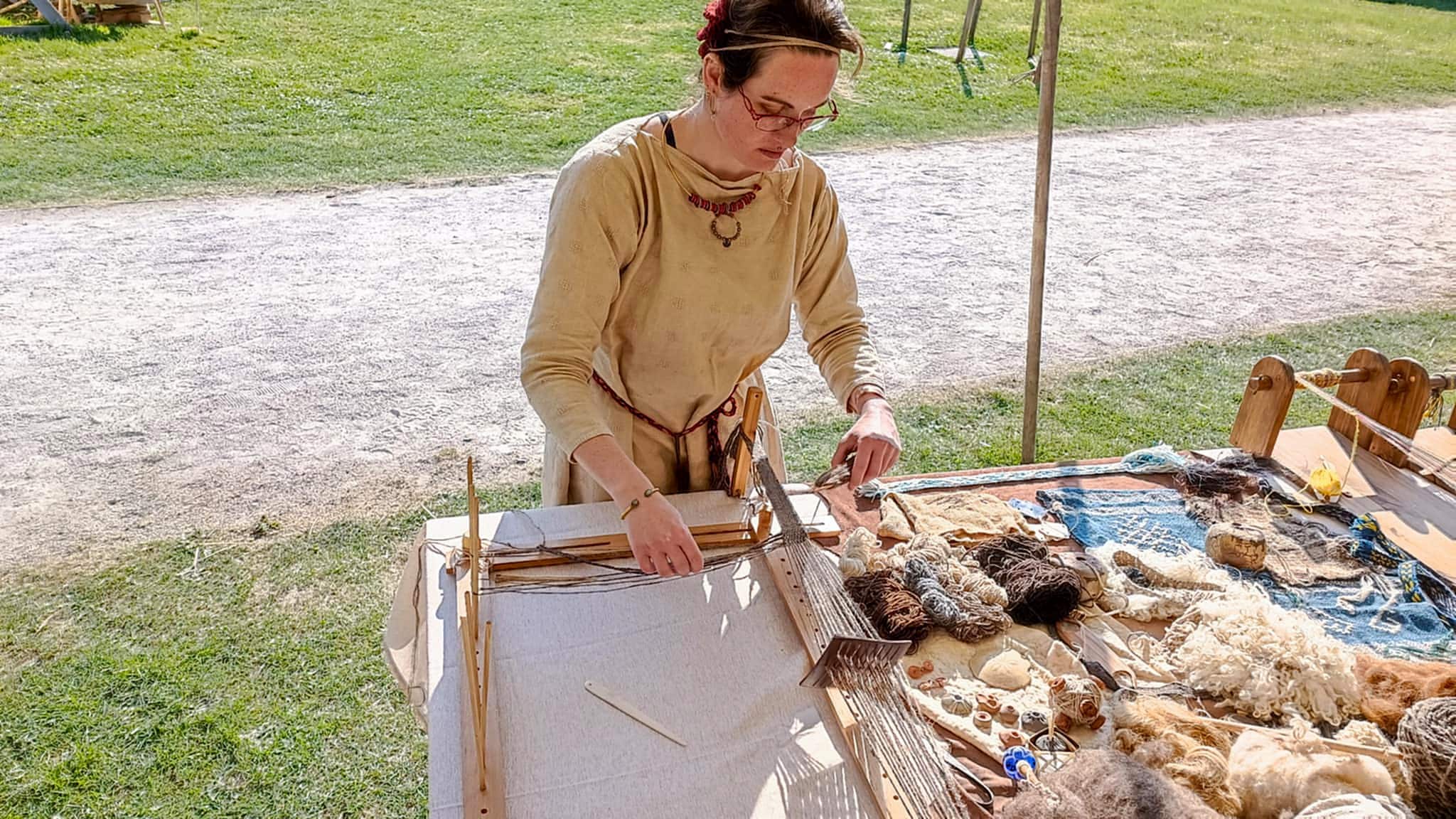
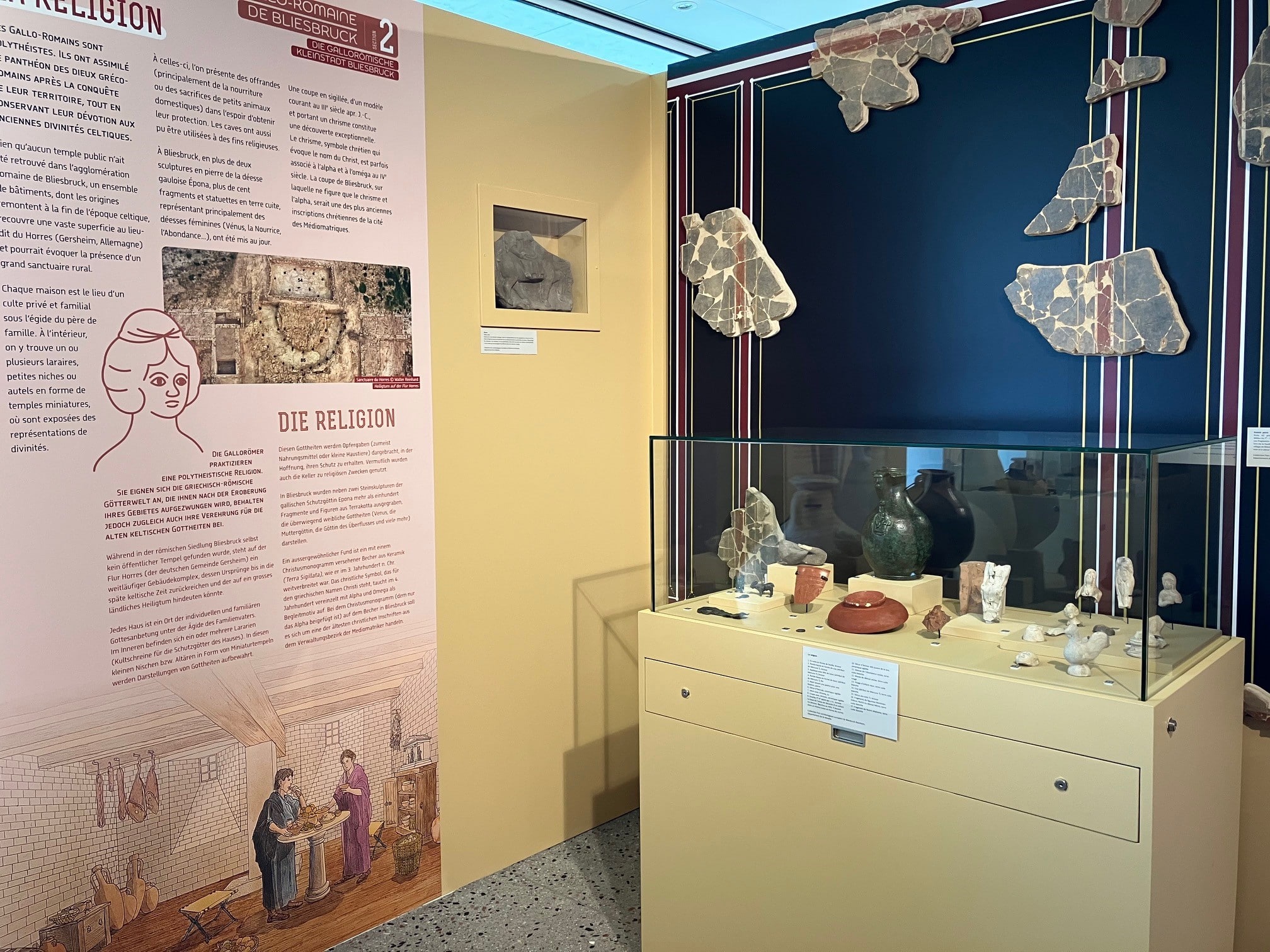
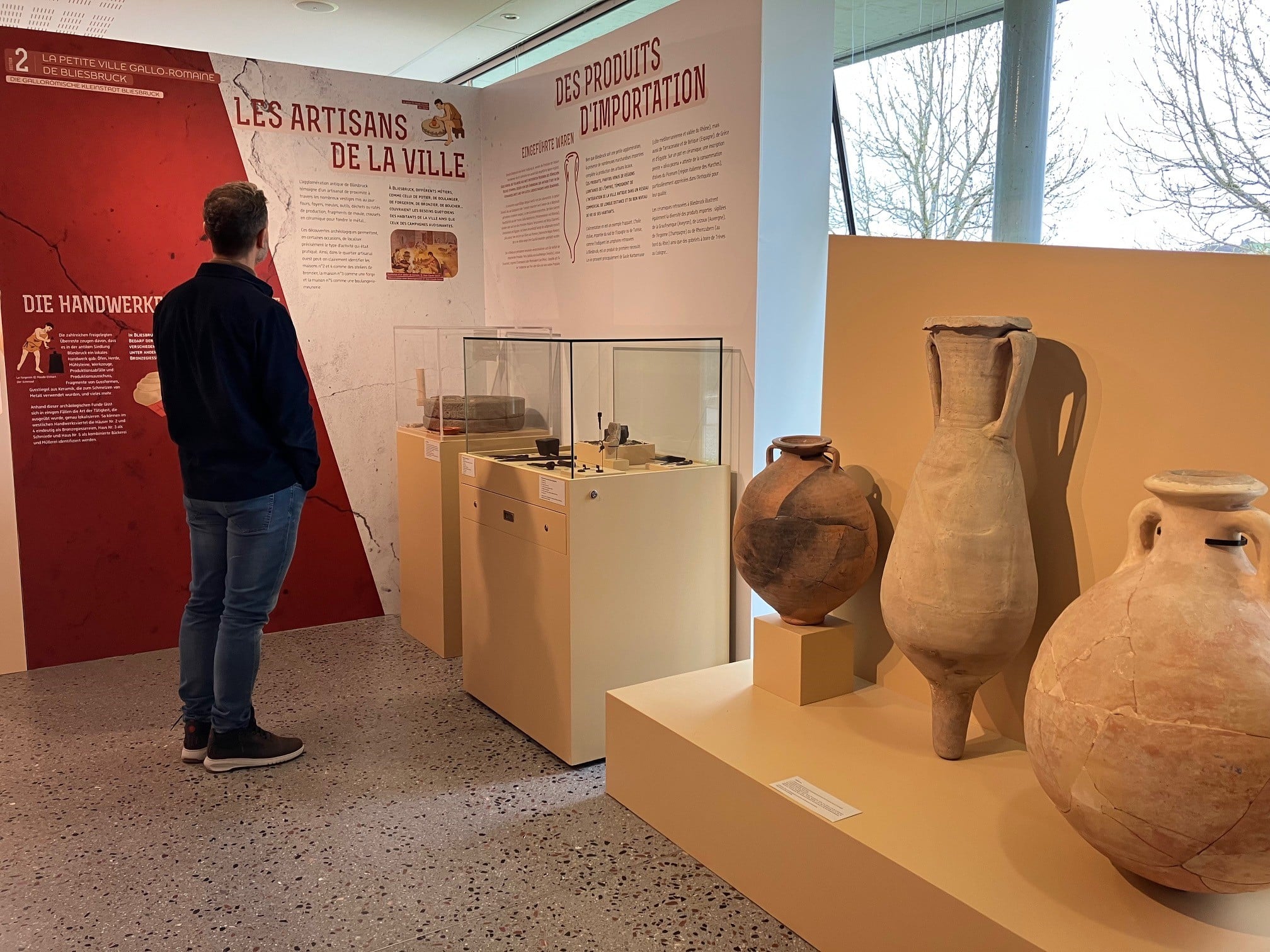
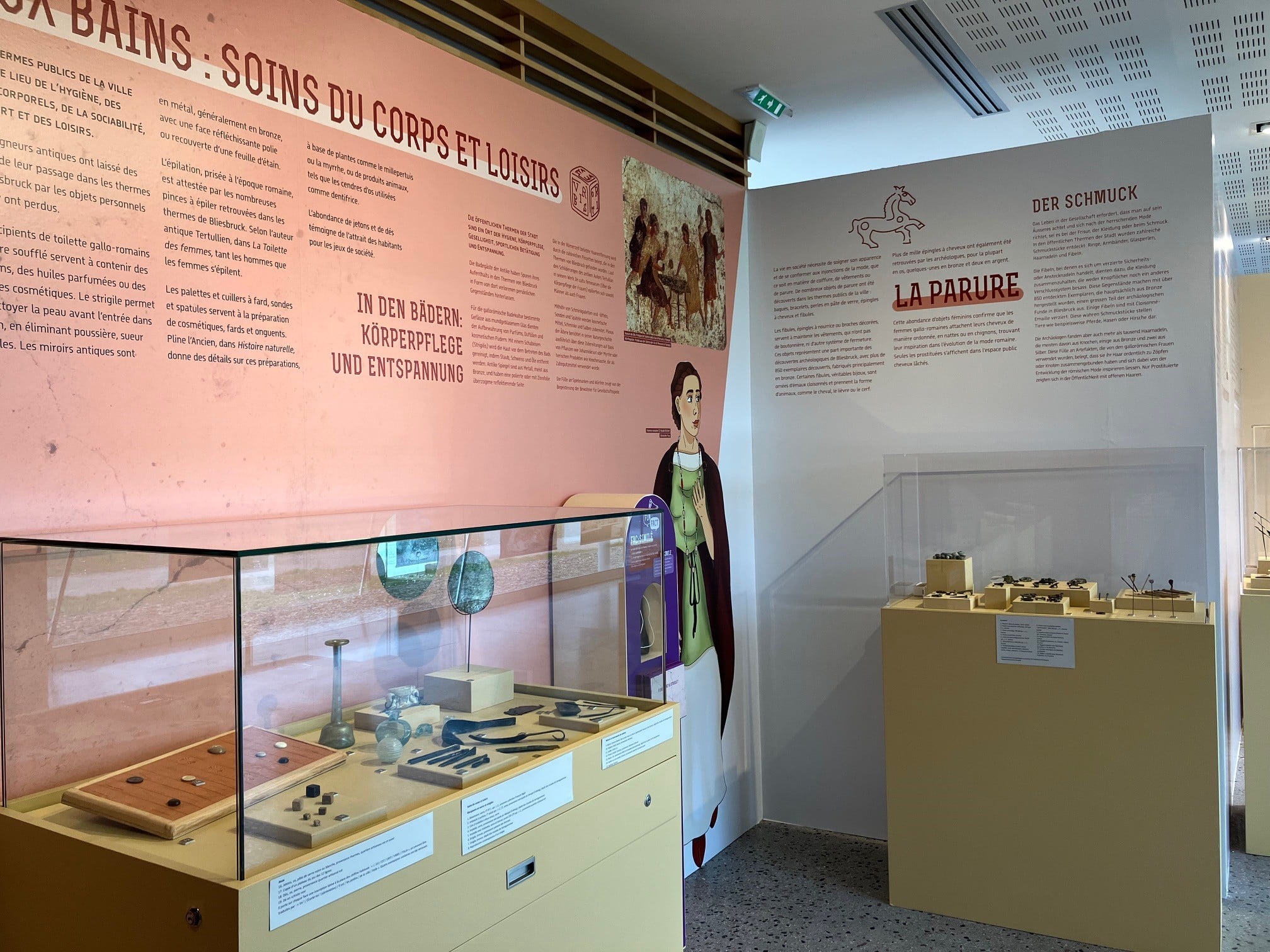
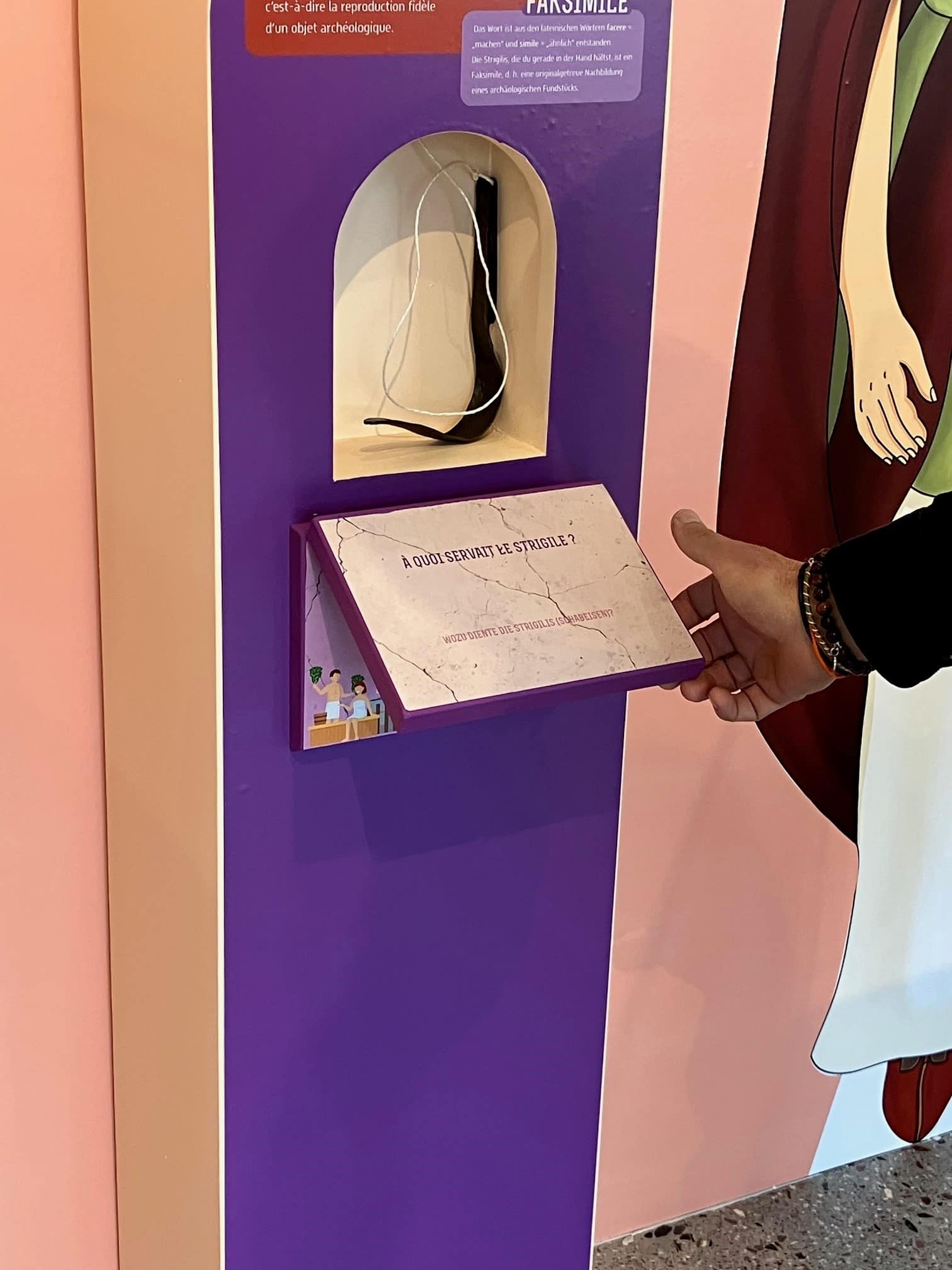
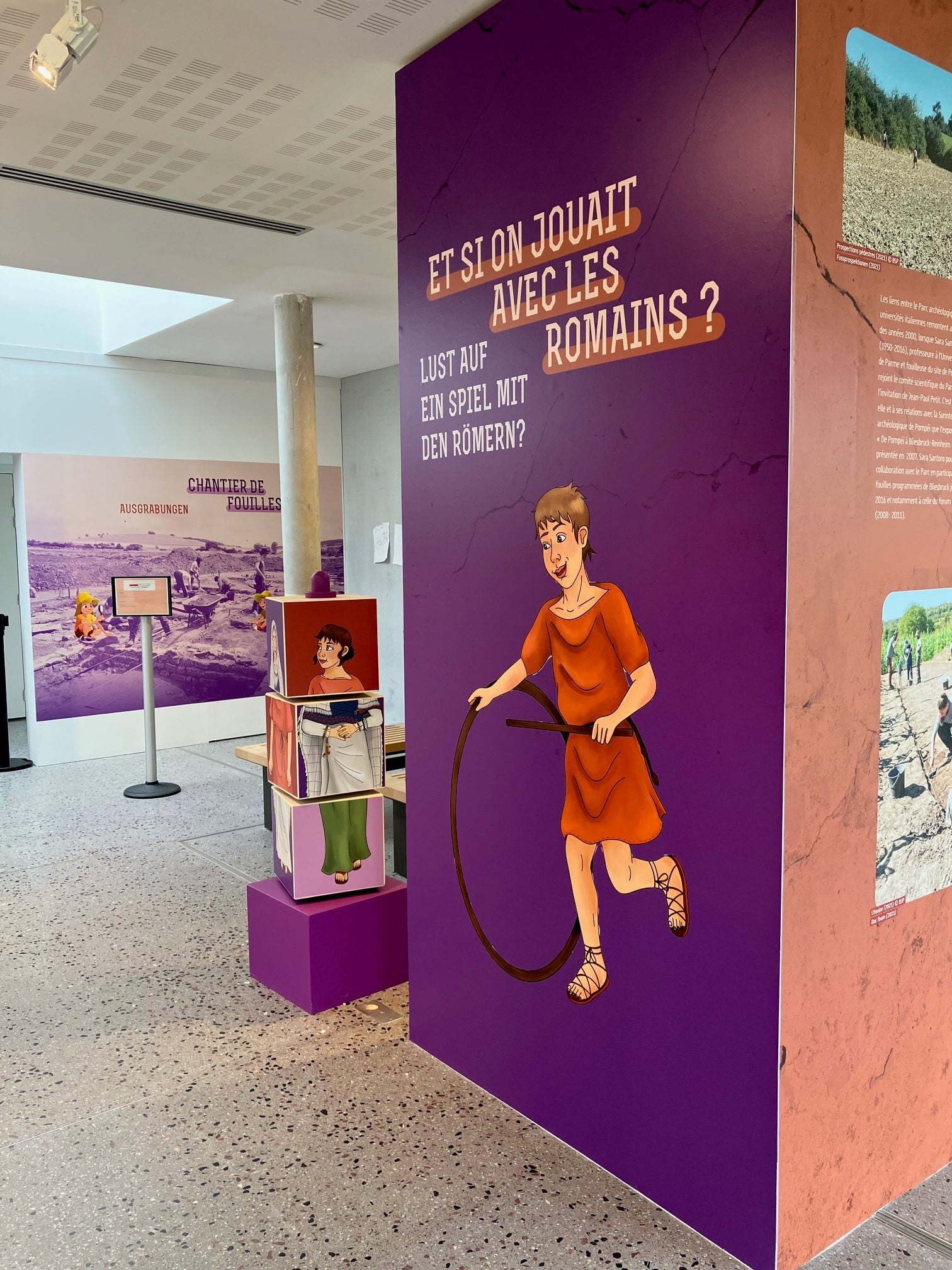
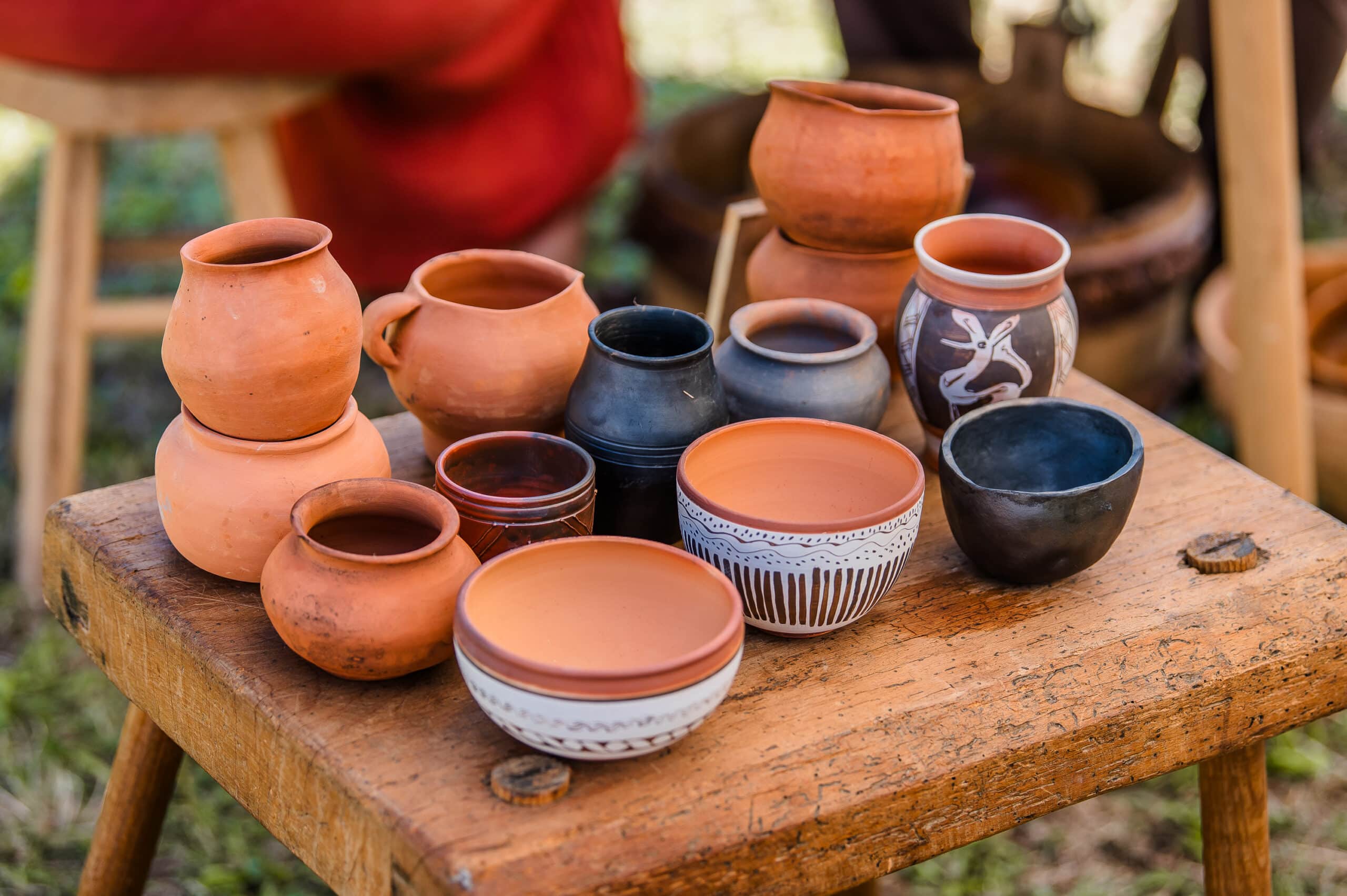
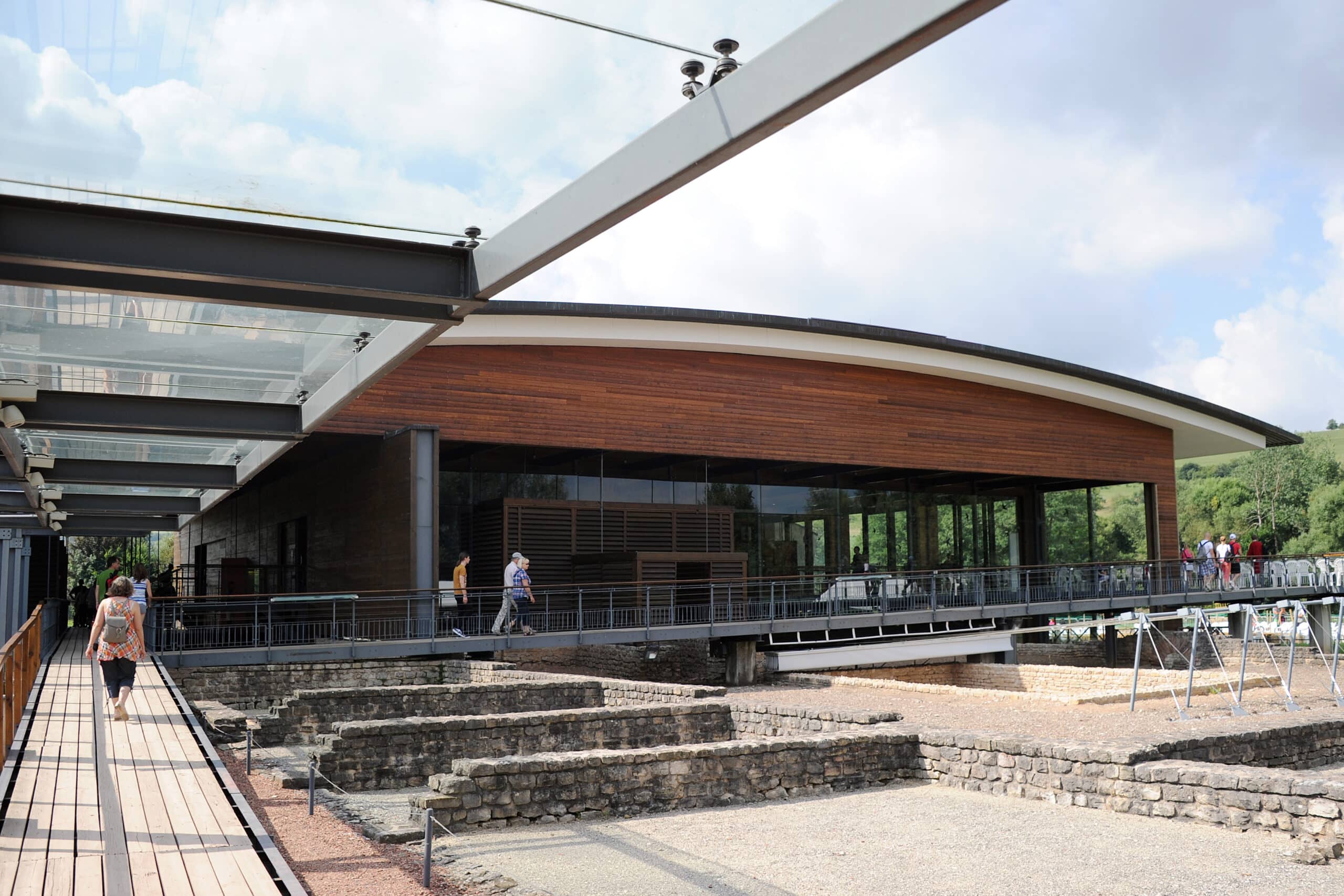
Several permanent exhibition spaces (Resource and Exhibition Center, building 6 of the villa and the Jean Schaub museum) present a selection of archaeological objects unearthed during excavations. The main themes relate to the tools and creations of Roman artisans, imported exotic products, the interior of the Roman house, buried treasures, toiletries and adornment objects, agricultural tools, monumental decorations and the history of excavations in the valley.
The first excavations
The first archaeological excavations took place in Reinheim between 1806 and 1809. The objects resulting from these excavations as well as subsequent discoveries from the 19th centurye century are today kept at the Palatinate Historical Museum in Speyer (Germany).
In February 1954, the accidental discovery of the tomb of the Princess of Reinheim propelled the site into the spotlight. The operator of the Reinheim sand pit reported to the Saar authorities that the bucket of an excavator had hit a bronze figurine – the handle of a mirror – which he left in place in the ground. The original objects unearthed, among the most beautiful pieces of Celtic art, are today on display at the Museum of Pre- and Protohistory in Saarbrücken, while a full-scale reconstruction of the tomb is presented on the site.
The impulse of Jean Schaub
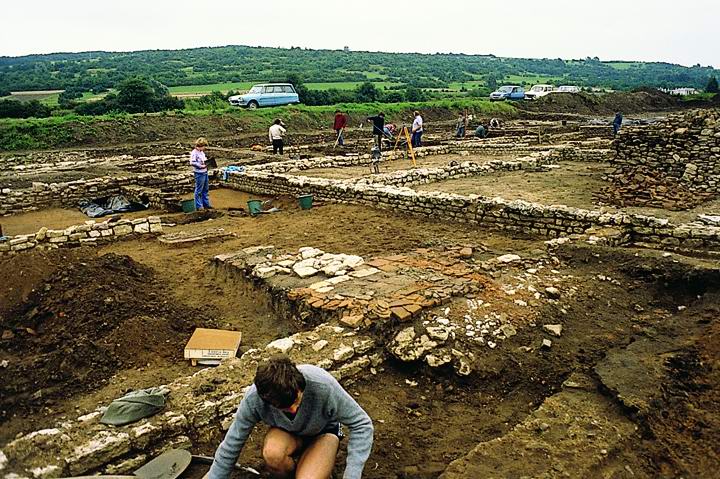
In 1971, Jean Schaub (1927-2000), entrepreneur in Sarreguemines and amateur archaeologist, discovered Gallo-Roman objects in earth from Bliesbruck. On site, he noticed that the exploitation of a sand pit destroyed the remains. He alerted the authorities and rescue searches were launched, first by the Sarreguemines museum team led by Marguerite Pax, then by Jean Schaub and his team.
From 1977, he invested fully in safeguarding the site. In 1979, he organized the first summer camp, bringing together around thirty volunteers from all over Europe. The cessation of destruction was gradually obtained thanks to the private purchase by Jean Schaub of the plots bordering the sand pit and, in 1983, the involvement of the General Council of Moselle, which in turn bought land, allowed recognition of public utility of the project.
Birth of the European Archaeological Park of Bliesbruck-Reinheim
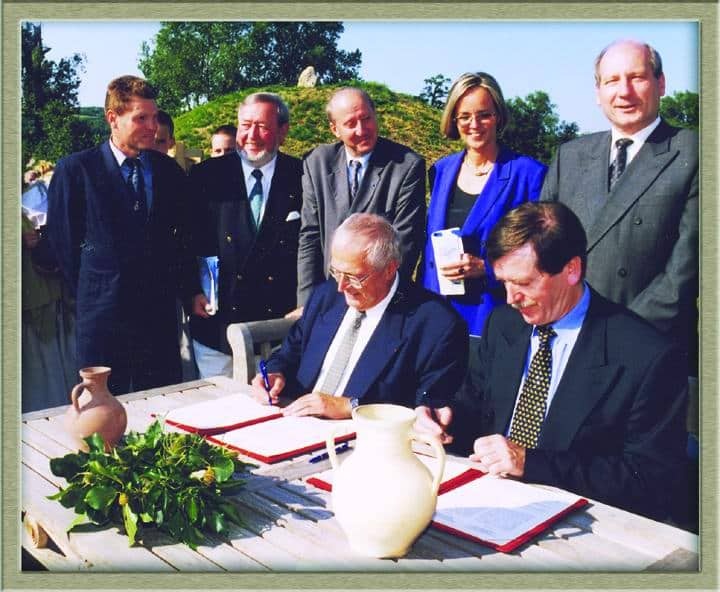
In 1989, the Bliesbruck-Reinheim European Archaeological Park, the result of a Franco-German partnership between the Department of Moselle and the Kreis of Saarpfalz, was created. Until 1995, large-scale archaeological campaigns were carried out under the direction of Schaub and Jean-Paul Petit: excavations of the western artisanal district (1981-1987), the thermal baths (1987-1993) and the eastern district (1989-1995).
Through his communicative dynamism, his tenacity and the network of cross-border friendships that he was able to create, Jean Schaub is the driving force behind the Bliesbruck-Reinheim European Archaeological Park.
Working with Italy
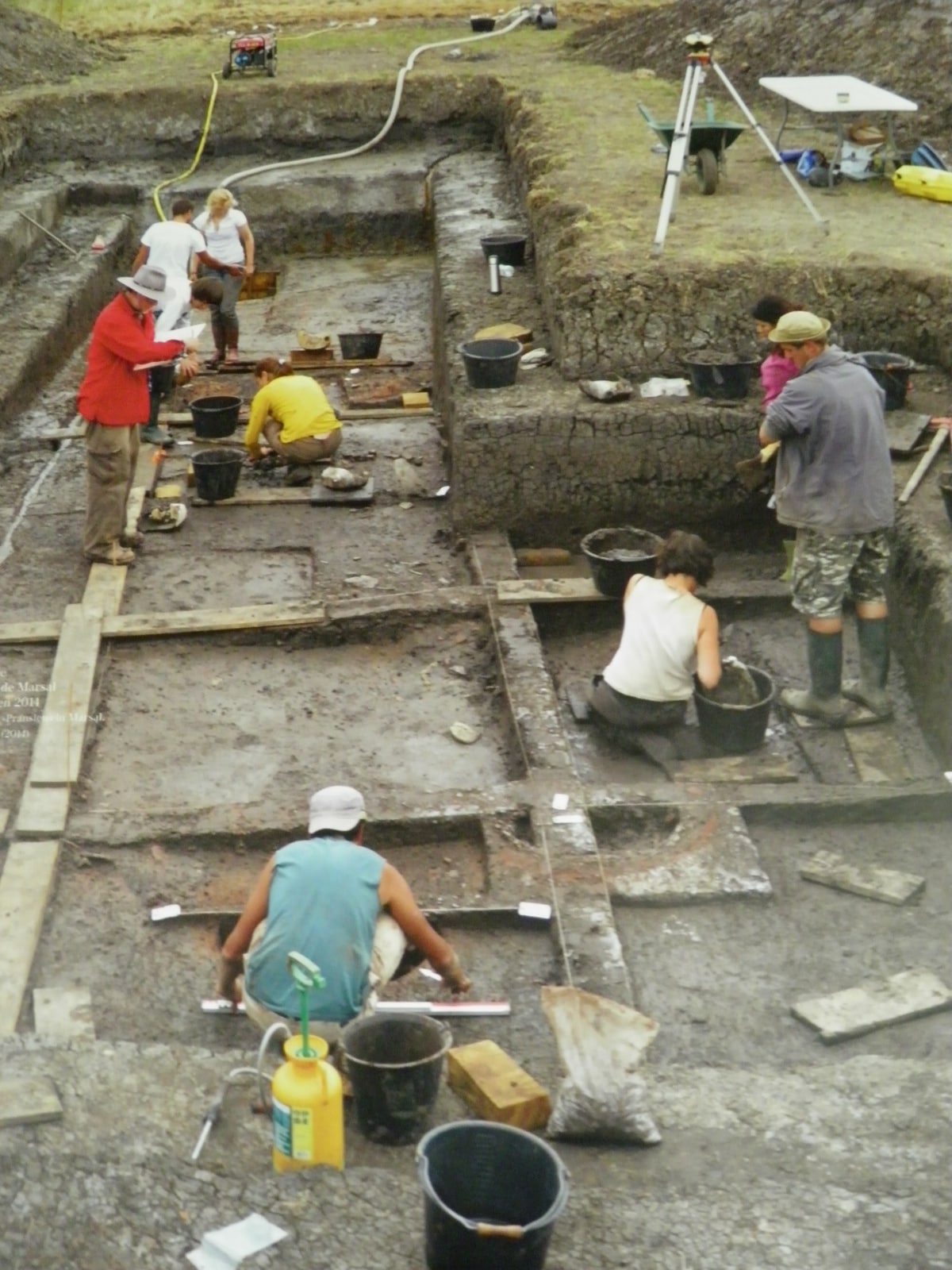
At the beginning of the 2000s, Sara Santoro (1950-2016), professor at the University of Parma and excavator at the Pompeii site, joined the Park's scientific committee. It is thanks to its relations with the Archaeological Superintendence of Pompeii that the major exhibition "From Pompeii to Bliesbruck-Reinheim" was presented in 2007. Sara Santoro continues her collaboration with the Park by participating in the planned excavations of Bliesbruck until 2016.
The Blies Survey Project
In 2018, the "Blies Survey Project" was launched in partnership between the Department of Moselle, the University of Chieti-Pescara (Abruzzo) and the Kreis of Saarpfalz. This diachronic research project aims to reconstruct the history of the environment around Bliesbruck-Reinheim, from Prehistory to the end of the Middle Ages.
In pictures

Full price 5€
Reduced price 3.50€
Free :- 16 years old and people with reduced mobility and their companions.
March 15 to October 31
Monday to Friday: 10 a.m. to 5 p.m
Weekends & public holidays: 10 a.m. to 6 p.m
(Closed May 1)